あらすじ
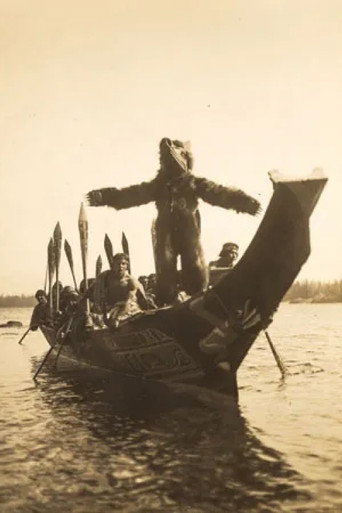
This edition has been fully restored with modern typesetting, custom cover design. In the preface to "Primitive Art," Franz Boas, a leading anthropologist, challenges the notion of a distinct "primitive mind," emphasizing that all human beings share similar mental processes. Boas argues that cultural phenomena should be understood as historical developments shaped by environmental contexts, rather than through a lens of superiority or inferiority. He critiques the scientific ideal of pure logic, illustrating how emotional biases and social taboos are present in both primitive and civilized societies. By drawing parallels between primitive beliefs and modern superstitions, Boas invites readers to reconsider assumptions of intellectual superiority, highlighting the consistent emotional foundations of human thought across cultures. Boas further critiques the oversimplified view of unilinear cultural evolution, advocating for a nuanced understanding of cultural dynamics. Cultures, he posits, are historical entities influenced by social and geographical contexts, and their traits are constantly evolving. This perspective is crucial in analyzing art, where the integration of various cultural elements enhances value. Boas explores how human activities embody aesthetic values, emphasizing that beauty emerges when technique and form achieve certain standards. He argues that the emotional impact of art is a blend of form, technique, and cultural significance, enriched by the meanings and associations carried by art forms. The text delves into the origins of decorative art, with scholars like Emil Stephan and Alfred C. Haddon exploring the unconscious processes and technical contributions to artistic development. The analysis of Kwakiutl and Haida artistic representations, such as hawks and dragonflies, and the depiction of killer-whales and bears in Kwakiutl and Tlingit cultures, underscores the intricate relationship between art, symbolism, and cultural identity. These detailed descriptions highlight the cultural significance and artistic techniques of Indigenous peoples, showcasing their rich heritage and the dynamic interplay between art and cultural context.