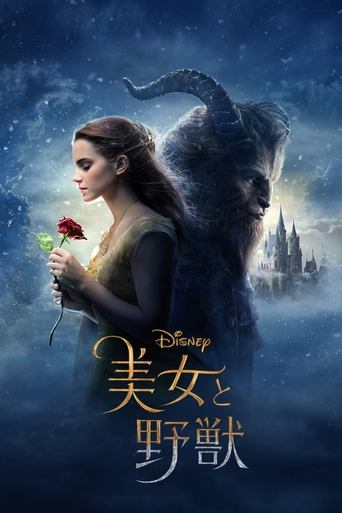
あらすじ
A beautiful daughter dreams of meeting a handsome prince, but in order to save her father's life, she leaves home to live with a terrible, frightening beast. Though her patron is hideous, his disarming generosity slowly leads to a surprising connection. Generations of children have been fascinated by the story of the girl named Beauty, who grows to love a fearsome beast by learning to see and cherish his kindness, generosity, and intelligence.Jeanne Marie Leprince de Beaumont was a French novelist and of Beauty and the Beast and Other Classic French Fairy Tales. Her first work, the moralistic novel The Triumph of Truth (Le Triomphe de la Vérité) was published in 1748. She continued her literary career by publishing many school books and collections she called "magazines" of educational and moral stories and poems for children. She was one of the first to write fairy tales for children. J., The Great Fairy Tale Tradition: From Straparola and Basile to the Brothers Grimm with many others based on traditional fairy tale themes.Another well-known storyteller of the era, Gabrielle-Suzanne de Villeneuve, wrote a story titled Beauty and the Beast. Le Prince de Beaumont considerably revised and abridged this story, and always included the revised version in the many "magazines" she published over the next 30 years. The success of this shorter revised version is why Le Prince de Beaumont is commonly deemed the author of the classic story.
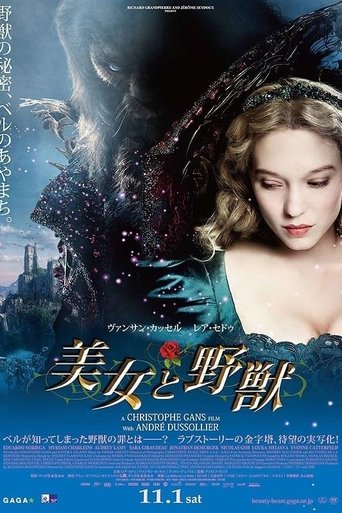
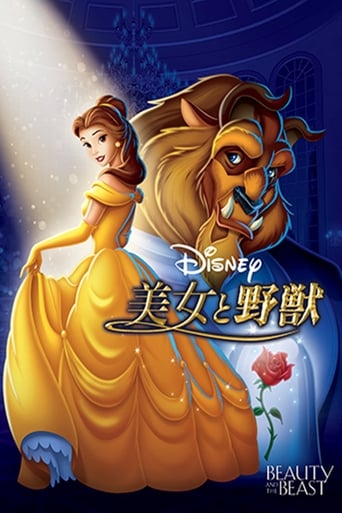
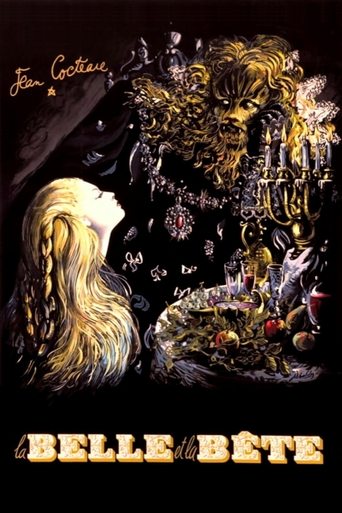
映画・ドラマ版との違い・考察
ボーモン夫人が綴ったこの名作は、外見という表層を超え、相手の知性と誠実さを見抜く「慧眼」を読者に問いかけます。野獣の孤独な内面に触れ、美女の心が静かに変容していく過程こそが本作の文学的真髄です。華美な装飾を削ぎ落とした簡潔な文体が、愛の本質を鮮やかに浮き彫りにします。 映画版が魔法や賑やかな脇役で物語を彩る一方、原作は深い「内省」に重きを置きます。映像が視覚的な快楽を与えるのに対し、テキストは美女の葛藤を通じて偏見を凌駕する愛を重厚に描きます。両者を味わうことで、真実の愛の変容をより多角的に体現し、作品の深淵に触れることができるでしょう。