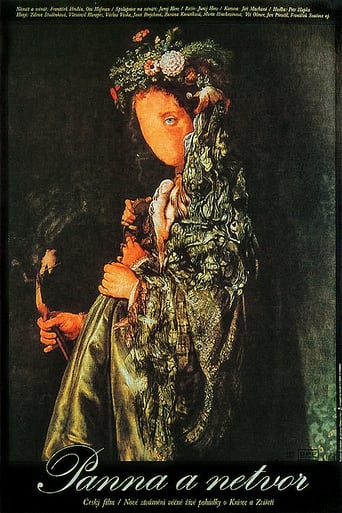
Panna a netvor
あらすじ
No synopsis available.
予告・トレイラー
スタッフ・制作会社
監督: Juraj Herz
脚本: Ota Hofman / Juraj Herz / Jeanne-Marie Leprince de Beaumont
音楽: Petr Hapka
撮影監督: Jiří Macháně
制作会社: Filmové studio Barrandov
No synopsis available.
監督: Juraj Herz
脚本: Ota Hofman / Juraj Herz / Jeanne-Marie Leprince de Beaumont
音楽: Petr Hapka
撮影監督: Jiří Macháně
制作会社: Filmové studio Barrandov
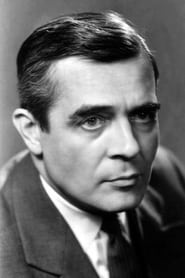
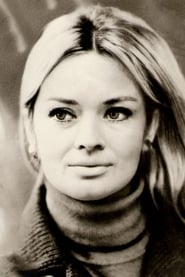
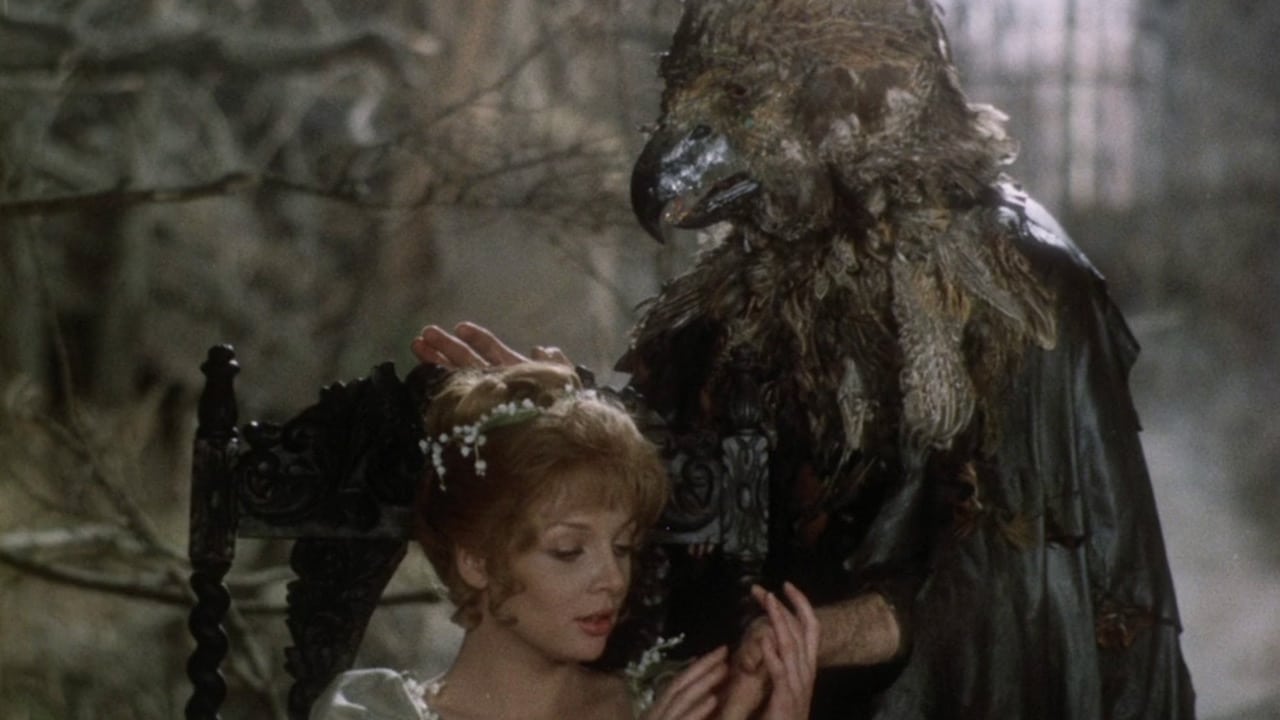
I think of all the iterations of the Barbot story, this is probably my favourite. Not least because it is largely devoid of sentiment and has a gloomy sinisterness to it that I found creepy and yet quite emotionally charged. It all starts with the merchant “Otec” (Václav Voska) whose daughters could just as easily have come from “Cinderella”. Two are selfish and venal, the third is “Julie” (Zdena Studenková) who merely wants a rose from her father’s latest travels to fetch the dowry for his other two children. When disaster befalls that journey, he finds himself at the mercy of a mysterious but generous host who offers him food, shelter and treasure in exchange for the one thing he had left of value - a portrait of his late wife. About to leave, he espies a gift for his youngest and that’s what earns him the violent enmity of his host. He is doomed to die unless one of his girls agrees to voluntarily take his place. When he regales them all with his story and explains he must return, it is the young “Julia” who steals out on his horse and offers herself as the sacrifice. The remainder of the plot plays out engagingly as the tormented and the tormentor soon become inexplicably linked and the choices both wanted at the start of their association soon become the last thing either of them want now. The manifestation of “Netvor” is creatively inspired, and manages to avoid the more pantomime humanisations that other versions have used; the conflict faced by “Julia” is delicately portrayed by Studenková and there is something distinctly Gothic about the production design and the organ themes that accompany her exploration of his palace. Perhaps most intriguing of all: I couldn’t quite understand why having swapped so selflessly, her father made no effort to swap back! The monochrome photography serves it really well and without any hints of traditional romance, it’s dark, menacing and amongst the best love stories you’re likely to see as it reminds us about the adage of judging a book by it’s cover.