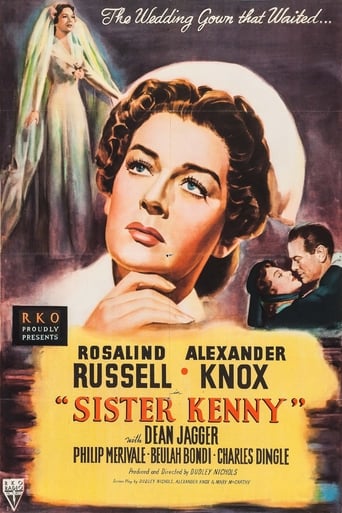
あらすじ
This historic book may have numerous typos and missing text. Purchasers can usually download a free scanned copy of the original book (without typos) from the publisher. Not indexed. Not illustrated. 1897 edition. Excerpt: ...enemy was only two miles distant. Then began confusion and additional suffering. The wounded and dying men were hurriedly placed uiion transport boats. These vessels were so overcrowded that they seemed more like sinking than sailing. The Sisters were detailed to accompany the wounded to the several cities where they were destined, the work of transportation continuing for several weeks. The Sisters shared with their patients every horror but their bodily pains. They were in the lower cabin, the ceiling of which was low and the apartment lighted by hanging lamps and candles. The men lay on beds on the floor, with scarcely enough space to walk between them. The Sister in charge of this lower ward was so persevering in her zealous attention that even the doctor declared he did not know how human nature could endure such duties. A few mouths later this Sister died from the effcts of overwork--a martyr to duty. The remaining Sisters not engaged with the sick returned to Haltimore, but in a few days received a summons to go to Point Lookout, situated at the southern extremity of Maryland, bounded on one side by the Chesapeakc Bay and on the other by the Potomac River. On the 14th of July, 1802, Father Rurlando, with twenty-five Sisters, left Baltimore, and in twenty-four hours reached the hospital encampment of Point Lookout. The risters were soon destined to have another martyr in their band. They were only at Point Lookout two weeks when one of the zealous baud, who had contracted typhoid fever on the transport boat, died from that diseases She gave up her whole being as generously as she had offered her zealous labors. Father Rurlaudo had returned to Baltimore, but a good priest, who came occasionally to the encampment, heard her...