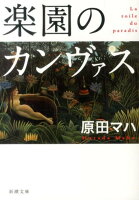
あらすじ
At the beginning of February 2013 the Bishops' Council of the Russian Orthodox Church met in Moscow. In their concluding statement the Bishops declared: Orthodoxy is being reborn as the foundation of national self-consciousness, uniting all the healthy forces in society - those forces which strive for the transformation of life on the basis of a sure foundation and the spiritual and moral values that have entered the flesh and blood of our peoples. This book is a critical study of an earlier period in the history of the Russian Church: The late nineteenth and early twentieth century, in which Orthodox patriots advocated for the place of the Church as a unifying force, central to the identity and purpose of the burgeoning Russian Empire. Their views were articulated not only in numerous publications, but also through art and architecture. Whilst other studies exist that draw attention to the voices in the Church typified as "liberal" in the years leading up to the Revolution, this work introduces the reader to a wide range of "conservative" opinion that equally strove for the renewal of the Church and the spread of the Gospel. Ultimately neither these "conservative" voices presented here nor those of their better-known "liberal" protagonists, were able to prevent the calamity that befell Russia with the Bolshevik revolution in 1917. The relatively narrow scope of this study should not conceal the wider relevance of its debates to the broader and continuing discussion of the relationship between national and ethnic identities and the self-understanding of Orthodoxy as a universal and transformative Faith. Book jacket.