あらすじ
The Good Soldier is a compelling exploration of deception, moral ambiguity, and the fragility of human relationships. Ford Madox Ford intricately dissects the complexities of love, betrayal, and the illusions people construct to maintain a semblance of stability. Set against the backdrop of aristocratic European society in the early 20th century, the novel follows the intertwined lives of two seemingly respectable couples, revealing the hidden tensions and emotional turmoil beneath their polished exteriors. Through the unreliable narration of John Dowell, the story gradually unfolds in a fragmented, non-linear manner, reinforcing its themes of memory, truth, and self-deception. Since its publication, The Good Soldier has been celebrated for its psychological depth and innovative narrative structure. Ford's use of an unreliable narrator and a disjointed timeline challenges conventional storytelling, inviting readers to question the nature of truth and perception. The novel's exploration of passion, duty, and the silent despair of its characters has ensured its status as a modernist masterpiece. The enduring relevance of The Good Soldier lies in its ability to expose the contradictions of human nature and the tragic consequences of unspoken desires.
映画・ドラマ版との違い・考察
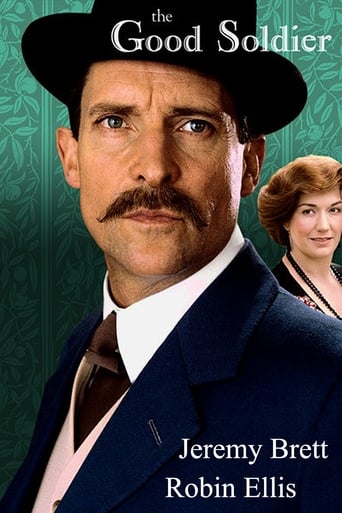
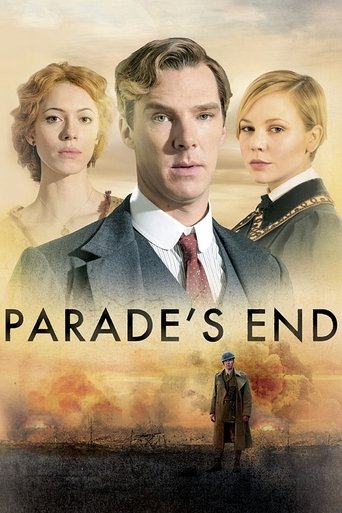
フォード・マドックス・フォードが到達したモダニズムの極致。本作の核心は、信頼できない語り手による断片的な記憶の中に、人間の欺瞞の深淵を描き出した点にあります。端正な仮面の下で蠢く情念と裏切り。時系列を解体し、真実を霧の中に隠し続ける語りの魔術は、読者を共犯的な迷宮へと誘います。これほどまでに残酷で美しい「静かなる絶望」の記録は他にありません。 映像化作品では、耽美な美術が内面の腐敗を際立たせますが、原作の真骨頂は語り手の主観がもたらす認識のズレにあります。映像が突きつける客観的事実と、小説が醸し出す主観的な虚構。両メディアを往復することで、真実がいかに脆く、個人の願望で歪められるかを、震えるような実感を伴って目撃することになるでしょう。