あらすじ
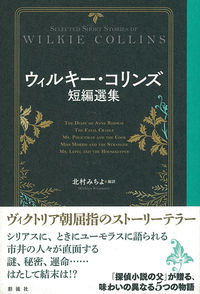
Wilkie Collins's classic thriller took the world by storm on its first appearance in 1859, with everything from dances to perfumes to dresses named in honor of the "woman in white." The novel's continuing fascination stems in part from a distinctive blend of melodrama, comedy, and realism; and in part from the power of its story. The catalyst for the mystery is Walter Hartright's encounter on a moonlit road with a mysterious woman dressed head to toe in white. She is in a state of confusion and distress, and when Hartright helps her find her way back to London she warns him against an unnamed "man of rank and title." Hartright soon learns that she may have escaped from an asylum and finds to his amazement that her story may be connected to that of the woman he secretly loves. Collins brilliantly uses the device of multiple narrators to weave a story in which no one can be trusted, and he also famously creates, in the figure of Count Fosco, the prototype of the suave, sophisticated evil genius. The Woman in White is still passed as a masterpiece of narrative drive and excruciating suspense. Introduction by Nicholas Rance
映画・ドラマ版との違い・考察
ウィルキー・コリンズが描く本作の真髄は、複数の語り手が真実を断片的に積み上げる証言形式にあります。単なるミステリーを超え、当時の女性の法的地位の危うさを鋭く抉り出す文学的強度は圧巻です。怪人フォスコ伯爵の知的な悪と、逆境に抗う女性たちの矜持が織りなす緊張感は、今なお読者の魂を激しく揺さぶります。 映像化作品では視覚的な恐怖が際立ちますが、原作特有の「視点の不確実さ」が生む心理的奥行きは格別です。文字が誘う濃密な情念と、映像が補完する重厚な空気感。この両者を併せて味わうことで、不朽の名作が仕掛ける重層的な罠と至高のカタルシスを、ぜひ全身で体感してください。