あらすじ
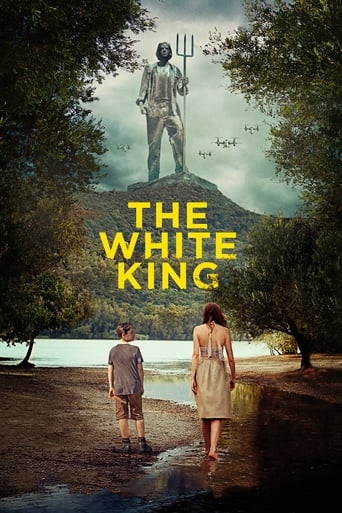
An international sensation, this startling and heartbreaking debut introduces us to precocious eleven-year-old Djata, whose life in the totalitarian state he calls home is about to change forever. Djata doesn’t know what to make of the two men who lead his father away one day, nor does he understand why his mother bursts into tears when he brings her tulips on her wedding anniversary. He does know that he must learn to fill his father’s shoes, even though among his friends he is still a boy: fighting with neighborhood bullies, playing soccer on radioactive grass, having inappropriate crushes, sneaking into secret screening rooms, and shooting at stray cats with his gun-happy grandfather. But the random brutality of Djata’s world is tempered by the hilarious absurdity of the situations he finds himself in, by his enduring faith in his father’s return, and by moments of unexpected beauty, hope, and kindness. Structured as a series of interconnected stories propelled by the energy of Dragomán’s riveting prose, the chapters of The White King collectively illuminate the joys and humiliations of growing up, while painting a multifaceted and unforgettable portrait of life in an oppressive state and its human cost. And as in the works of Mark Haddon, David Mitchell, and Marjane Satrapi, Djata’s child’s-eye view lends power and immediacy to his story, making us laugh and ache in recognition and reminding us all of our shared humanity.
作品考察・見どころ
ドラゴマーンが描くのは、独裁体制という檻の中で少年の瞳が捉える、残酷さと美しさの不協和音です。息つく暇もない躍動的な文体は、日常が暴力に侵食される緊張感と、父の帰還を信じる一途な熱量を鮮烈に孕んでいます。理不尽な世界で否応なく大人になることを強いられる少年の、剥き出しの魂の震えが、読む者の胸を激しく揺さぶるでしょう。 実写映像版が管理社会の冷酷さを視覚的な圧迫感で刻む一方、原作はテキスト特有の主観的叙述によって、映像以上に生々しい心の自由を浮き彫りにします。両メディアを横断することで、権力の虚無さと、それでも失われない人間性の輝きが重層的に響き合い、この物語が持つ真の普遍性がより深い感動として完結するはずです。