あらすじ
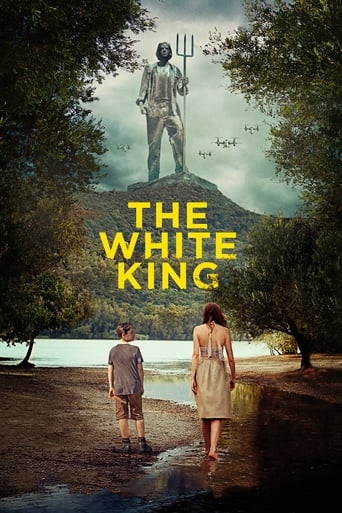
An international sensation, this startling and heartbreaking debut introduces us to precocious eleven-year-old Djata, whose life in the totalitarian state he calls home is about to change forever. Djata doesn't know what to make of the two men who lead his father away one day, nor does he understand why his mother bursts into tears when he brings her tulips on her wedding anniversary. He does know that he must learn to fill his father's shoes, even though among his friends he is still a boy: fighting with neighborhood bullies, playing soccer on radioactive grass, having inappropriate crushes, sneaking into secret screening rooms, and shooting at stray cats with his gun-happy grandfather. But the random brutality of Djata's world is tempered by the hilarious absurdity of the situations he finds himself in, by his enduring faith in his father's return, and by moments of unexpected beauty, hope, and kindness. Structured as a series of interconnected stories propelled by the energy of Dragomán's riveting prose, the chapters of The White King collectively illuminate the joys and humiliations of growing up, while painting a multifaceted and unforgettable portrait of life in an oppressive state and its human cost. And as in the works of Mark Haddon, David Mitchell, and Marjane Satrapi, Djata's child's-eye view lends power and immediacy to his story, making us laugh and achein recognition and reminding us all of our shared humanity.
映画・ドラマ版との違い・考察
ジョルジュ・ドラゴマンの『白い王』は、独裁政権の狂気を少年の無垢な眼差しで切り取った、残酷で美しい傑作です。暴力に満ちた日常を剥き出しの言葉で描く筆致は、読む者の魂を激しく揺さぶります。父の不在という喪失に抗い、不条理な世界を生き抜く少年の姿は、抑圧の中で輝く人間の尊厳を鮮烈に浮き彫りにします。 映像化された作品では、原作の閉塞感が冷徹な視覚美へと昇華されています。テキストが少年の内面の揺らぎを繊細に掬い上げるのに対し、映像は風景を通して社会の歪みを鋭く提示します。言葉が紡ぐ精神の深みと映像の圧倒的なリアリティ。この両者を往来することで、絶望の淵に灯る希望は、より切実な輝きを放ち、胸を打つはずです。