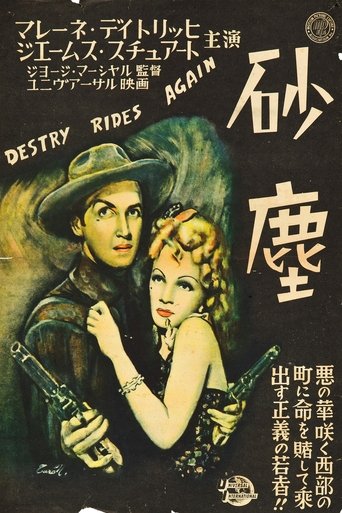
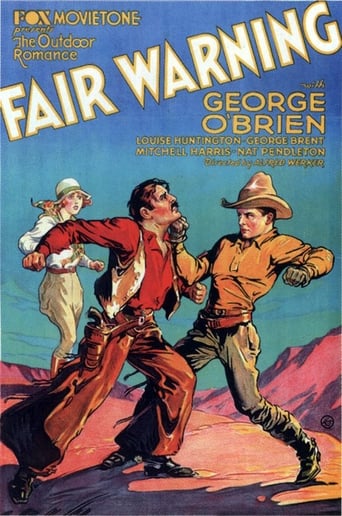
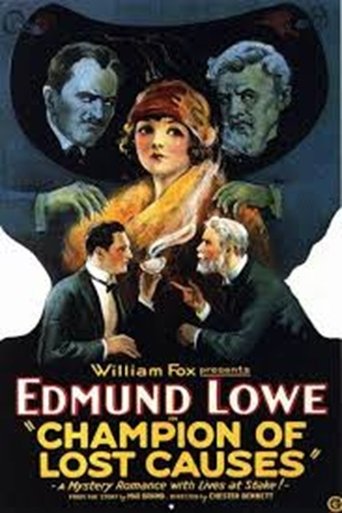
あらすじ
Happy Morgan, yelling like one possessed of ten shrill-tongued demons, burst on the gallop away from the others, and spurring his horse cruelly, forced the animal to race, bucking and plunging, half way around the arena and back to the group. This, then, was a type of the dare-devil horse breaker of the Wild West? The cheers travelled in waves around and around the house and rocked back and forth like water pitched from side to side in a monstrous bowl.When the noise abated somewhat, "And this, la-a-a-dies and gen'l'mun, is the peerless, cowpuncher, 'Bud Reeves.'"Bud at once imitated the example of Happy Morgan, and one after another the five remaining riders followed suit. In the meantime a number of prancing, kicking, savage-eyed horses were brought into the arena and to these the master of ceremonies now turned his attention."From the wildest regions of the range we have brought mustangs that never have borne the weight of man. They fight for pleasure; they buck by instinct. If you doubt it, step down and try 'em. One hundred dollars to the man who sticks on the back of one of 'em-but we won't pay the hospital bill!"
映画・ドラマ版との違い・考察
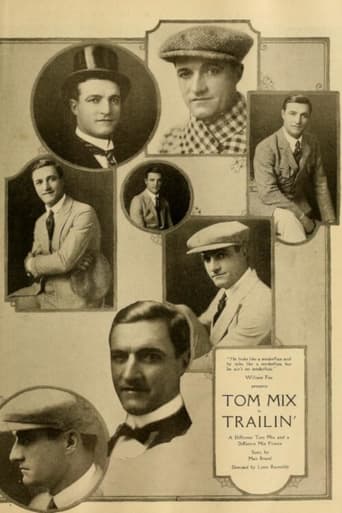
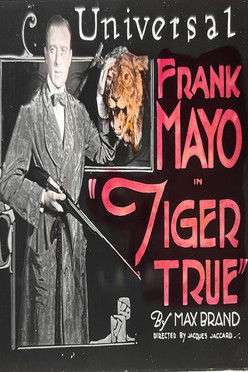
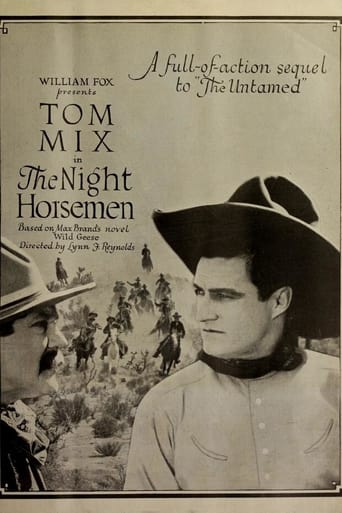
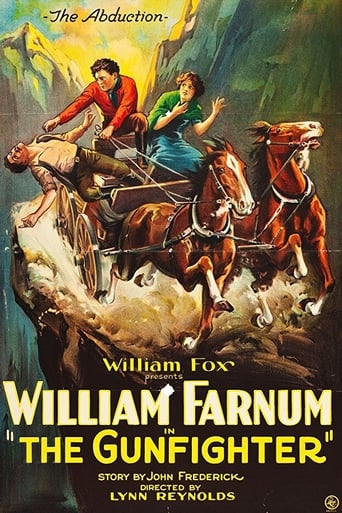
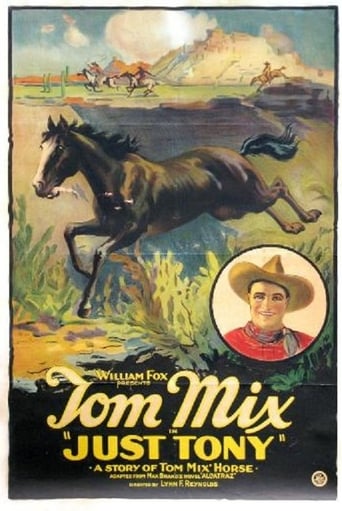
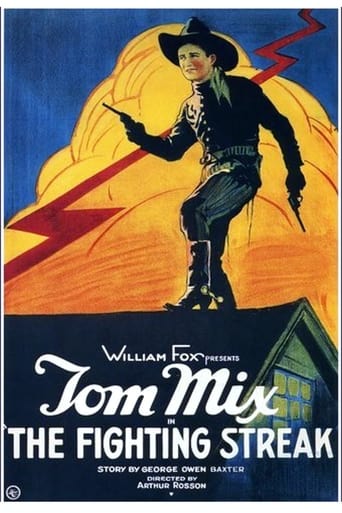
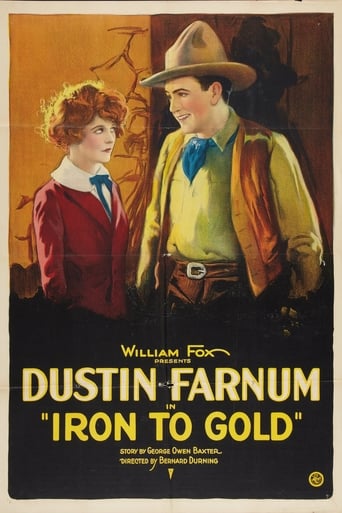
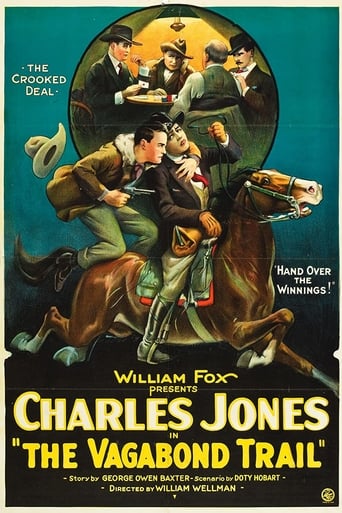
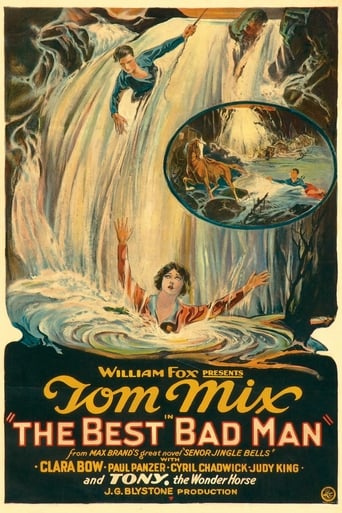
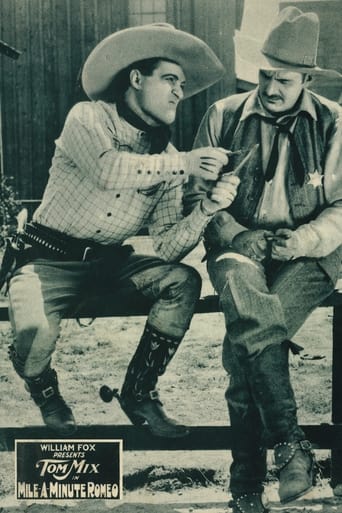
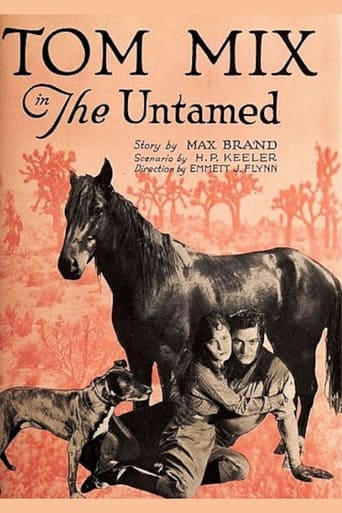
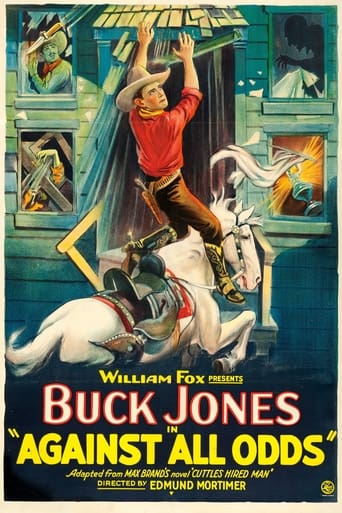
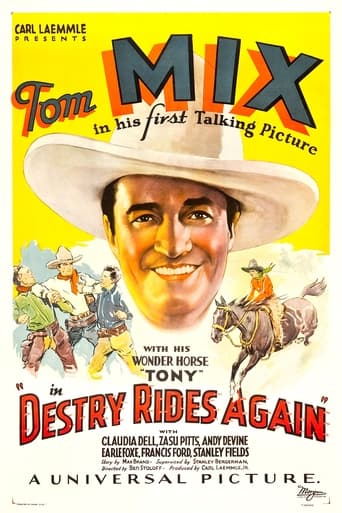
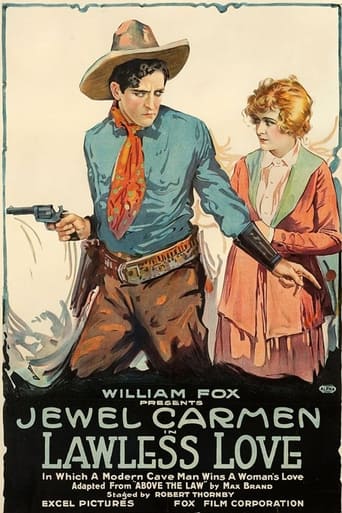
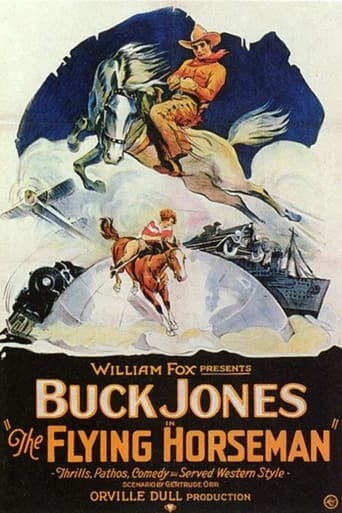
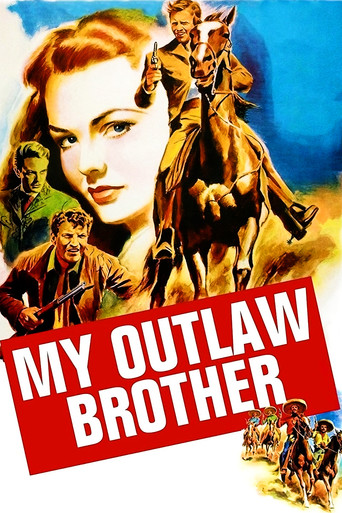
マックス・ブランドの筆致は、荒野の熱狂と野性を驚異的な解像度で描き出します。本作の本質は、単なる活劇を超えた「未開の力への挑戦」という普遍的テーマにあります。観衆の咆哮と荒ぶる馬の鼓動が重鳴する描写は、読者の五感を刺激し、飼い慣らされることを拒む人間の根源的な生命力を呼び覚まします。 映像化作品では、その圧倒的なスピード感が視覚的に補完されますが、原作には心理的葛藤という「言葉の深み」があります。映像が捉える肉体的な躍動と、活字が刻む不屈の精神。両者が共鳴することで物語は重層的な輝きを放ち、読者の魂を激しく揺さぶる至高の体験となるのです。