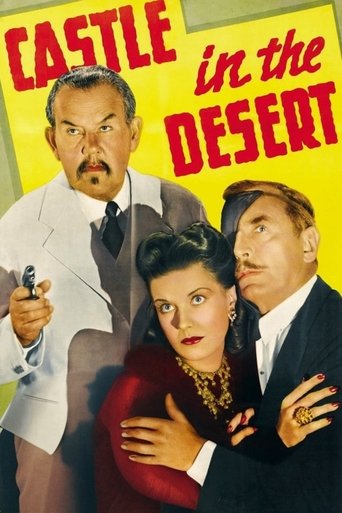
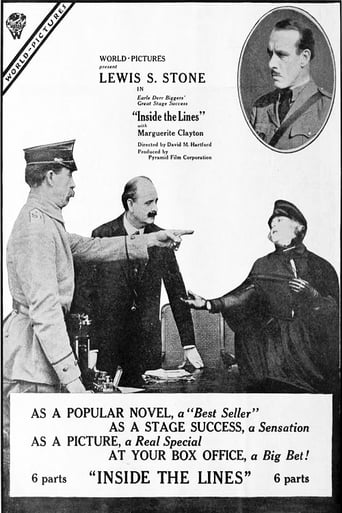
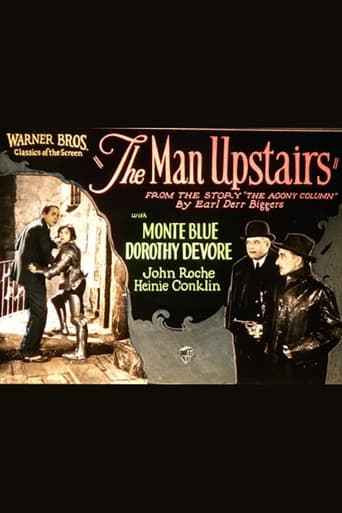
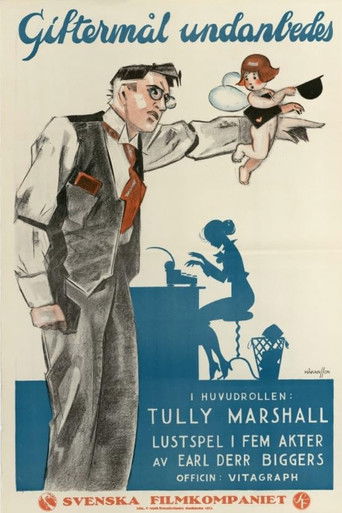
あらすじ
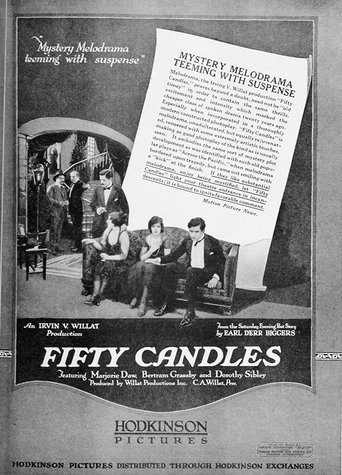
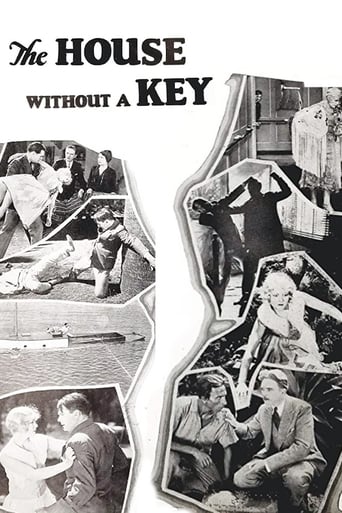
Biggers had always been interested in mystery fiction, but his interest in Hawaii clearly stems from a 1919 vacation in Honolulu. While there, he read a newspaper article on a Chinese detective named Chang Apana. Apana would become the model for Charlie Chan in Biggers' 1925 novel, House Without a Key, and there quickly followed five more Charlie Chan novels. Fifty Candles -- first published in the Saturday Evening Post, just two years after that 1919 vacation -- shows how Hawaii, China, and murder had already begun to come together in Biggers' imagination. The story starts in a courthouse in Honolulu, moves to China, then to fog-shrouded San Francisco. Many of the elements used in the Charlie Chan series are present: Chinese characters (both sinister and sympathetic), the Honolulu legal system, a shrewd detective (in this case, the lawyer Mark Drew rather than a policemen), and a baffling murder complete with red herrings and plenty of suspects. Though Fifty Candles is a murder mystery, it is also a romance, with the romantic elements at times in the forefront. Mostly, though, it is a book that will delight Biggers' many fans as they trace the origins of Charlie Chan.
映画・ドラマ版との違い・考察
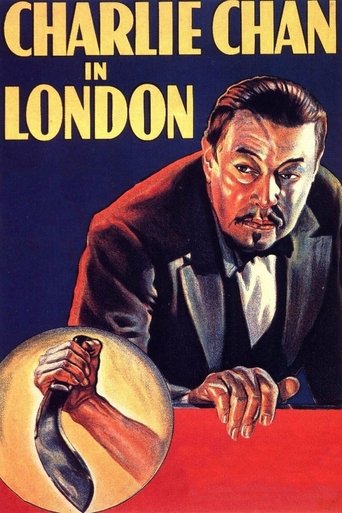
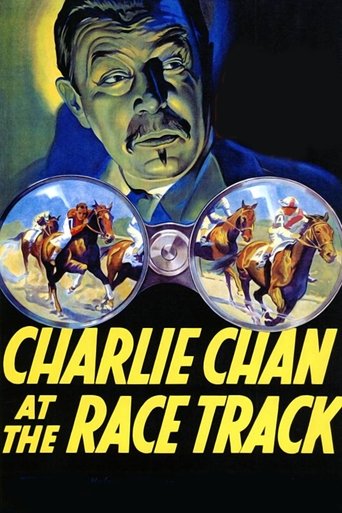
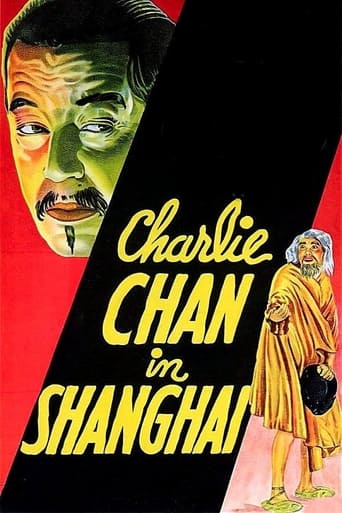
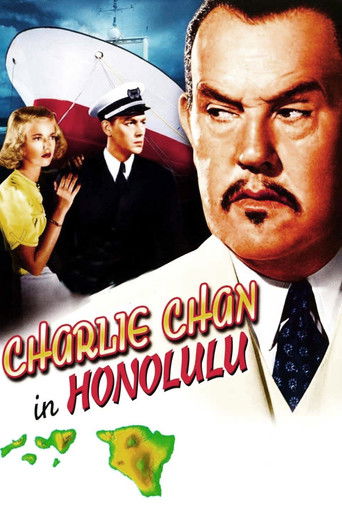
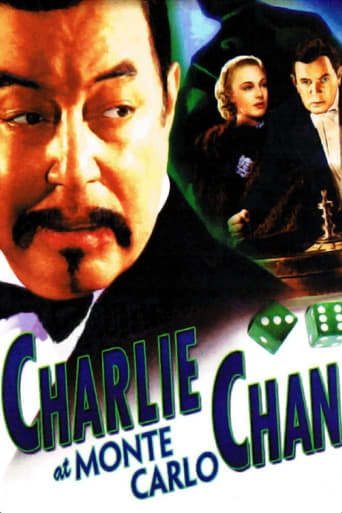
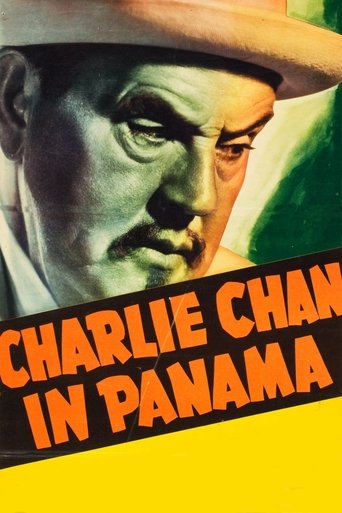
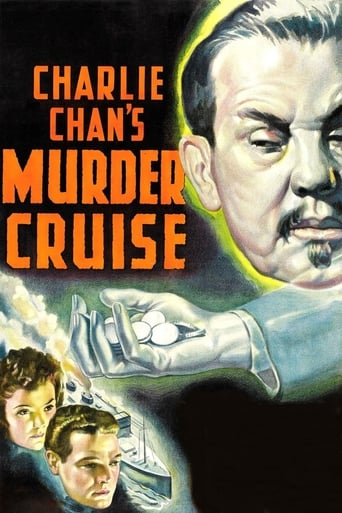
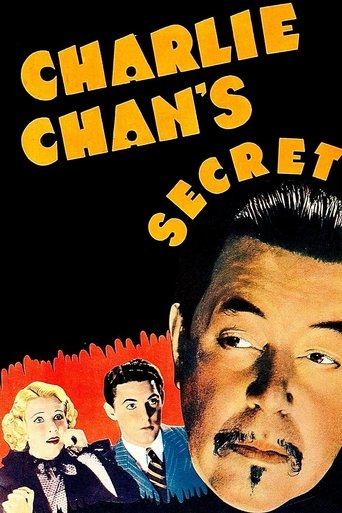
本作は名探偵チャーリー・チャン誕生の原点とも言える、東洋の神秘と西欧の論理が交錯する記念碑的傑作です。ハワイ、中国、霧のサンフランシスコと巡る舞台装置は、単なる謎解きを超えた旅情とロマンティシズムを湛えており、人間の欲望と愛憎が織りなすドラマが、冷徹な法廷の壁をも突き破る熱量で描かれています。 映像化作品では視覚的なサスペンスが強調されていますが、原作の醍醐味は、言葉によって立ち上がる異国情緒豊かな情景描写にあります。映像が切り取る緊張感と、テキストが深く掘り下げる登場人物の複雑な内面。この両者を往復することで、読者は伝説的な探偵像の萌芽をより鮮烈に目撃し、ミステリー黄金時代の息吹を肌で感じることができるでしょう。