あらすじ
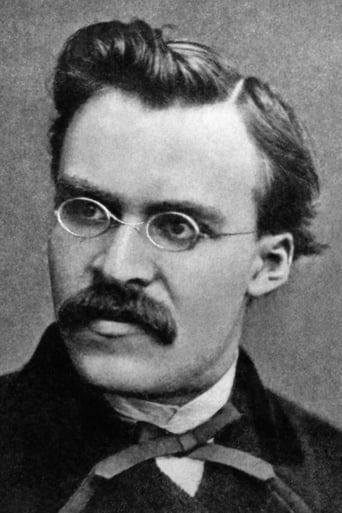
Thus Spake Zarathustra is a philosophical novel by German philosopher Friedrich Nietzsche, composed in four parts between 1883 and 1885 and published between 1883 and 1891.Much of the work deals with ideas such as the "eternal recurrence of the same," the parable on the "death of God," and the "prophecy" of the Ubermensch, which were first introduced in The Gay Science. Described by Nietzsche himself as "the deepest ever written," the book is a dense and esoteric treatise on philosophy and morality, featuring as protagonist a fictionalized Zarathustra. A central irony of the text is that the style of the Bible is used by Nietzsche to present ideas of his which fundamentally oppose Judaeo-Christian morality and tradition. The first English translation of Zarathustra was published in 1896 by Alexander Tille. Thomas Common published a translation in 1909 which was based on Alexander Tille's earlier attempt. Common wrote in the style of Shakespeare or the King James Version of the Bible. Common's poetic interpretation of the text, which renders the title Thus Spake Zarathustra, received wide acclaim for its lambent portrayal. Common reasoned that because the original German was written in a pseudo-Luther-Biblical style, a pseudo-King-James-Biblical style would be fitting in the English translation."