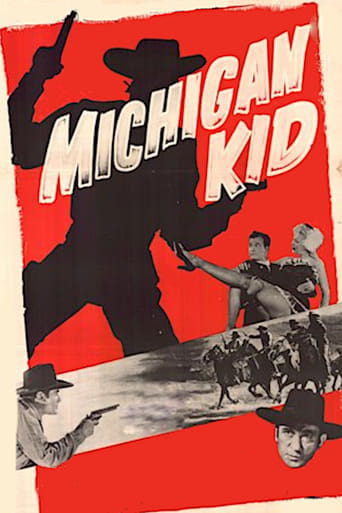
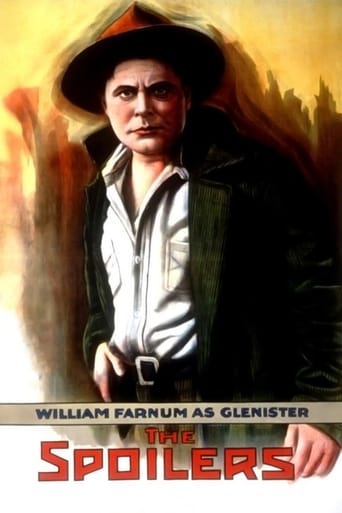
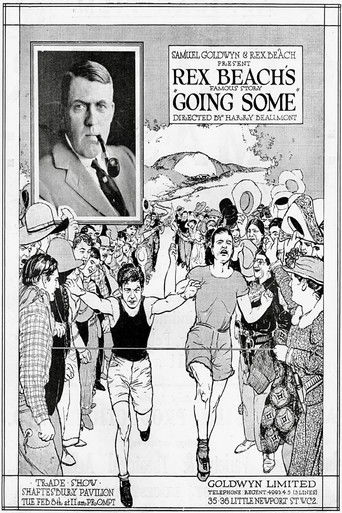
あらすじ
A fitful breeze played among the mesquite bushes. The naked earth, where it showed between the clumps of grass, was baked plaster hard. It burned like hot slag, and except for a panting lizard here and there, or a dust-gray jack-rabbit, startled from its covert, nothing animate stirred upon its face. High and motionless in the blinding sky a buzzard poised; long-tailed Mexican crows among the thorny branches creaked and whistled, choked and rattled, snored and grunted; a dove mourned inconsolably, and out of the air issued metallic insect cries—the direction whence they came as unascertainable as their source was hidden.Although the sun was half-way down the west, its glare remained untempered, and the tantalizing shade of the sparse mesquite was more of a trial than a comfort to the lone woman who, refusing its deceitful invitation, plodded steadily over the waste. Stop, indeed, she dared not. In spite of her fatigue, regardless of the torture from feet and limbs unused to walking, she must, as she constantly assured herself, keep going until strength failed. So far, fortunately, she had kept her head, and she retained sufficient reason to deny the fanciful apprehensions which clamored for audience. If she once allowed herself to become panicky, she knew, she would fare worse—far worse—and now, if ever, she needed all her faculties. Somewhere to the northward, perhaps a mile, perhaps a league distant, lay the water-hole.
映画・ドラマ版との違い・考察
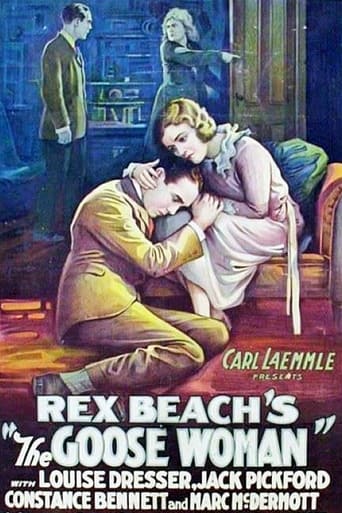
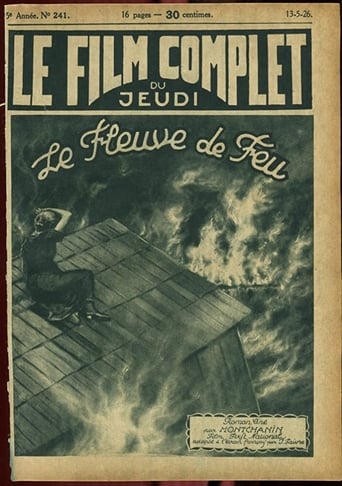
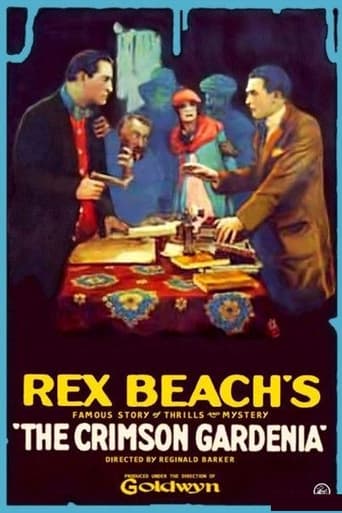
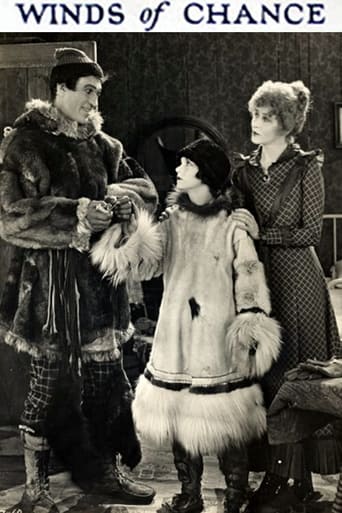
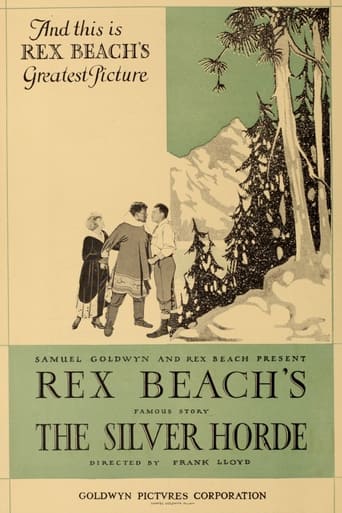
レックス・ビーチが描く本作の真髄は、過酷な自然を意志ある敵対者として捉える圧倒的な描写力にあります。焦熱の砂漠が人間の脆さと魂の強靭さを暴き出す過程は圧巻で、風景と内面が共鳴する情熱的な筆致は、単なる冒険譚を超えた深遠な人間讃歌となっています。 映像化作品では広大な景観が視覚化されていますが、原作には文字でしか到達し得ない心理的な「渇き」の深みがあります。映像の迫力とビーチの繊細な心理描写を併せて味わうことで、過酷な運命に抗う人間の気高さがより鮮明に立ち上がり、読者の胸に消えない情熱の炎を灯すはずです。