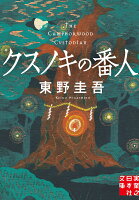
あらすじ
The phrase "popular music revolution" may instantly bring to mind such twentieth-century musical movements as jazz and rock 'n' roll. In Sounds of the Metropolis, however, Derek Scott argues that the first popular music revolution actually occurred in the nineteenth century, illustrating how a distinct group of popular styles first began to assert their independence and values. He explains the popular music revolution as driven by social changes and the incorporation of music into a system of capitalist enterprise, which ultimately resulted in a polarization between musical entertainment (or "commercial" music) and "serious" art. He focuses on the key genres and styles that precipitated musical change at that time, and that continued to have an impact upon popular music in the next century. By the end of the nineteenth century, popular music could no longer be viewed as watered down or more easily assimilated art music; it had its own characteristic techniques, forms, and devices. As Scott shows, "popular" refers here, for the first time, not only to the music's reception, but also to the presence of these specific features of style. The shift in meaning of "popular" provided critics with tools to condemn music that bore the signs of the popular-which they regarded as fashionable and facile, rather than progressive and serious. A fresh and persuasive consideration of the genesis of popular music on its own terms, Sounds of the Metropolis breaks new ground in the study of music, cultural sociology, and history.
この書籍に関連する実写化作品
実写化・アニメ化された映画やドラマを観て、原作小説ならではの美しい心理描写や、映像化で新たに加えられた解釈・演出との違いを楽しみましょう。
映像化情報を読み込めませんでした(著者の権利情報など)。