あらすじ
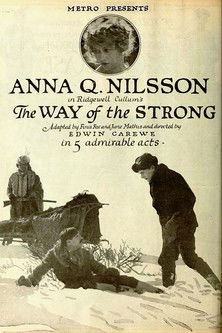
Excerpt from The Way of the Strong It was a grim, gray day; a day which plainly told of the passing of late fall across the border line of the fierce northern winter. Six inches of snow had fallen during the night, and the leaden overcast of the sky threatened many more inches yet to fall. Five great sled dogs crouched in their harness, with quarters tucked under them and forelegs outspread. They were waiting the long familiar command to "mush"; an order they had not heard since the previous winter. Their brief summer leisure had passed, lost beneath the white pall which told of weary toil awaiting them in the immediate future. Unlike the humans with whom they were associated, however, the coming winter held no terrors for them. It was the normal condition under which the sled dog performed its life's work. The load on the sled was nearing completion. The tough-looking, keen-eyed man bestowed his chattels with a care and skill which told of long experience, and a profound knowledge of the country through which he had to travel. Silently he passed back and forth between the sled and the weather-battered shelter which had been his home for more than three years. His moccasined feet gave out no sound; his voice was silent under the purpose which occupied all his thought. He was leaving the desert heart of the Yukon to face the perils of the winter trail. He was about to embark for the storm-riven shores of the Alaskan coast. About the Publisher Forgotten Books publishes hundreds of thousands of rare and classic books. Find more at www.forgottenbooks.com This book is a reproduction of an important historical work. Forgotten Books uses state-of-the-art technology to digitally reconstruct the work, preserving the original format whilst repairing imperfections present in the aged copy. In rare cases, an imperfection in the original, such as a blemish or missing page, may be replicated in our edition. We do, however, repair the vast majority of imperfections successfully; any imperfections that remain are intentionally left to preserve the state of such historical works.