あらすじ
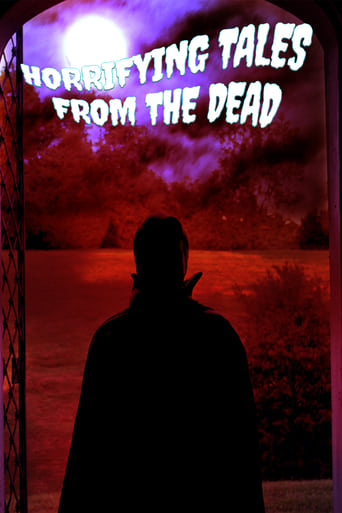
We've all been to Haunted House Attractions on Halloween that have people made up to be scary looking to scare us even though it is all fake, and we know it, but we don't care we want to be scared. Meet Henry Adams—a man whose obsession with fear ran deeper than most could comprehend. At forty-two years old, Henry had spent the better part of two decades visiting every haunted attraction within a five-hundred-mile radius of his inherited Victorian mansion on the outskirts of Millbrook. His collection of ticket stubs, photographs, and detailed notes about each attraction filled three large filing cabinets in his study. He'd rate each experience on a complex scale of his own devising, measuring everything from the quality of makeup effects to the timing of jump scares, from the authenticity of period costumes to the psychological impact of the narrative flow. But Henry had a problem. He loves going to haunted attractions. He was getting bored and not afraid anymore, so he decided he was going to make his Haunted attraction that would be to die for literally. Over the past few years, Henry had noticed the diminishing returns of each visit. The adrenaline rush that once kept him awake for hours after an attraction had faded to nothing more than a mild appreciation for craftsmanship. He found himself analyzing the mechanics behind each scare rather than experiencing them. He could predict when an actor would jump out, could spot the hidden doors and trap floors, could even identify which animatronics were being reused from year to year with different paint jobs. Henry wanted to be the envy of all Halloween attractions, and he is going to do it in a deadly way. The idea had been germinating in his mind for months, perhaps even years, though he'd never admitted it to himself until recently. He'd lie awake at night, staring at the ornate ceiling of his bedroom, imagining the reactions of visitors as they experienced true terror—not the safe, consensual fear of a theme park attraction, but genuine, primal horror. Henry knew if he was going to pull this off, it had to be done in a big way. His mansion was perfect for it. The three-story structure had been built in 1887 by his great-great-grandfather, a railroad baron who'd made his fortune in less than ethical ways. The house itself seemed to carry the weight of that dark history in its bones. Eighteen rooms spread across three floors, with a basement that extended into what had once been a wine cellar and servant quarters. The architecture was gothic revival, complete with turrets, pointed arch windows, and elaborate woodwork that cast unsettling shadows even in broad daylight. Halloween was just a couple months away, and Henry had to think of something special. He paced the halls of his mansion, running his hands along the damask wallpaper, feeling the texture of history beneath his fingertips. The house had been in his family for generations, passed down through a line of increasingly eccentric relatives. His parents had died in a car accident when he was twenty-five, leaving him the sole heir to both the property and a substantial trust fund that ensured he'd never have to work a day in his life. That freedom had allowed his obsessions to flourish unchecked. Then out of the blue, he said, "I know just the perfect thing to do this Halloween, and that would be to turn my Mansion into a real-life Haunted Mansion, but this has to be the real thing not just a bunch of props." The words hung in the air of his empty study, and even as he spoke them, Henry felt a thrill of transgression. He knew he was crossing a line that separated fantasy from reality, but the boundary had always seemed arbitrary to him anyway. That night as Henry was daydreaming about what to do on his couch, he wasn't about to doze off because if he did, he probably would forget. The ideas were coming too fast, too vivid. He could see it all playing out in his mind like a grotesque film reel. He imagined the layout of each room, the progression of scares, the crescendo of terror that would build as visitors moved deeper into the mansion. But more than that, he imagined the authenticity—the weight of real fear, the smell of genuine blood, the sound of authentic screams that came from a place of true desperation rather than theatrical performance. Henry immediately got off the couch and turned on the light and got a piece of paper to write down his thoughts and act on them in the morning. His hand moved frantically across the page, sketching rough floor plans and jotting down notes in his cramped handwriting. He wrote about sight lines and pacing, about the psychological principles of fear, about the difference between startling someone and truly terrifying them.