あらすじ
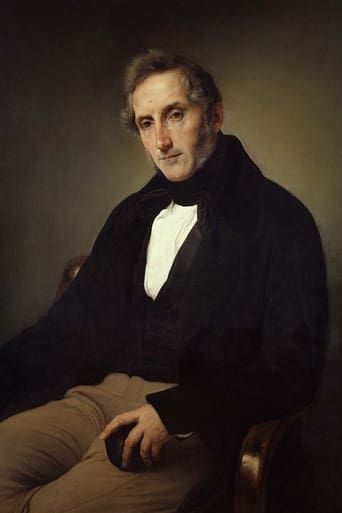
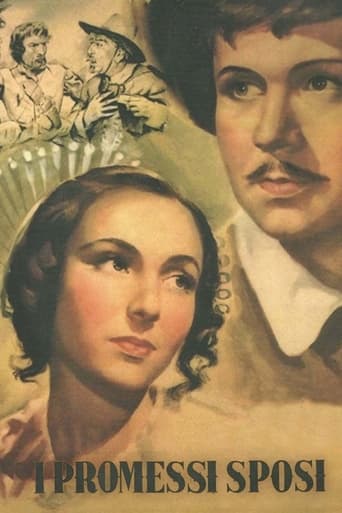
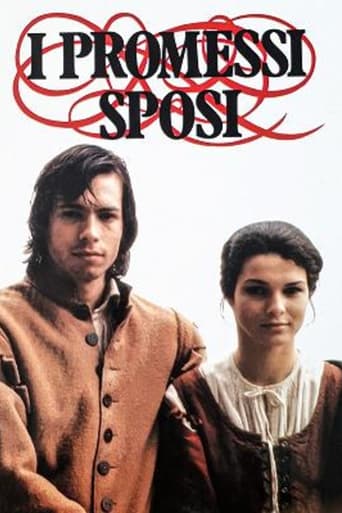
Alessandro Manzoni was a giant of nineteenth-century European literature whose I promessi sposi (The Betrothed, 1928) is ranked with War and Peace as marking the summit of the historical novel. Manzoni wrote “Del romanzo storico” (“On the Historical Novel”) during the twenty years he spent revising I promessi sposi. This first English translation of On the Historical Novel reflects the insights of a great craftsman and the misgivings of a profound thinker. It brings up to the nineteenth century the long war between poetry and history, tracing the idea of the historical novel from its origins in classical antiquity. It declares the historical novel—and presumably I promessi sposi itself—dead as a genre. Or perhaps it justifies I promessi sposi as the climax of a genre and the end of a stage of human consciousness. Its importance lies both in its prospective and in its retrospective contributions to literary debate.
作品考察・見どころ
アレッサンドロ・マンゾーニによる本書は、不朽の名作を磨き上げる歳月の中で紡がれた、あまりにも峻烈な自己批判の書です。歴史という事実の重みと詩的な虚構。この両者が決して相容れないという絶望的な矛盾を、創作者自身の葛藤を通じて解剖する筆致は、読む者の魂を激しく揺さぶります。 彼は自ら築いた歴史小説というジャンルに対し、論理的な帰結として「死」を宣告します。しかし、その冷徹な誠実さこそが、物語の到達しうる極致を逆説的に証明しているのです。ジャンルの終焉を見据えた巨匠の眼差しは、単なる批評を超え、人間の意識の変遷をも浮き彫りにします。創作の深淵を覗きたい者にとって、これほど贅沢な導きはありません。