あらすじ
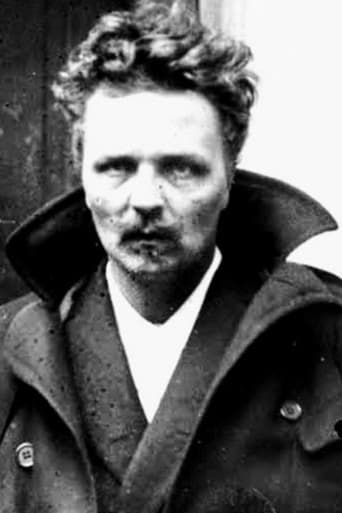
Inferno is an autobiographical novel by August Strindberg, originally published in Swedish in 1897. This intensely personal work details Strindberg's experiences during a period of mental and spiritual crisis in the mid-1890s, a time he referred to as his "Inferno crisis." The novel blends elements of autobiography, symbolism, and occultism to explore themes of madness, paranoia, and religious questioning. Set primarily in Paris and Austria, the narrative follows Strindberg's descent into psychological turmoil, marked by feelings of persecution and encounters with the supernatural. Inferno is a key work in understanding Strindberg's complex psyche and his contribution to modernist literature. It remains a powerful and disturbing exploration of the boundaries between reality and madness, and a significant example of fin-de-siècle angst. This work has been selected by scholars as being culturally important, and is part of the knowledge base of civilization as we know it. This work was reproduced from the original artifact, and remains as true to the original work as possible. Therefore, you will see the original copyright references, library stamps (as most of these works have been housed in our most important libraries around the world), and other notations in the work. This work is in the public domain in the United States of America, and possibly other nations. Within the United States, you may freely copy and distribute this work, as no entity (individual or corporate) has a copyright on the body of the work. As a reproduction of a historical artifact, this work may contain missing or blurred pages, poor pictures, errant marks, etc. Scholars believe, and we concur, that this work is important enough to be preserved, reproduced, and made generally available to the public. We appreciate your support of the preservation process, and thank you for being an important part of keeping this knowledge alive and relevant.
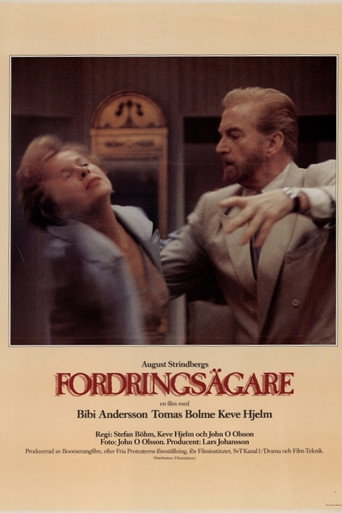
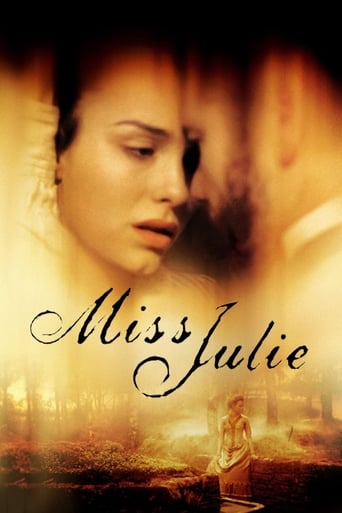
映画・ドラマ版との違い・考察
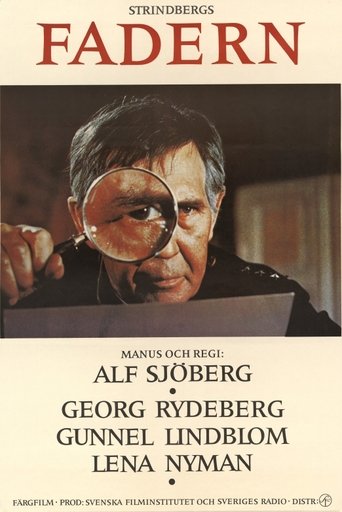
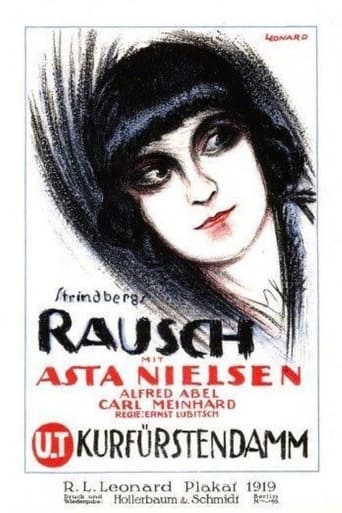
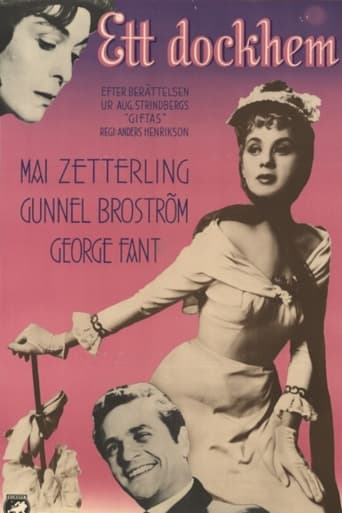
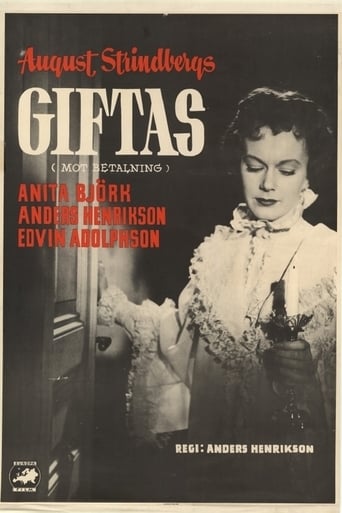
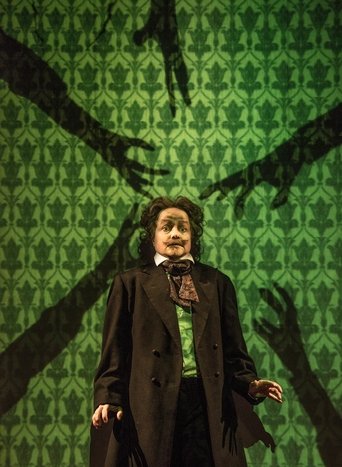
ストリンドベリの『地獄』は、狂気と神秘主義が交錯する魂の咆哮です。主観的な地獄が現実を侵食する過程を過激な象徴表現で描いた本作は、自己を解体し救済を求める著者の苦悶が読む者の心を激しく揺さぶります。単なる手記を超えた、世紀末の不安を象徴する文学的深淵がここにあります。 映像化作品では彼の視た異様な幻想が具現化されますが、原作テキストに宿る内面的独白の深みは唯一無二です。言葉が紡ぐ絶望と映像の視覚的衝撃が共鳴することで、私たちは稀代の作家が到達した究極の孤独を多層的に追体験できます。このメディア間のシナジーこそが、本作を味わう醍醐味です。