あらすじ
Composed during a period of extended bed rest, Gabriele D'Annunzio's Notturno is a moving prose poem in which imagination, experience, and remembrance intertwine. The somber atmosphere of the poem reflects the circumstances of its creation. With his vision threatened and his eyes completely bandaged, D'Annunzio suffered months of near-total blindness and pain-wracked infirmity in 1921, and yet he managed to write on small strips of paper, each wide enough for a single line. When the poet eventually regained his sight, he put together these strips to create the lyrical and innovative Notturno. In Notturno D'Annunzio forges an original prose that merges aspects of formal poetry and autobiographical narrative. He fuses the darkness and penumbra of the present with the immediate past, haunted by war memories, death, and mourning, and also with the more distant past, revolving mainly around his mother and childhood. In this remarkable translation of the work, Stephen Sartarelli preserves the antiquated style of D'Annunzio's poetic prose and the tension of his rich and difficult harmonies, bringing to contemporary readers the full texture and complexity of a creation forged out of darkness.
作品考察・見どころ
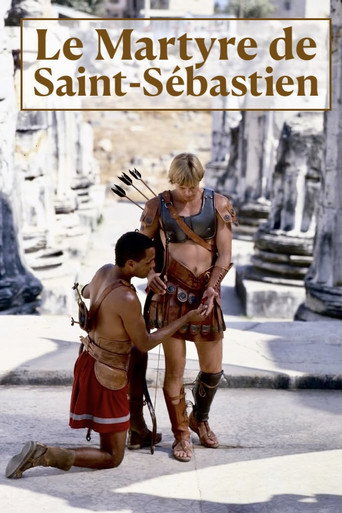
ダヌンツィオが失明の危機という闇で綴った本作は、視覚を奪われたからこそ研ぎ澄まされた魂の記録です。短冊に刻まれた断片的な文体は、戦慄する美しさと生々しい痛みを伴い、読者を記憶の深淵へと誘います。生と死、戦火と幼少期が交錯する言葉の奔流は、まさに散文詩の極致です。 映像版では、この内面的な暗黒が光と影の演出で鮮烈に再構築されています。文字の沈黙に対し、映像は詩人の幻影を具体化し、原作の官能性と悲哀を補完します。両メディアを味わうことで、暗闇から生まれた芸術がいかに普遍的な光を放つのかを、私たちは全身で体感することになるのです。