
アンドレイ・ルブリョフ
Trailer
Overview
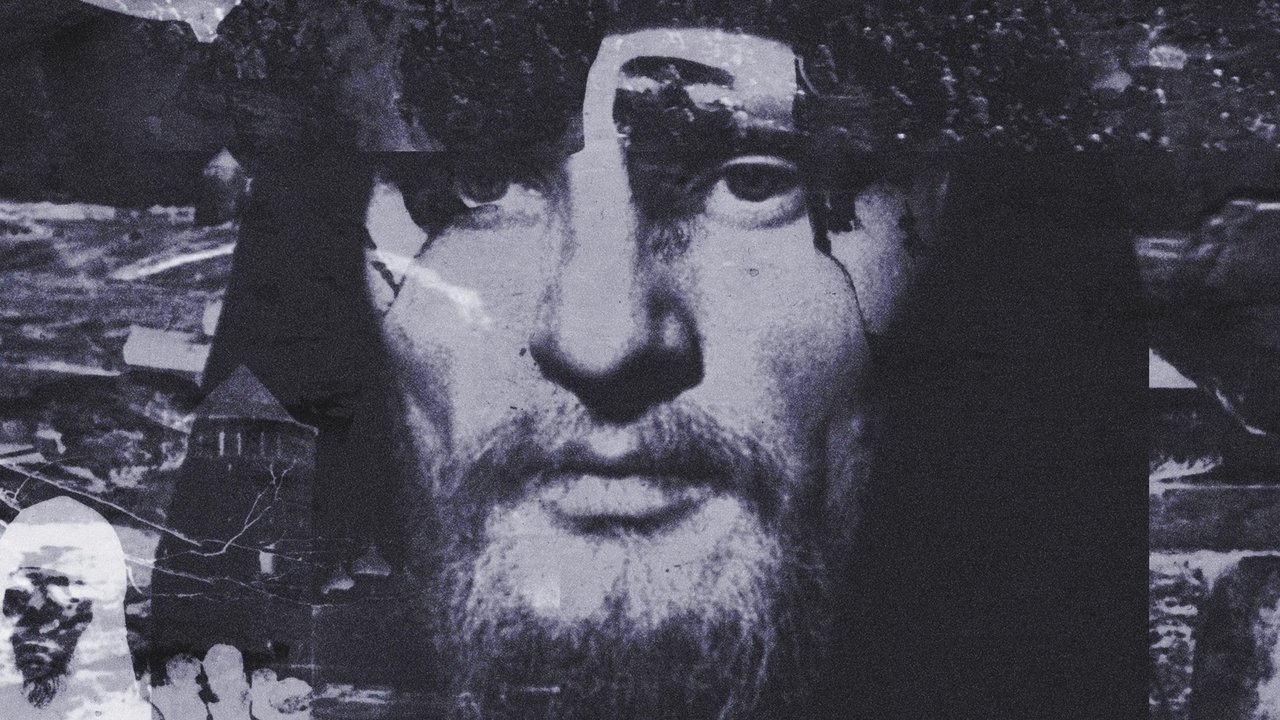
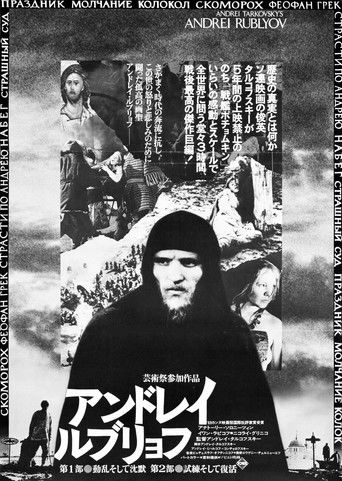
タルコフスキーとコンチャロフスキーという、旧ソ連の枠を脱して活躍することになる二大俊英が協力して脚本を執筆し、中世ロシア史上最高のイコン画家ルブリョフを主人公に、当時の社会と民衆の関わりを巨視的に捉えた歴史大作で、全体で二部構成。冒頭の、巨大な気球での飛行を試みる男たちの描写が象徴する閉鎖的な時代に、信仰と芸術の力によって風穴を開けたのがルブリョフと言える。彼は同窓の僧侶キリールに陥れられかけ、逆に大公の覚えめでたく宮廷画家となるが、連日、寺院の白い壁に向かい一筆も動かさない。神の愛を描きたいと願う彼の眼に時代は暗く映りすぎた。そして、公弟にそそのかされたタタール人が城を襲う(ここからが第二部)。ルブリョフは白痴の少女を救おうとして敵兵を討ち、後悔から筆を絶ち、修道院に戻るが、誰とも口をきかない。今や落魄の身のキリールとの再会……。ロシアはなお暗黒の中にあったが、大公は巨大な鐘の鋳造で威信回復を図る。今はなき名人の息子ボリースカの指導によって作業は開始され、ルブリョフはそれを興味深く見守る。秘訣を父に教わったという少年だが、実は鐘を作りたいばかりについた出まかせで、ようやく大鐘完成の暁に彼は真実を泣きながらルブリョフに明かす。彼は少年を賞賛し、自らも励まして言った。“君と一緒にやって行こう”……。15年にわたる無言の行の末、最初に出た言葉がそれであった。彼は再び絵筆をとり、その後、それまでの白黒とうって変わった鮮やかなカラーで写し出される偉大な作品群を残したのである。観ることが主人公の忍従に重なるような重厚な作品だが、それ故にラストの解放感は筆舌に尽くし難い。丸裸の自己と神--という一対一の構図を発見するまでの確執を描くのは、後のタルコフスキー作品にも通じるテーマだ。
Director: Андрей Тарковский
Writer: Андрей Тарковский
興行収入: $24,173 (0億円)
Cast
Reviews / 口コミ
あなたの評価を記録する
TMDB ユーザーの口コミ
Later canonised (in 1988!), this tells the story of the renowned Russian iconographist and fresco painter. His actual life, as you might expect from the early 15th century, is not well documented so Andrei Tarkovsky has, forgive the pun, a pretty blank canvas on which to draw us a portrait of the trials and tribulations of this inspired, misunderstood, suspected and troubled soul. It has an octuple, episodic, narrative that marries his own development as a man and an artist with the quite literally revolutionary goings on as his country is, frequently quite brutally, coming into some some semblance of cohesive existence. It focuses on the role of the church in this most religious, and superstitious, of nations and offers us a much less aggressive correlation between the communist Soviet threads so often prevalent in sate backed movies made at the time and of those iconic figures so prominent in Russian history. The imagery is creatively bamboozling at times; the story doesn't follow any linear a-b-c narrative and we are presented with an oblique interpretation not just of his life, but of life in an embryonic nation that is emerging from an almost primitive existence - and that is fascinating (if not always easy to follow and/or comprehend). It is the vision of the man in the title, but also of the man behind the camera - a startlingly effective sequence of beautifully photographed concepts that offer layers of complexities depicting human nature in pretty much all of it's guises. Surprisingly, for a film in excess of three hours, it flows effortlessly with Anatoliy Solonitsyn conveying an overwhelming sense of humanity with his character. If you can ever see it on a cinema screen, then it is definite a must - especially the last ten minutes or so which demonstrate (in glorious colour) some of his magnificent artistry.