第七の封印
"人間存在のすべてを賭けて生と死の深淵にいどむベルイマン芸術の最高峰!"
Trailer
Overview
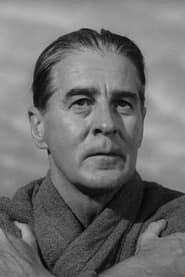
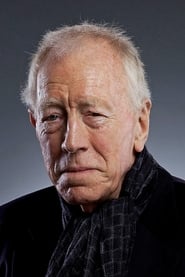
ペストが流行し終末的様相を呈した中世ヨーロッパ、10年に及ぶ十字軍遠征から帰還し疲弊し切った騎士アントーニウス(マックス・フォン・シドー)の前に死神(ベント・エーケロート)が出現する。死の宣告を悟った彼は、自らの命を懸けチェス対決を申し出るが、夜が明け死神は姿を消す。故郷を目指すアントーニウスの旅には常に死の気配がつきまとい、残酷な現実が待ち受けていた……。 名だたる映画作家たちに多大な影響を与え続けるスウェーデンの巨匠イングマール・ベルイマンが、人間の生と死、神の存在をテーマにした異色作。終末的様相を呈した中世ヨーロッパを舞台に、十字軍遠征から帰還し生きる意味や信仰に懐疑的になり、死神にとりつかれた騎士の姿を幻想的な映像で描く。
製作費: $150,000 (0億円)
興行収入: $311,212 (0億円)
純利益: $161,212 (0億円)
配信サービス
Cast
Reviews / 口コミ
あなたの評価を記録する
TMDB ユーザーの口コミ
Interesting and iconic movie about faith and the meaning of life. A must seen.
**The universality and invincibility of Death, the fear of dying, the importance of faith and its use by the Church in a timeless film, but not suitable for everyone.** The film, set in the late Middle Ages, begins with a knight returning to his homeland in Sweden after participating in the crusades. When he spots the figure of Death, who has come to get him, he decides to try to gain time by inviting her to play chess: if he wins the game, Death will not take him. What follows is a huge film essay around the themes of death, beliefs, faith, religion and the role of spirituality in human experience. While the plague is raging and claiming victims, we see people increasingly scared, and blindly resorting to faith to protect themselves from what looks like the end of times. We see people's daily lives, with their mistakes, virtues, sins and difficulties. We see the knight himself, with a growing fear of dying and struggling with deeper and deeper doubts about faith, the existence of God. Furthermore, we also see how the Church exploited the fear of death to reinforce its power, influence and relevance within uneducated communities shaken by the epidemic. The ending is simple, but there is a deep meaning in it. Swedish filmmaker Ingmar Bergman's masterpiece seems to have its origins in his own fear of death. Max von Sydow, who gave life to the knight, is the greatest actor present in the film and gives us a strong and impactful performance. The film has gained notoriety over the decades and has become one of the most timeless and culturally significant classics of European cinema. However, it is not a film for everyone. Its simplicity, the way it approaches very complicated and philosophical themes and the ending that is difficult to understand at first glance are more than enough reasons why many people do not like this film, and I have to admit that there is a reason. For me personally, it wasn't a success, it's not a movie you want to see regularly, but I recognize its value.
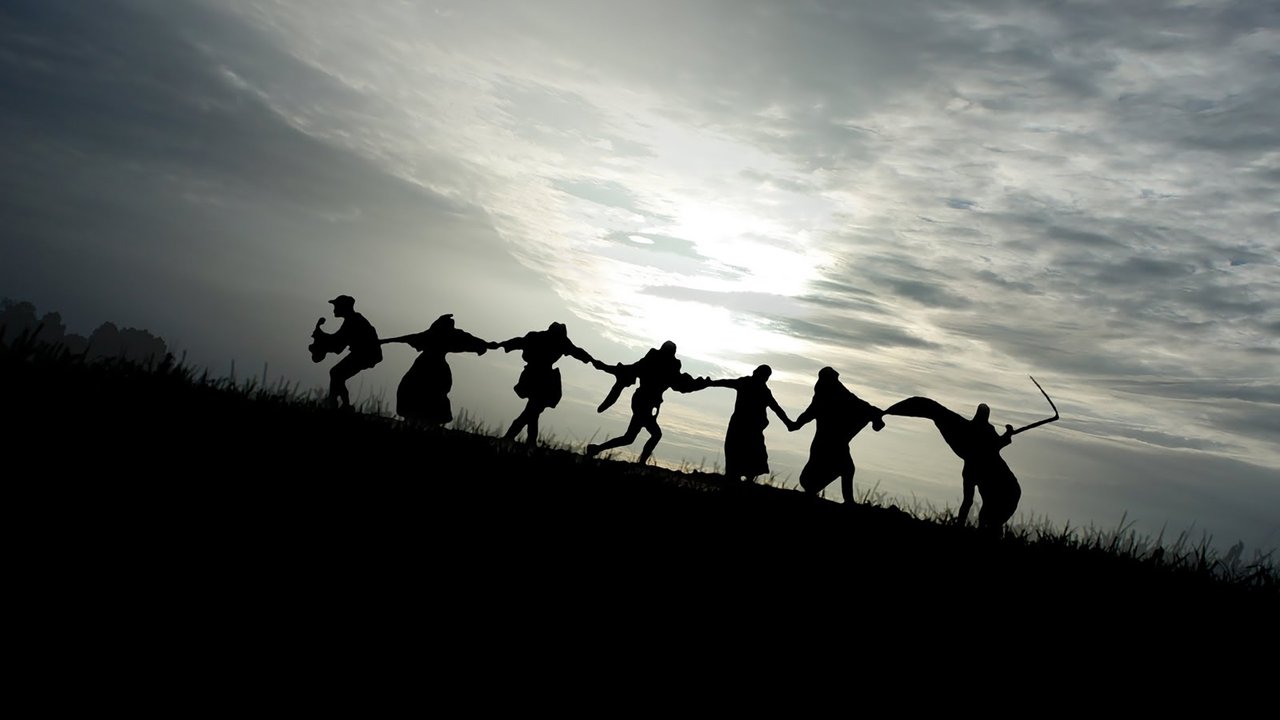
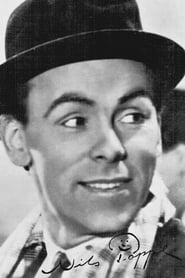
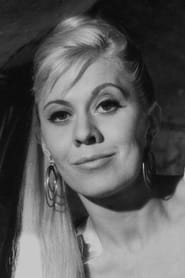
Now of course everyone’s favourite Max von Sydow film is “Flash Gordon” (1980) but I reckon this performance for Ingmar Bergman might be almost as good! With the dreaded Black Death sweeping his homeland, “Block” (MvS) returns from the Crusades with his squire “Jöns” (Gunnar Björnstrand) only to find himself barely off the boat before he encounters the apparently quite reasonable grim reaper himself. “Block” invites him (Bengt Ekerot) to play a game of chess, on condition that he is left to live for the duration of the game and that if he wins, then he is to be allowed to go free. The game isn’t played as one continuous effort, though, and that allows the knight to travel the land experiencing just how the toxic combinations of the sickness and the religious wars have impacted on a population rife with poverty, fear and superstition. Indeed, as the pair attempt to get to their homes, “Block” begins to doubt his own hitherto unshakeable faith in God. There might be a semblance of salvation on the horizon for him, though, when they encounter a group of travelling actors whom he agrees to act as bodyguard for through the perilous forest en route to his castle. It’s his association with “Mia” (Bibi Andersson) and husband “Jof” (Nils Poppe) that might just give him the ammunition to defeat his constant companion - assuming, after all of this, that he actually wants to. The photography and scenario are bleak and effective whilst the questions and scepticism about many things religious as well as the conflict experienced by this honourable man are also really quite poignantly expressed by an actor whose measured and considered performance is powerful. It’s a potent look at the positives and negatives of faith and of the dangers to that faith when it is rationally questioned by a man faced with it’s unfairness and inconsistencies. It packs a lot onto ninety minutes, asks some fairly fundamental questions and still looks great in monochrome on a big screen.