
ニコライとアレクサンドラ
あらすじ
ロマノフ家滅亡の悲劇を描いた名作。怪僧“ラスプーチン”によってしだいに滅亡へと向かうロシア皇帝とその皇后の物語で、主演マイケル・ジェイストンらの熱演が光る。第44回アカデミー賞2部門受賞。
ロマノフ家滅亡の悲劇を描いた名作。怪僧“ラスプーチン”によってしだいに滅亡へと向かうロシア皇帝とその皇后の物語で、主演マイケル・ジェイストンらの熱演が光る。第44回アカデミー賞2部門受賞。
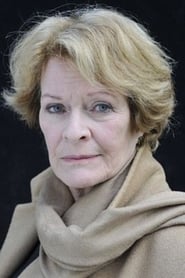
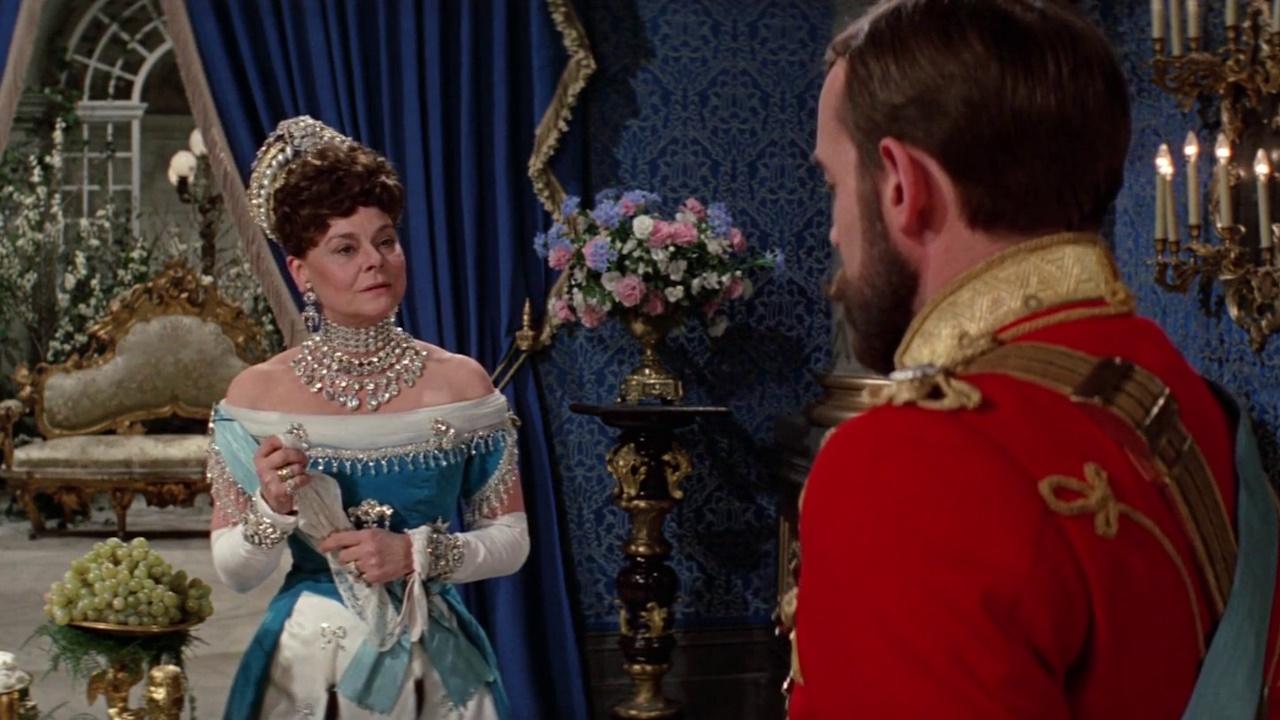
To be fair to Sam Spiegel, he didn’t hold the purse strings too tightly on this sumptuous dramatisation of the lives of Czar Nicholas II (Michael Jayston) and his wife Alexandra (Janet Suzman) and it looks almost as stunning as “Doctor Zhivago” (1965). Sadly, though, that look doesn’t translate into anything very compelling to watch as neither lead actor really has what it takes to enliven either their roles or the tumultuous events at this fascinatingly turbulent time in European history. Luck isn’t exactly on the Romanov side right from the start when their only son Alexis is born with haemophilia, the Czarina finds herself under the sinister influence of Rasputin (the reliably hammy Tom Baker) and he finds his nation involved - on the losing side - in a war against Japan in Korea and with a domestic population no longer prepared to automatically accept the divine right of the emperor. What now ensues uses some large-scale, grand, cinematography intertwined with the excellent attention paid to the costume and production designs to depict historical events but I found this really more a victory for style over substance. Sir Larry Olivier can just about carry of his role as his sagely and increasingly frustrated premier Count Witte and Irene Worth always did possess a certain imperiousness that works well here as the Dowager Empress but I struggled with Harry Andrews, Timothy West and especially with a Jack Hawkins who looked like he had bathed in aspic before attaching a moustache he borrowed from a Marx brother. It comes alive a little with half an hour to go as a certain inevitable mortality impacts on this Imperial family, but I still felt it a passionless and rather sterile depiction of the hypocrisies and double standards that prevailed in a country where a palace and a ghetto existed side by side and where religious mysticism and the positively Machiavellian nature of the political machinations were rife. An opportunity missed, I would say, that really could have benefited from casting that didn’t worry so much about actual resemblance but more on substantive characterisation and perhaps focussed on a shorter, more concentrated, timeframe.