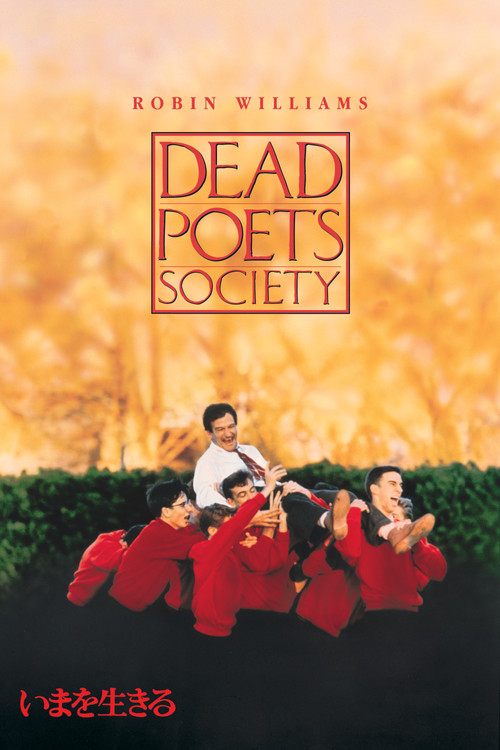
いまを生きる
“その人はひらめきと、そして人生の素晴らしさをおしえてくれた…。”
あらすじ
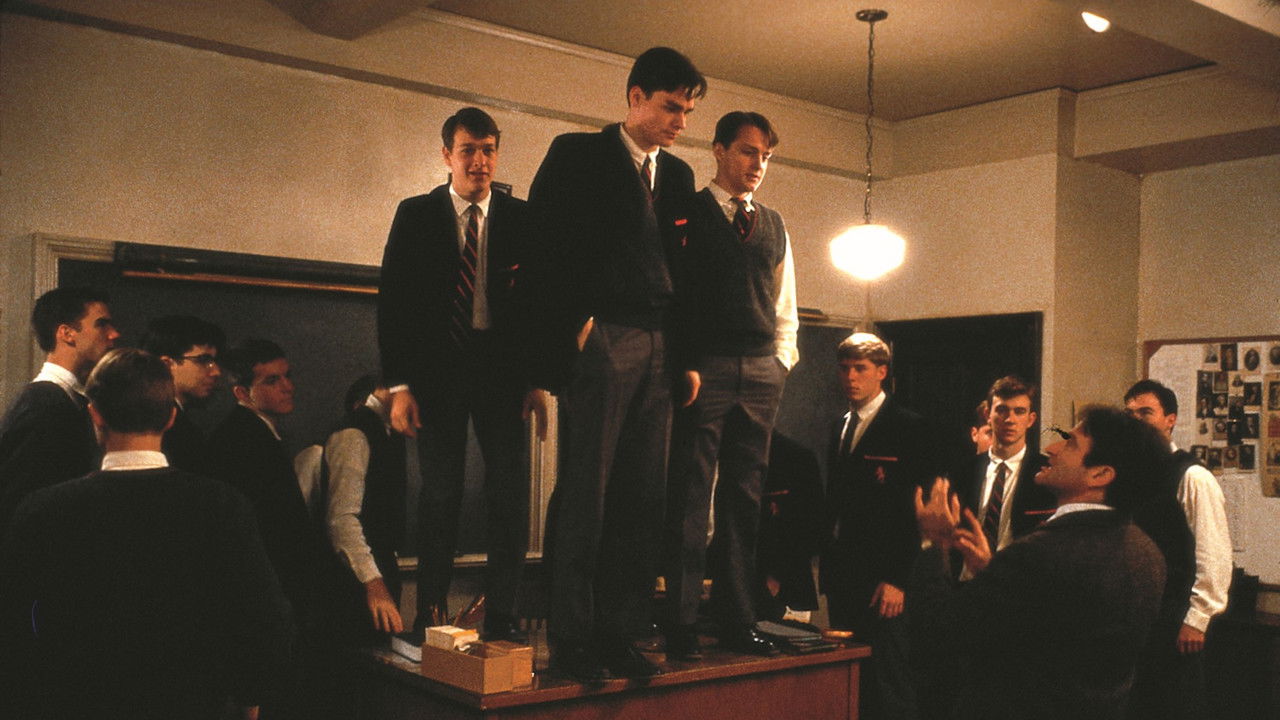
1959年、バーモントにある全寮制の名門進学校にやって来た新任の英語教師。破天荒な授業を通して、詩の美しさや人生の素晴らしさを説く教師に惹かれていった生徒たちは、彼がかつて学生だった頃に作っていた“死せる詩人の会”という同好会を自分たちの手で復活させる。ドラマの背景となる、初秋から冬にかけてのニューイングランド地方の風景も美しい。
作品考察・見どころ
AIが作品の魅力を深く読み解いています
“その人はひらめきと、そして人生の素晴らしさをおしえてくれた…。”
1959年、バーモントにある全寮制の名門進学校にやって来た新任の英語教師。破天荒な授業を通して、詩の美しさや人生の素晴らしさを説く教師に惹かれていった生徒たちは、彼がかつて学生だった頃に作っていた“死せる詩人の会”という同好会を自分たちの手で復活させる。ドラマの背景となる、初秋から冬にかけてのニューイングランド地方の風景も美しい。
AIが作品の魅力を深く読み解いています
FindKeyのエディトリアルチームがこの作品の深層や歴史を解説しています。
_**Seize the day; be Exceptional!**_ John Keating (Robin Williams), a new teacher at a stuffy prep school in 1959, inspires his students to capitalize on their natural talents and develop a passion for life because they only have one shot and in 60 years or so they'll all be worm-food. Each boy starts to act on Keating's dynamic ideas with explosive consequences , both good and bad. Released in 1989 and directed by Peter Weir, "Dead Poets Society" is a coming-of-age drama that’s one of the most inspiring films ever made and ranks with my all-time favorite movies. The film captivates from the very beginning and doesn't release until it's over. That's when you KNOW a movie's really good, regardless of the subject matter. The cinematography and locations are top rate, shot in the Middletown region of Delaware (although the story itself takes place in Vermont). The quiet Fall & Winter scenes are breathtaking. This is not a spoiler, but there's a powerful scene at the climax where the students give Keating a daring final salute. Roger Ebert criticized the scene as "so moving he wanted to throw up," but he's dead wrong. It is both unexpected and potent. The film contains a wealth of riches to mine in subsequent viewings, and I don't just mean the insights conjured from the poetry & prose. Here are a handful off the top of my head: "The letter kills,” referring to the legalistic nature of Neil's joyless father and most of the teachers at the school; the type of Judas (Cameron); the scapegoat (Keating); the stunning nature of feminine beauty (when Chris appears at the entrance of the school and the guys' mouths drop); the marvels of nature and how they're conducive to inspiration & spirituality; Keating's heartbroken countenance after Neil is removed from the theater crowd (Keating knows there's little he can do about the authoritarian mistreatment). There are a couple of insignificant scenes that don't work so well, but that's always the case, even with the best of films. One possible objection is that one boy's tragedy goes against the very message of the film to "seize the day." I disagree. The kid really started to "seize the day" but his passions were quenched by someone who didn't share Keating's mindset and he unfortunately couldn't handle it. Again, dynamic ideas have explosive consequences, good and bad. The other kids had varying results with their attempts to "seize the day." Some made progress in attaining their dreams and others got in trouble because they threw wisdom to the wind. The varying results make the story realistic. Another criticism was voiced by a reviewer who stated that the late night meetings at the cave to read poetry and inspire one another were "homo erotic." This interpretation could only be derived by an adult in our gay-obsessed modern culture. The kids in the film are about 16-17 years-old. This was the only way they could go out and have fun under the strict rules of a New England prep school in 1959. I remember when I was a teenager going out to the treehouse with several guys and drinking & smoking; we'd sometimes discuss metal/rock lyrics, which could be viewed as a delinquent form of poetry, and other such things. Sometimes we’d bring a girl or three. Likewise, in two of the cave meetings in the film one of the guys brings a couple babes from another school whilst the others look on in awe; on two other occasions a guy brings nude pages of whoa-men. I think that pretty much quells the "homo-erotic" theory. Most of those who scoff at this film's message go back to their 9 to 5 slavery (or 3 to 11 or 11 to 7, etc.) with no light at the end of the mundane tunnel. I encourage such people to give the film a second look. But BEWARE, there are no moronic explosions, CGI, non-stop 'action,’ gore, OTT cussing, nudity or sex scenes; I know that's completely shocking, but it's true. Then I would encourage these people to take a good look at their lives and ask: Are you willing to change it? Throw off the shackles? Throw caution to the wind and pursue your true calling, your dream? Will you "sieze the day"? Or will you continue to stagnate in a puddle of mediocrity? The answer that comes back will usually determine if this film becomes a favorite or not. FINAL ANALYSIS: Australian director Peter Weir has other good films like "Witness" and "Picnic at Hanging Rock" (the latter is, incidentally, a film about an ALL-GIRLS school and can be boring if you're not in the mood for an ultra-mystery yarn), but "Dead Poets Society" is his best. Check it out. Give it a second (or third) chance if you haven’t already. It's an outstanding story and it'll inspire you, especially if you've fallen into a life-stifling, growth-stultifying rut of drudgery. The film runs just over two hours (128 minutes). GRADE: A+