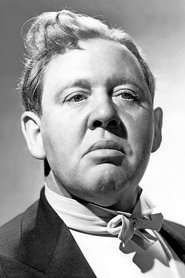
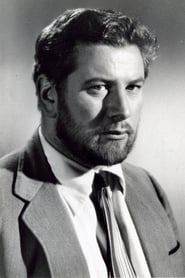
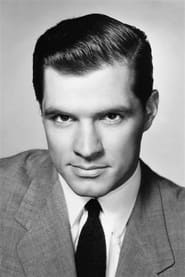
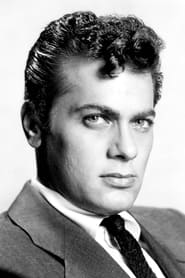
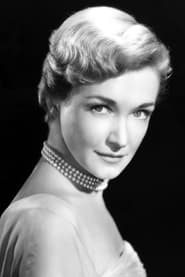
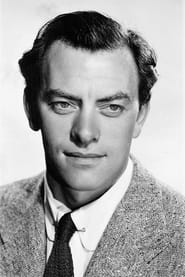
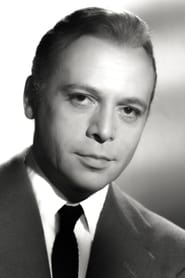
This historical/epic drama was one of those 50-60's movies that lasted for 3 and a half hours. It isn't perfect despite the production have being great in some points.
The main issue is that it isn't historical based (and who knows the history to the full extend?), but it was based on a Roward Fast novel of 1951 with lots of romanticized and non historical events.
Some things are history: like the basis of the dispute of the senate member involved in the rebellion, like Crassus (the main opositor), Grassus (the roman senator that was more a patrician than a warrior) and young Julius Cesar.
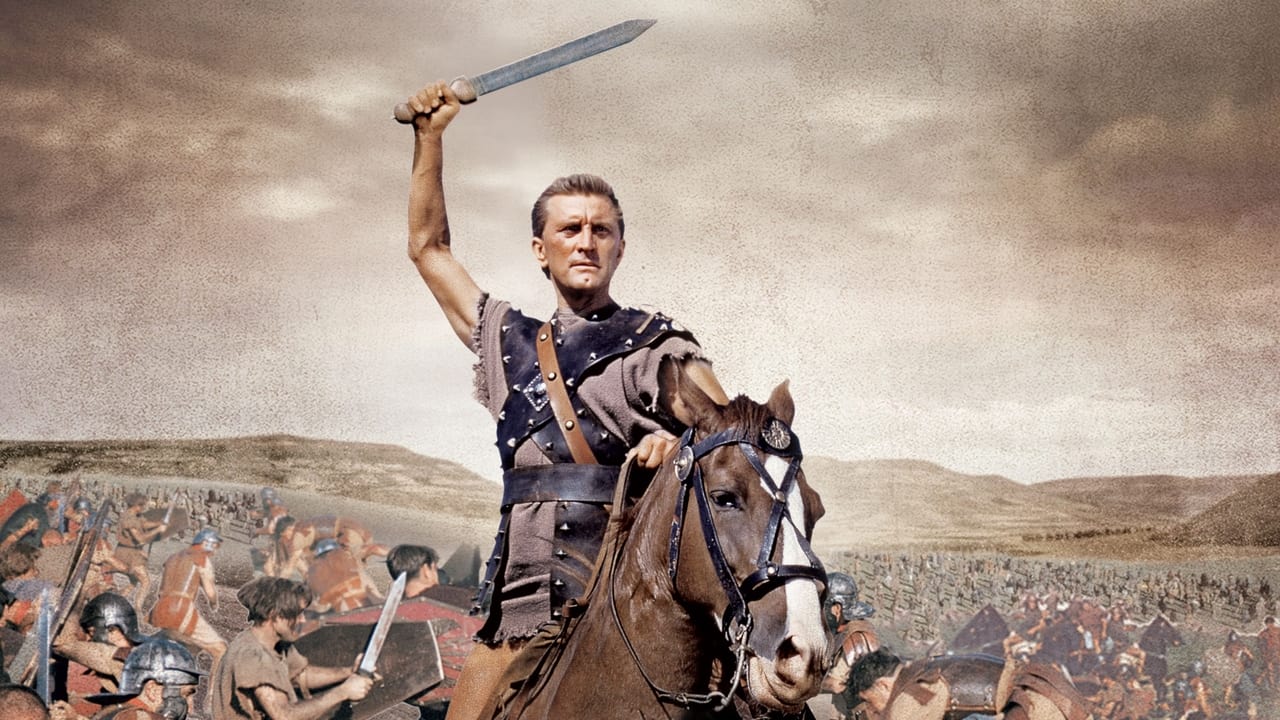
Played by Kirk Douglas, Spartacus was a Thracian man enslaved to work on the sulfur mines of Etna (that seems to be the same place that Barravas was filmed). Due to his rough and tempestuous humor, the is set to die by starvation - but his fierceness attracts a roman busniness man that trains gladiators. He start and training, getting better and better at this.
Eventually he is introduced to the Britannia woman Varinia that the slavemaster gives to his gladiators' and starts to fell in love with her. After a visit of Crassus his wife (that just vanish from the movie after that) wants a dispute between 4 gladiators, just for entertainments - at the time they weren't cheap. They took years of training and investment, and historically they seldom fighted to the death, they usually were just killing machines for spectacles at the areas or killing of prisoners.
While his friend wins a fight and kills the opponent, spartacus fights bravely but loses to an Ethiopian gladiator named Draba that doesn't tries to kill after winning and jump for the spectators. This changes Spartacus views for everything.
He plans a scape with other slaves and just using kitchen tools they made a escape overriding the romans soldiers at the place and stealing their weapons, starting a slave revolt that rise moree and more though the villages and cities they pass by, till they camp at the side of the Vesuvius.
At this point the situation is a vexation to Rome's senate, that have a lesser guarnition of soldiers, with the majority in campaign on the east (india) and west (Iberia). Evry try to contain the rebellion fails.
Spartacus doesn't plan to take Rome or anything he just want freedom for him and his companions - so he bribe a circician pirate (Circicia was a place in modern day anatolian peninsula, at Turkey) to bring 5 ships to all be left from a port in the south of Italy.
Learing of this plans Grassus that was a fierce opponent of Crassus at the senate bribe the pirate to undone the deal, and tries to convince young senator Julius Cesar to attack Spartacus. He by his turn doesn't like this sort of low move and tells Crassus about the plans.
By this time the Iberian regiment is back and Spartacus doesnt much what to do other than fight to his life and try to do a rebellion at the capital, so a major battle is set to occur.
The movie has several weak points - instead of basing of what history told us and try to do an alternative historic end, in the romance of Roward Fast of 1951 he puts inconsistences of time, and characters that doesn't exists. The book was transformed in a screenplay by Dalton Trumbo (blacklisted by Hollywood by be part of the communist party in the Cold War Era).
The direction of the movie was to be by Anthony Mann that quitted seeing the scope and difficulty of the movie, thn it handled down to the young Kubrick that already filmed "Paths of Glory". Kubrick talent was recognized as well as his excenties and ways of working especially on the takes. This time he had budget of $12 million (equivalent to about $120 million in today's funds - and a return of 17 million) and a cast of 10,500 extras to work with.
For instance the had troubles with the veteran cinematographer Russell Metty, because Kubrick wanted the use of a 35-mm Super 70 Technirama format blown up to 70 mm film, since Kubrick preferred using the standard spherical format, that allowed him to achieve ultra-high definition and to capture large panoramic scenes.
Kubrick also had wanted to shoot the picture in Rome with cheap extras and resources, but Edward Muhl, president of Universal Pictures, wanted to make an example of the film and prove that a successful epic could be made in Hollywood itself - this made the scenes at Rome and other to look cheap with the painted background.
But the open scenes was another thing: just no short of espetacular due to the vastness of scenarios and number of extras. For example the battle used around Madrid 9,000 Spain infantry men to make the roman empire legions at move, filmed though a tower. The cries of "Hail, Crassus!" and " I'm Spartacus!" were recorded at a Stadium in a game with 76,000 expectators. No doubt this influenced "I'm Sparta!" from "300" on the 90´s.
The final battle scene is notoriously the best part of the movie that had for the most tedious parts and dialogues, not helped with the stylish 50-60´s orchestral Hollywood leitmotif technique by Alex North that even used ancient instruments o make the musics. At least for me the music were common place among all others of the era.
On the final battle (there were three battles in this revolt), most of the scenes had to be cut due to a negative reaction on a test screening due to the violence - scenes like the disremembering of an arm with gushing blood shows what we may had missed.
In the end, the movie tries to reach epic proportions hard to be reachable with the weak screenplay and producers (Edward Lewis). With the right producer and a better screenplay and music it could have been an true epic (as he just glimpsed what Kubrick could do if he had the command of the project).
To this day I still a true rendition of Spartacus and not a series for TV. At least the movie inspired Ridley Scott to make one of my favorite movies on the genre to this day, "Gladiator". But one scene that is maked in my mind on this one is before the fatidical last battle Spartacus walking thought the slaves camp seeing couples, families fiends and a old couple braced together, knowing of their fate and feeling the weight of his task ahead (juts a not: nobody knows the whereabouts of the real Spartacus he was never identified on the battlefield and nobody know what happened to him).
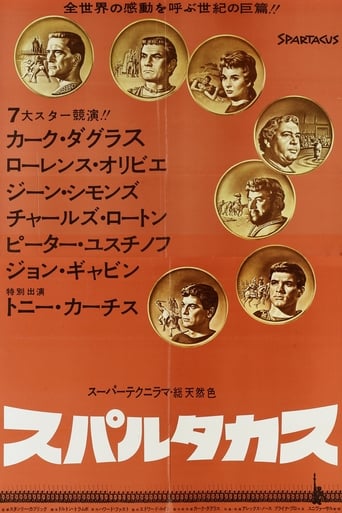
In the end the film won four Academy Awards (Best Supporting Actor for Ustinov, Best Cinematography, Best Art Direction and Best Costume Design) from six nominations, and was a success (the standards for revenue return were different at that time)
I gave half an extra star and a favorite for Kubrick's courage on this movie, that would be way better. My score for it is 7,0 out of 10,0 a B.
Version watched: Criterion 2015 4K restoration based on 91s restauration of the original movie.