Die Theorie von Allem
あらすじ
No synopsis available.
予告・トレイラー
興行成績
製作費: $425,000 (1億円)
興行収入: $561,322 (1億円)
推定収支: $136,322 (0億円)
※製作費・興行収入はTMDBのデータを参照しています。収支は(興行収入 - 製作費)で算出したFindKey独自の推定値であり、広告宣伝費や諸経費は含まれません (1ドル=150円換算)。
No synopsis available.
製作費: $425,000 (1億円)
興行収入: $561,322 (1億円)
推定収支: $136,322 (0億円)
※製作費・興行収入はTMDBのデータを参照しています。収支は(興行収入 - 製作費)で算出したFindKey独自の推定値であり、広告宣伝費や諸経費は含まれません (1ドル=150円換算)。
監督: Timm Kröger
脚本: Roderick Warich / Timm Kröger
音楽: Diego Ramos Rodriguez / David Schweighart
制作: Sarah Born / David Bohun / Dario Schoch
撮影監督: Roland Stuprich
制作会社: ZDF/Arte / ma.ja.de. Fiction / The Barricades / Panama Film / Catpics / ORF / SRF / Neue Visionen / UFO Production
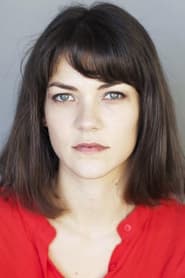
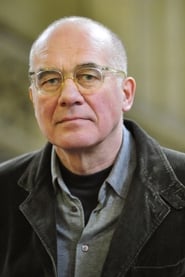
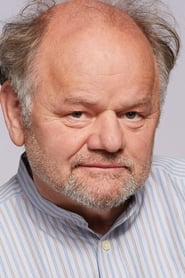
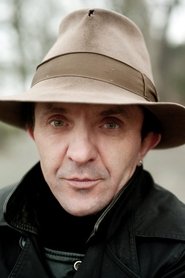
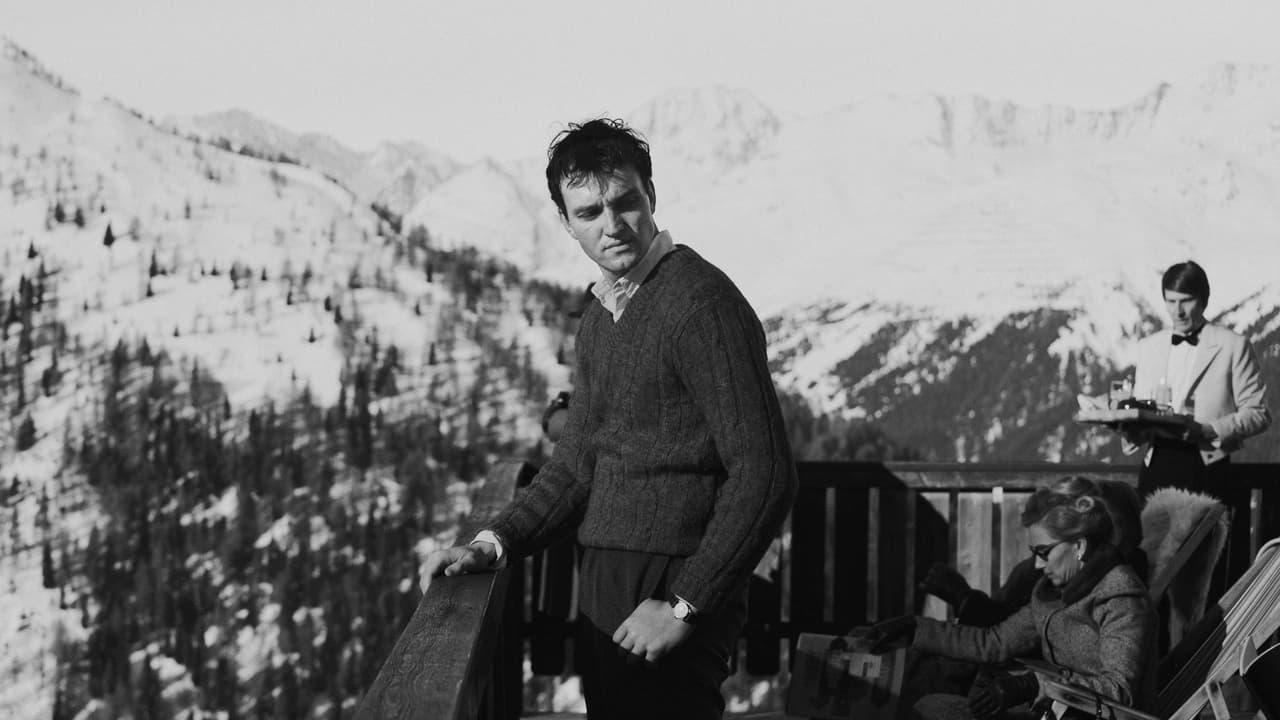
Aspiring physicist "Johannes" (Jan Bülow) is traveling with his tutor "Strathen" (Hanns Zischler) to a conference in Switzerland, aware that his rather radical thinking has narked his professor who wishes him to conform to more established theories. Indeed things are distinctly tense between them when they encounter "Blumberg" (Gottfried Breitfuss) on their train. He has some past with "Strathen" which isn't exactly friendly, but they continue their journey together with the young man promised any help he needs to get his dissertation over the line. Once they arrive, "Johannes" gets caught up in one of the many storms that frequent their mountainside hotel and seeks refuge in a church. Likewise, a few moments later, does "Karin" (Olivia Ross). He's immediately smitten but she doesn't hang around for long enough to even exchange names. Luckily for him, she happens to play the piano in the hotel's jazz bar and so maybe a meeting can happen after all? It's almost simultaneous with their arrival that he starts to feel distinctively out-of-sorts. A sense of déjà-vu often seems to follow him as he feels he has met her before somewhere. her bauhaus vacillates between the distant and (very) friendly, which he doesn't really comprehend either. Also, his timelines seem to be jumping about and when the avuncular "Blumberg" falls foul of a tragedy his befuddlement takes on an whole new life of it's own? What is going on here? It's as if the mountain has it's own secrets to keep? Is it all just too much wine? Or is there something more sinister going on? His is a mind of the rational and the scientific - ill equipped for matters ethereal or superstitious, so when the police come calling asking questions about the enigmatic "Karin", what can he make of it all? There are some quite intriguing threads to the story, here, as it tries to intertwine the factual with the less easily explicable and the snowscapes, frosty characterisation of "Strathen" and monochrome presentation add effectively chilling elements as the plot reveals a sense of the we know that we are missing something, but we don't know what it is, and we might never know. Unfortunately, Bülow is a bit weak to carry this off, and the annoyingly fragmented story flits about too much to give us chance to really get our teeth into it. Sure, it's quirky, unpredictable and requires us to think on more than one plain at a time, but I found it just didn't give me enough pitons to climb the mountain without sliding down far too often to square one. It does look good and does remind us that perhaps science hasn't all the answers, but I left feeling a little like "Johannes". Bemused.