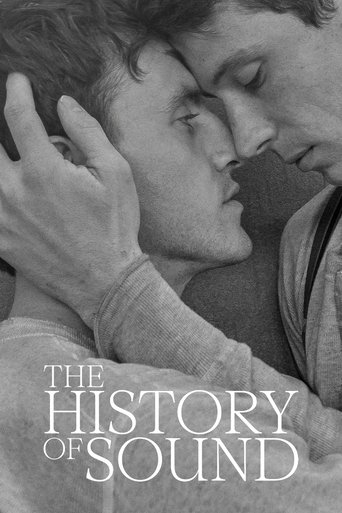
The History of Sound
Trailer
Overview
No synopsis available.
興行収入: $700,101 (1億円)
Cast
Reviews / 口コミ
あなたの評価を記録する
TMDB ユーザーの口コミ
The History of Sound: The Casablanca of the 21st Century "The History of Sound" is an incredibly powerful love story, I'm calling it the "Casablanca" of the 21st century. That's not hyperbole. Like Bogart's immortal line: "If that plane leaves the ground and you're not with him, you'll regret it. Maybe not today, maybe not tomorrow, but soon and for the rest of your life." Oliver Hermanus's film understands the weight of choices made and paths not taken. Both these love films stay with you long after the credits roll, their emotional resonance deepening with time. Kudos to Ben Shattuck for writing an incredible screenplay, particularly impressive for a beginner adapting his own short story. He's crafted something rare: a narrative that honors both romantic love and the love of music without sacrificing either. Hermanus brings this vision to life with luscious, warm, period filmmaking that feels both intimate and expansive. And he succeeds in making the queer love story so natural that the film doesn't feel like it's making that kind of statement at all. The soundtrack is a treasure chest of Americana, those wax cylinder recordings capturing not just songs but souls, voices that might have been lost to history if not for the devotion of men like Lionel and David. The film understands that preservation is an act of love, whether it's folk songs disappearing into modernity or moments between two people that the world may never acknowledge. "The History of Sound" is cinema that lingers, that reverberates, that refuses to fade.
Brokeback for Academics I liked it, but it needed much much much more music. My folk music loving heart is melting.
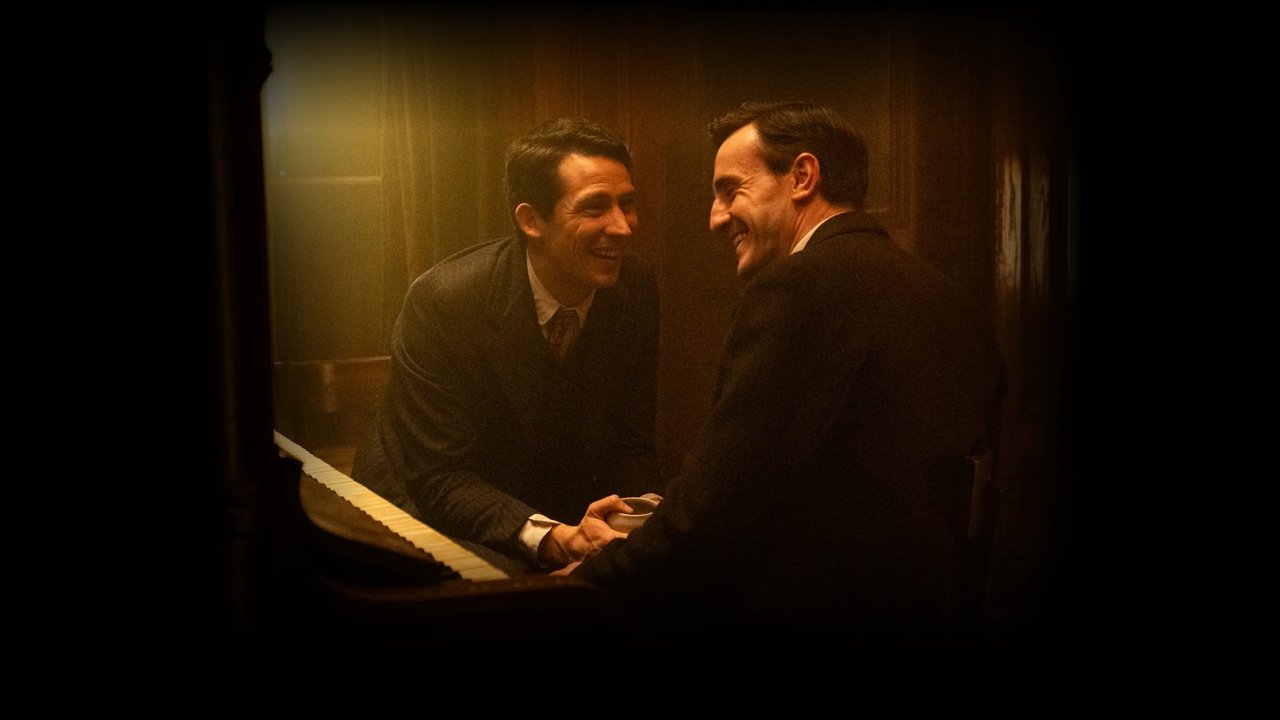
Man of the moment Paul Mescal also had a hand on the tiller of this drama about a musical prodigy (“Lionel”) who grew up subsistence farming in rural Kentucky. With little to entertain the family but their own skills, he was not only a singer but he could imagine music as something altogether more tangible than most. It’s at a conservatory that he encounters kindred spirit “David” (Josh O’Connor) and swiftly the two are listening to music and exploring not just their shared love of all things acoustic, but their shared love of each other too. When the Great War sees “David” drafted, the exempt “Lionel” (he wears spectacles) focuses on his career until his friend returns and they set off on trip deep into the woodlands of New England armed with wax discs upon which they hope to record examples of just how the locals performed their own traditional tunes. These men appreciate that their relationship is likely to end when their project does, and for one man that means a wife and family and for the other, well he has some demons to deal with. It’s only when “Lionel” attempts to reconnect with his friend after an absence of many years that we start to fill in the gaps and understand a little more of what made this pair tick. Though the gay elements to the story are important, they take their rightful place as a sub-plot in what is essentially quite a moving drama that addresses male bonding, rural poverty, the psychological impact of warfare and most importantly, the role of music in the lives of just about everyone. From barn dances and ceilidhs to mournful ballads, music was so often the currency for people to celebrate or mourn, and there are a myriad of examples for us to hear as they travel together and as “Lionel” works in Rome and Oxford allowing us to hear some grander pieces reverberating around some ancient marble churches. It’s slowly paced and of truth be told, not that much actually happens during this stylishly filmed piece of cinema, but there is chemistry between Mescal and O’Connor and something of community celebration - in the face of conflicts large and small - that I found quite touching.