Disingenuous locations and tedious scenes, but several highlights
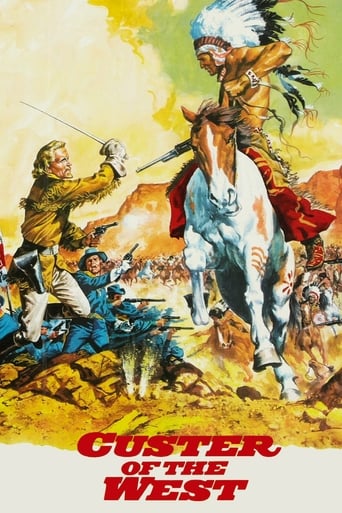
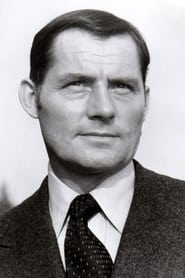
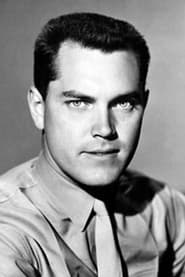
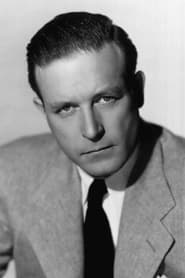
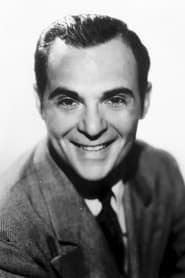
RELEASED IN 1967 and directed by Robert Siodmak, "Custer of the West" is a French/Spanish/American production starring Robert Shaw as the titular hero who becomes the youngest general in the Civil War at 23 and then goes on to fight in the Indian Wars of the northern plains, eventually dying at the Battle of Little Bighorn at the age of 36. Mary Ure plays Custer’s wife while Ty Hardin and Jeffrey Hunter play his subordinates Major Reno and Capt. Benteen. Lawrence Tierney is on hand as Gen. Sheridan.
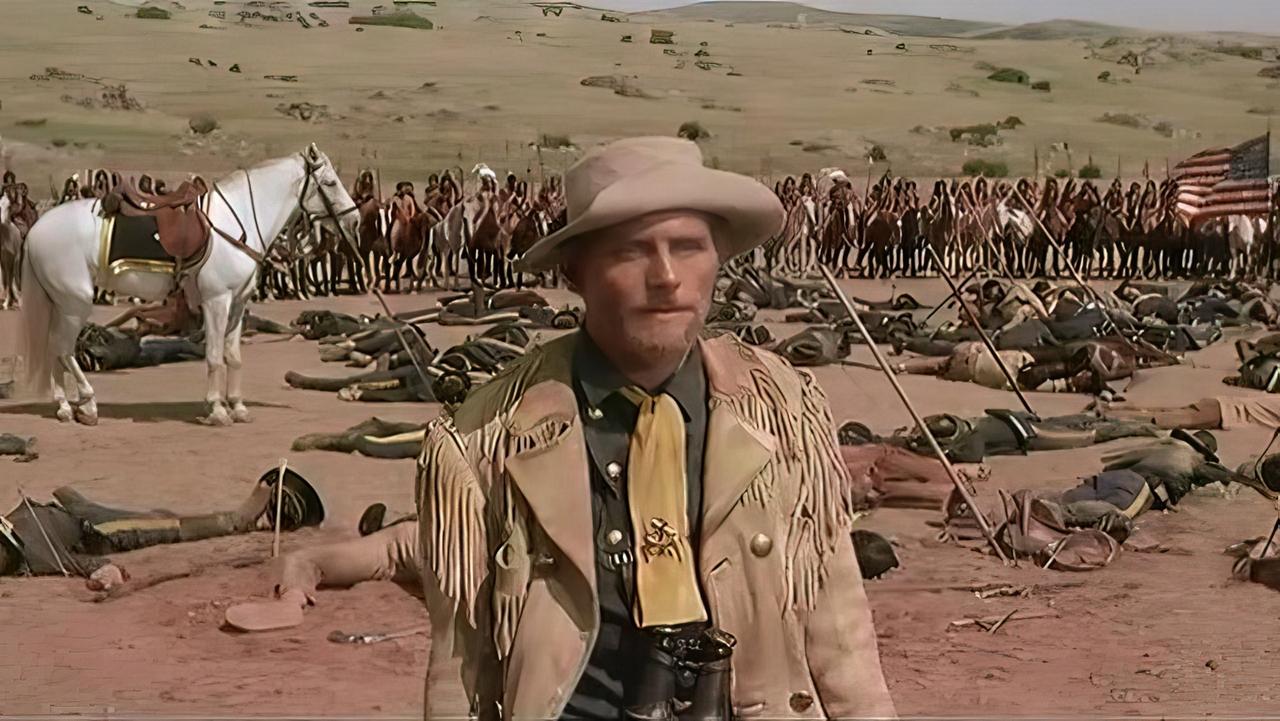
“Custer of the West” both stresses the mistreatment of the plain’s Indians by the U.S. and portrays Custer as a tragic American hero who was a puppet of government policy. The film is usually lambasted for its inaccuracies, particularly its depiction of the closing battle. For instance, in real-life Custer's soldiers surprised the Native encampment, they didn't ride up and dialogue with the waiting Indians; moreover, the battle was a chaotic one, moving toward Last Stand Hill. Yet it’s not like previous films were any more accurate, e.g. “They Died with Their Boots On” (1941), but audiences apparently demanded more accuracy by the late 60s.
Regardless, the gist of events is true: Reno and Benteen were real-life subordinate officers at odds with Custer and reportedly failed him on the day of battle, although they supposedly had justified cause. If I were Benteen, I would’ve probably done what he did in the face of Custer’s glory-hound rashness and a formidable foe: Dig in, face the enemy, and survive to fight another day. In any case, if you want historical accuracy (to a point) see “Son of the Morning Star” (1991).
The main problem I have with this movie are the Spanish locations substituting for Virginia, the Dakotas and Montana. Fortunately, the creators at least tried to find a setting with trees for Virginia and some of the locations they used for Dakota/Montana occasionally work (just occasionally). But there’s a long desert sequence when nothing of the sort exists in the region. You’d have to go far south to New Mexico/Arizona or way further west to eastern Washington to find such deserts. Yet it could be argued that the desert sequence is substituting for the Badlands of the Western Dakotas, which is certainly desert-like.
If you can ignore the disingenuous topographies, there’s a lot to appreciate in “Custer of the West.” But the film’s overlong and bogged down by tedious or useless sequences, like the capture/imprisonment of Sgt. Mulligan (Robert Ryan). But there are some gems, like when Dull Knife (Kieron Moore) pays Custer a visit at the fort (which in real life didn’t have a timber stockade). Custer bluntly conveys to the Chief the simple (awful) truth about conquerors and those they conquer: “The problem is precisely the same as when you Cheyenne decided to take another tribe's hunting ground. You didn't ask them about their rights. You didn't care if they had been there a thousand years. You just had more men and more horses. You destroyed them in battle. You took what you wanted and, right or wrong, for better or worse, that is the way things seem to get done. That's history.”
FYI: Deviating from the original script, Robert Shaw made the character of Custer over to suit himself, turning him into a “sadist of Shakespearean depth.” He also directed the battle scenes with Siodmak staging everything else.
THE MOVIE RUNS 2 hours 21 minutes and was mostly shot 30 miles from Madrid, Spain, except for the Battle of Little Bighorn which was filmed in Costa del Sol near Almira. WRITERS: Bernard Gordon and Julian Zimet with additional work by Shaw.
GRADE: C