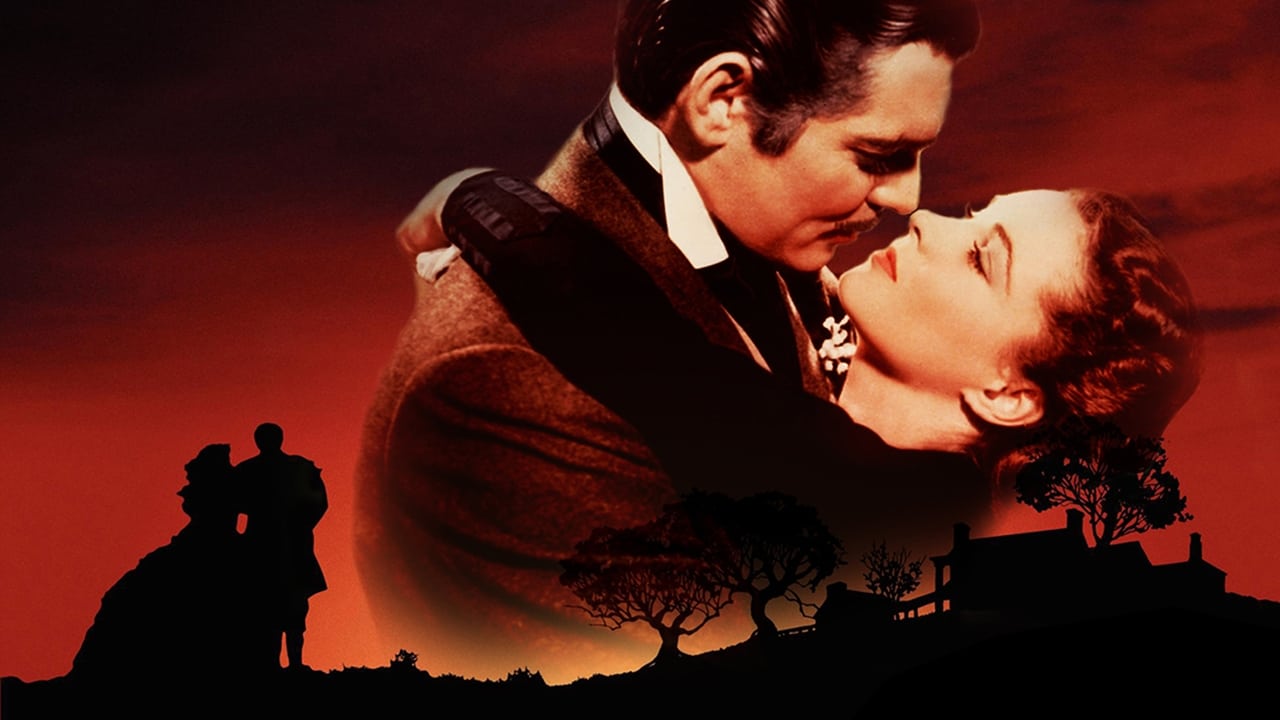
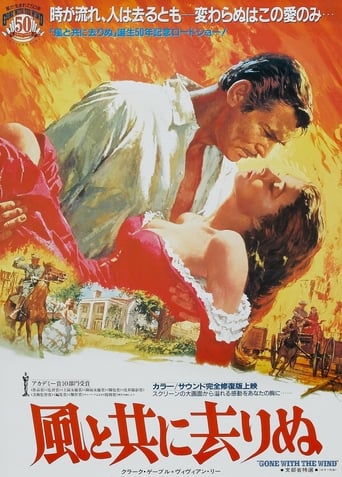
If there wasn't a word for melodrama before this film, there certainly was after it. It's a spectacular soap opera that allows some of the more memorable dialogue from English language cinema to merge with performances from a few of it's most accomplished character actors. "Scarlett" (Vivien Leigh) is the spoilt little rich gal living the life of a millionairess on her daddy's plantation and swooning over the dashing "Ashley" (Leslie Howard). Her path would seem to be set out before her, and with the Confederacy convinced that the looming Civil War would prove to be little more than a walk in the park for the gentlemen of the South, she is content. Meantime, the slightly rakish "Butler" (Clark Gable) is warning these complacent folks that with the industrial and military might predominantly in the North, they are about to get quite a surprise - and, of course, that proves red rag to a bull for a "Scarlett" who won't even contemplate any defeat. That proves to be the beginning of their love/hate relationship and swifly thereafter she faces another first - upsetting her idealic scenario as "Ashley" goes off to war. Then cousin "Melanie" (Olivia de Havilland) and her brother "Charles" (Rand Brooks) beging to further cloud things; the war doesn't go their way and she is soon penniless, living on her wits and vowing that she will never be poor again. The only way she can keep the family home "Tara" and pay the punitive taxes imposed after the war is to marry, but somehow you just know that isn't going to work out and that, in reality, there really is only one man she needs to marry. One man who wants to marry her. Talk about toxic, though. Gable plays his roguish and debonaire "Butler" to perfection. A glint in his eye and a gun in his pocket (as Mae West might have said). Leigh, likewise, is perfect for the role of the flighty but nonetheless shrewd and manipulative woman and the whole scenario shines amidst a hue of softly-focussed photography and a sumptuousness that isn't all ball gowns and pearls, but also about the flaws of human nature. There are scene-stealing supporting characters galore in here, not least Thomas Mitchell as her kindly father and Hattie McDaniel whose effort as the long-suffering maid-cum-confidante "Mammy" is as personable as any on display - especially when hard times visit "Tara". In many ways this still resonates today, illustrating quite clearly the fickleness of people; that you can't help where love takes you and that, of course, being wealthy doesn't make a marriage or a person any the happier. Set when and where it is, it's also a salutary reminder of the inhumanity visited on those slaves whose lives involved cotton and nothing else; people with no rights but who managed to maintain a sense of dignity and pride that often showed up those of their supposed "betters". It's of it's time, so there's no point in watching it to be offended by the offences it commits; that it's society condoned, and that ultimately drew this nation into a war that started it onto a long road. It's a grand piece of cinema that shows Hollywood in it's full pomp, littered with nuanced characters and immersed in a rousing score that will all help ensure that even at almost four hours long, this will be a film always to be reckoned with.