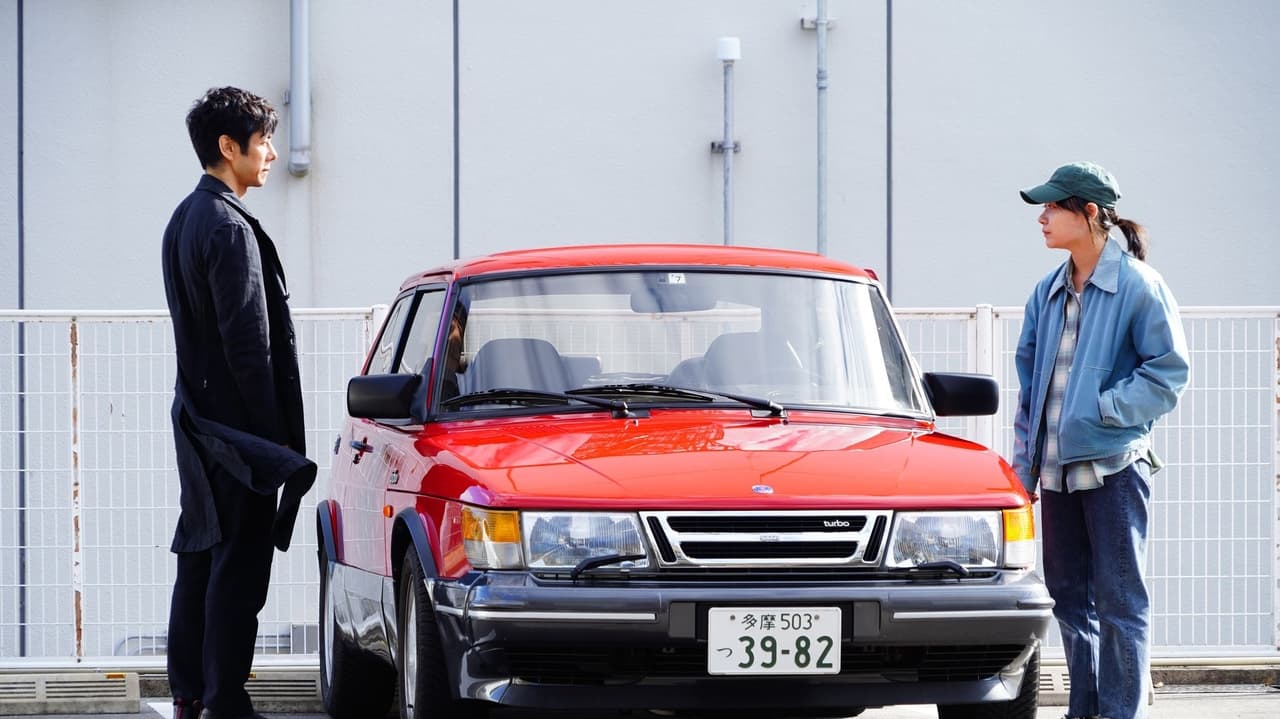
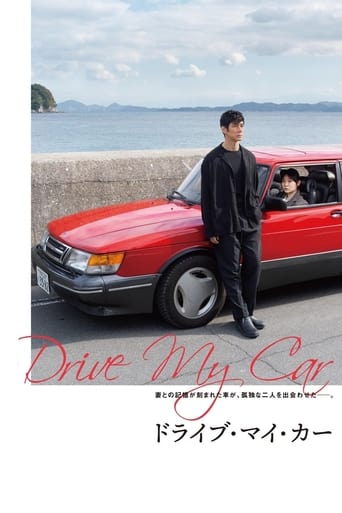
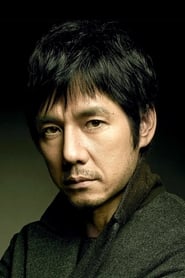
"Kafuku" (Hidetoshi Nishijima) is an accomplished stage actor who is directing a performance of Chekhov's "Uncle Vanya" with a group of young actors. He arrives at the venue in his red Saab motor car, determined that only he will drive himself. That's not the policy of the theatre, though, and soon he is placed in the capable hands of the somewhat laconic "Misaki" (Tôko Miura) and as the two start to get used to one and other, and he starts to get to know his new cast, the story unfolds revealing his past - his marriage to a famous playwright that ended in tragedy, and of his driver's own demons as the pair - entirely platonically - begin to fill the gaps left in each other's lives by times gone by. I did quite enjoy this, there are quite a few quirks to the story, not least from the handsome and curiously enigmatic 'Kôji" (Masaki Okada) whose storyline intertwines intriguingly with that of his mentor, and the film adopts a pace of it's own which you will appreciate right from the start (or not!). The dialogue is sparse though, perhaps a little too much so at times, and at almost three hours long it can feel like a bit of a slog at times. Director Ryûsuke Hamaguchi has possibly over indulged himself a little with the style of the film, it dawdles, cinematographically speaking, and I suppose at the title suggests, there are quite a few scenes suggesting that more of a road trip movie might be in order. It is still a very easy film to watch, it requires concentration and somehow the fact that it's that Chekhov play seems apposite, too. I would see it on a big screen if you can - I suspect on television even the most focussed of us might find our attention wandering after a while.