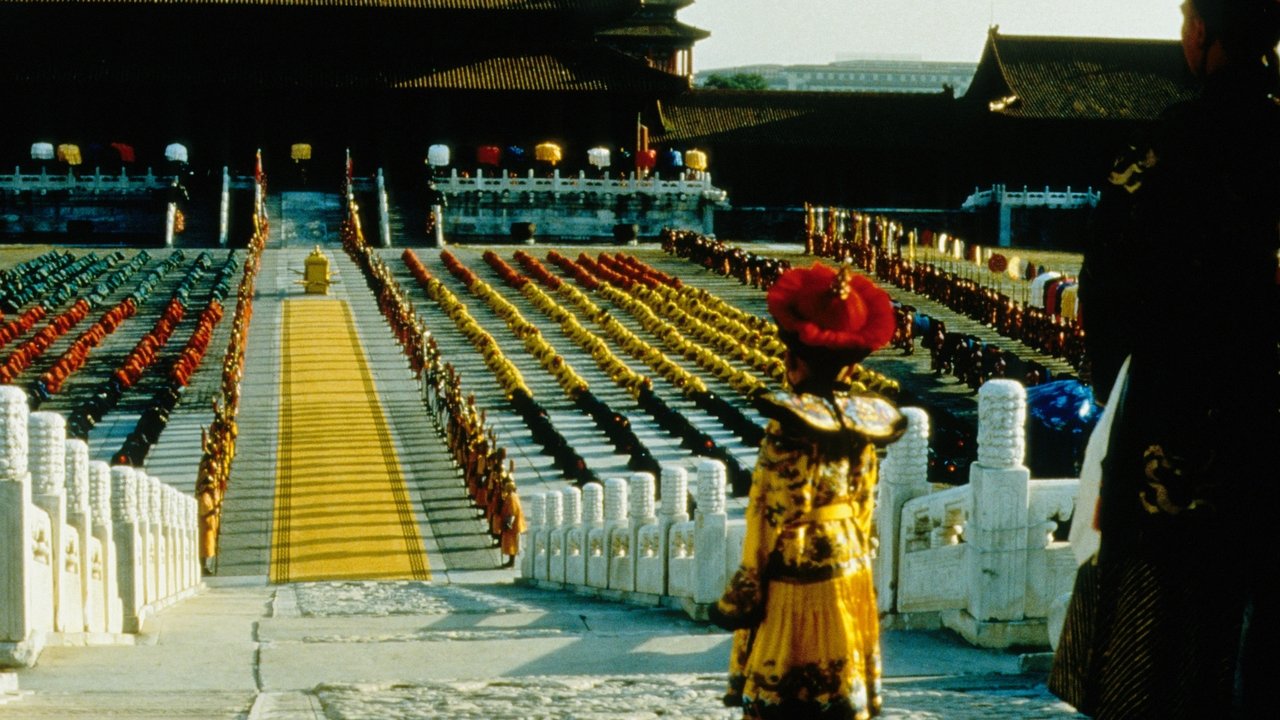
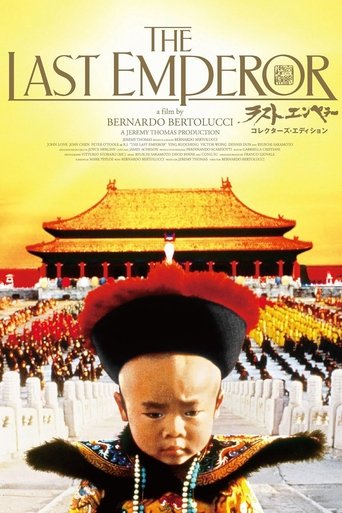
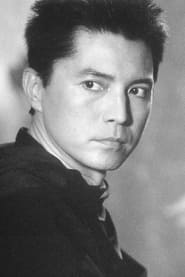
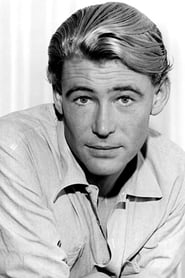
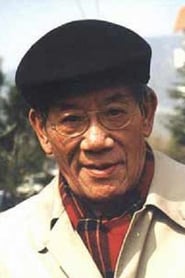
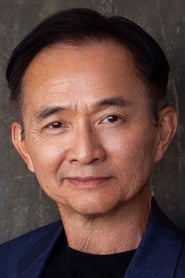
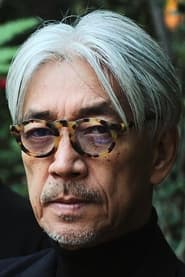
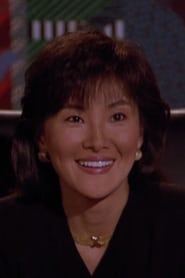
This is a glorious film to watch on a big screen. It depicts the end of empire and the birth of new ones - and it does it in a spectacularly colourful and stylish fashion. The death of the Empress Dowager sees the toddler Pu Yi ascend the Dragon Throne of China, and live amidst concubines and eunuchs in the Forbidden City. He grows up believing his is a divine right to rule, and it is only upon the arrival of his tutor RJ (Peter O'Toole) and his procurement of spectacles that his eyes begin to be opened to the reality that his kingdom is entirely enclosed within a wall of golden yellow tiles. When this idyll is disrupted by warring events outside, the Emperor (now John Lone) sone finds himself a playboy, married to an opium addict (Joan Chen) and a useful puppet of the manipulative Japanese who have invaded much of his erstwhile realm. WWII arrives, power struggles ensue and the story of his eventual - and rather brutal - reintegration into the newly established Chinese communist society is depicted sensitively and without recourse to too much melodrama or sentiment. The score adds a wonderful richness to what is undoubtedly the star of this - the cinematography. Set inside the splendour of the actual Imperial Palace complex in Peking, we get a wonderful sense of the grandeur, isolation and luxury of life inside this sumptuously decorated collection of marble and brightly painted villas whilst outside, poverty and mysticism reigned more surely than did the occupant of the throne. The costume design is also remarkable - a perfect eye for the detail of the period from the start to the middle of the 20th Century. To be honest, the acting - aside from an engaging performance from the inquisitive and mischievous three year old (Richard Vuu) is all pretty routine. O'Toole features sparingly and doesn't quite fit the bill as the learned and worldly scholar. Lone and Chen are competent but they really only shine a light on the rather stilted dialogue. This isn't really a film about words - it's a film about visuals. It's about history, politics, corruption, betrayal - and even a little bit of love - all encased in a shell of creative elegance. It's wasted on the television - but is certainly one of the best examples of "epic" cinema yet made and Bertolucci has clearly invested a great deal of himself in this beautiful piece of drama. A must see, I'd say.