FindKey

FindKeyは、100万件を超える映画・ドラマ作品、そして数百万人の人物データと独自の16類型CTI診断を統合した、日本初の感情特化型映画レコメンドエンジンです。

Find (見つける) + Key (鍵・正解)

映画に限らず、人生のヒントを見つける場所です。

FindKeyについてロケ地 (試験中)利用規約プライバシーポリシーお問い合わせ
© 2026 Bennu Inc.TMDB Logo

本サービスはTMDB APIを利用していますが、TMDBによる推奨・認定を受けたものではありません。

HAPPYEND
HAPPYEND

HAPPYEND

20241h 53m★ 6.9ドラマファンタジーサイエンスフィクション

あらすじ

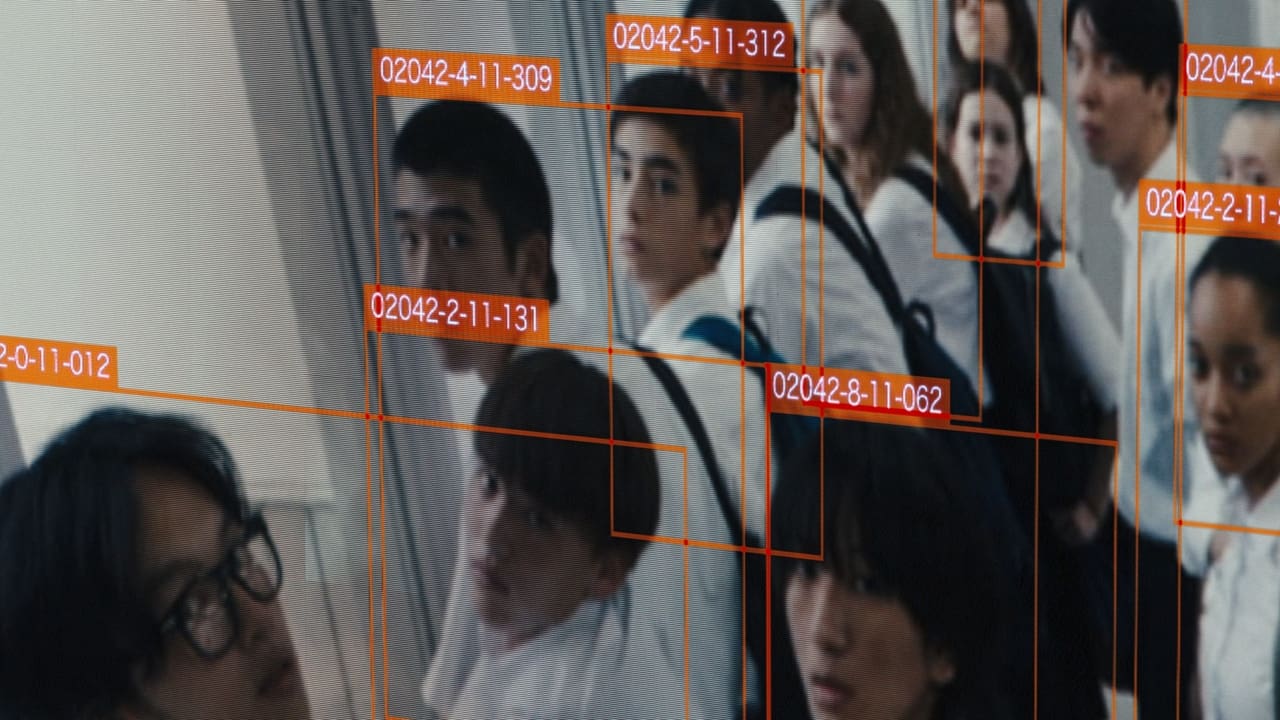
今から××年後、日本のとある都市。幼なじみで大の親友のユウタとコウ。高校卒業間近のある晩、2人は仲間たちと一緒に学校に忍び込み、そこでユウタはふと思いついたいたずらを実行。翌日、そのいたずらを発見した長井校長は激怒し、学校に四六時中、生徒を監視するAIシステムを導入する一大騒動へと発展。その是非を巡って、生徒と教師、さらには生徒同士の間でも意見が分かれ、ユウタとコウの関係もぎくしゃくし始める。

作品考察・見どころ

近未来を舞台にしながら、本作が放つのは今を生きる若者たちの剥き出しの呼吸そのものです。空木監督による瑞々しくも静謐な映像美は、友情のきらめきと社会の閉塞感を見事に同居させています。主演の栗原颯人と日高由起刀が魅せる、言葉を超えた身体的な共鳴は、演技という枠を超えて観る者の心を震わせ、青春の危うい均衡を鮮やかに体現しています。 システムによる監視が強まる中で、「幸せ」の形を問い直す強烈なメッセージ性が本作の核です。単なる社会風刺に留まらず、変化する日常の中で他者と繋がろうとする彼らの姿は、不確かな現代を生きる私たちへの切実な祈りのように響きます。静かなる抵抗と友情の極北を描いたこの傑作を、ぜひスクリーンで体験してください。

興行成績

興行収入: $794,500 (1億円)

※製作費・興行収入はTMDBのデータを参照しています。収支は(興行収入 - 製作費)で算出したFindKey独自の推定値であり、広告宣伝費や諸経費は含まれません (1ドル=150円換算)。

口コミ

あなたの評価を記録する

予告・トレイラー

配信サービス

レンタル・購入

Amazon Video
Apple TV Store
FOD

キャスト

栗原颯人
栗原颯人
Yūta
Yukito Hidaka
Yukito Hidaka
Kō
林裕太
林裕太
Ata-chan
Shina Peng
Shina Peng
Ming
Arazi
Arazi
Tomu
祷キララ
祷キララ
Fumi
中島歩
中島歩
Okada
矢作マサル
矢作マサル
Taira
PUSHIM
PUSHIM
Fukuko
渡辺真起子
渡辺真起子
Yoko

スタッフ・制作会社

監督: 空音央

脚本: 空音央

音楽: Lia Ouyang Rusli

制作: Robina Riccitiello / 山崎エマ / Douglas Choi

撮影監督: Bill Kirstein

制作会社: Cineric Creative / Cinema Inutile / Zakkubalan / K-Garage / Sons of Rigor Films / Spark Features / Purple Tree Content / Giraffe Pictures

TMDB ユーザーのレビュー

CinemaSerf
CinemaSerf
★ 7

There’s something quite Orwellian about this futuristic drama set in a Japan living under the threat of a once-in-a-century earthquake that could devastate the place. First to capitalise on this paranoia is the Prime Minister who passes a series of decrees that limit the movement and freedoms of most of the population. This proves especially troublesome for a group of high school students who, after pulling a prank on the principal, find themselves very much in his firing line. Initially their mischief, and their love of music, keeps the group together but when “Yuta” (Hayato Kurihara) and best pal “Kou” (Yukito Hidaka) start to drift apart, the dynamic of the group starts to change. “Yuta” is associating more with the focussed “Fumi” (Kilala Inori) and other students determined to rebel against the increasingly authoritarian regime whilst his pals are enjoying what’s left of their final year. Things come to an head when some of the students stage a sit-in in the principal’s office and the original group of happy-go-lucky mischief makers realise that adulthood is beckoning and there is no going back. The film itself is really nothing much to write home about, but what it attempts to deal with is more interesting: the State relying on a combination of fear and apathy by the general public; professionals who have to play the political game to keep their jobs and improve their school and the gradual realisation amongst hitherto joined-at-the-hip teenagers that they may have to go their separate ways. That’s proving quite a wrench for not just the two boys here, but for some of the others whose hormones are rather uncertainly making their presence felt. The acting and writing is all adequate, nothing really more, but there are some fun scenes to compensate - usually from the kilt-clad “Ata-Chan” (Yûta Hayashi) and some of the expressions on the face of their head teacher (Shirô Sano) raise a smile too. Logistically, I’m not at all sure just how they could ever have carried out their mischief in the first place, but this isn’t really a film that stands too much scrutiny. It’s more of an introductory guide to life when things start to become a little more grown up.

Brent Marchant
Brent Marchant
★ 6

Maturing into adulthood can be difficult enough in itself without the impact of extraneous deleterious circumstances. But, when such conditions are added to the mix, it can make the process mind-boggling for those who lack the wisdom, experience and insights to know how to cope with them on top of everything else they’re already going through. That’s the essential premise underlying the narrative in this latest offering from writer-director Neo Sora. The film presents a coming of age tale set in a version of Tokyo of the near future in which the imminent threat of a mega-earthquake has the population constantly on edge. This scenario is made increasingly volatile by an authoritarian conservative government imposing invasive surveillance and policing measures said be in the interest of public safety but that, coincidentally, are principally targeted at the city’s youth, minorities and protesting activists. The story is told from the perspective of five outspoken, rambunctious high school students approaching graduation (Hayato Kurihara, Yukito Hidaka, Yȗta Hiyashi, Shina Peng, Arazi) as they attempt to make sense of their ever-changing lives, as well as the chaotic environment in which they’re currently living, one that’s precariously on the precipice of sliding into a dystopian future, despite whatever precautions officials are implementing. From this description, it would seem that this foundation should provide the basis for an intriguing picture. However, this intriguing setup aside, “Happyend” frequently comes across as meandering and unfocused. Perhaps the intent behind this approach is to create a storyline innately reflective of the characters’ confused mindsets and baffled outlooks, but it only works for a while before eventually turning tedious and directionless. As a consequence, that leaves viewers wondering what they’re supposed to make of all this. In the film’s defense, this release could be seen as a cautionary tale in light of recent events in our own world, especially where matters of compliance, fear mongering and intolerance toward certain designated segments of society are concerned, an attribute in its favor that should provide us all with ample food for thought. But is that enough to make this project work? I’d contend not, despite whatever sincere intentions may have been in the filmmaker’s mind. We’d be wise to pay attention to the urgency behind the message here, though it likely would have had greater impact if the production had been more sharply focused, especially since the time available to take meaningful steps to prevent the kinds of looming catastrophes depicted here could be running out more quickly than we’d like to believe.
おすすめの作品