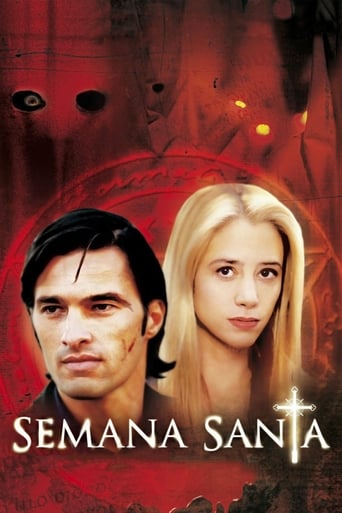
Semana Santa
あらすじ
No synopsis available.
原作・関連書籍
映画化された原作や関連書籍を読んで、映像との違いや独自の世界観を楽しみましょう。
スタッフ・制作会社
監督: Pepe Danquart
脚本: Roy Mitchell / David Hewson
No synopsis available.
映画化された原作や関連書籍を読んで、映像との違いや独自の世界観を楽しみましょう。
監督: Pepe Danquart
脚本: Roy Mitchell / David Hewson
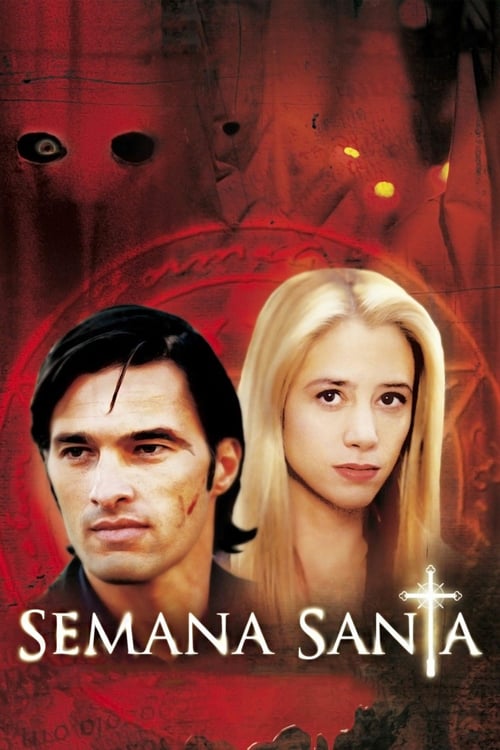
Angel of Death (original title: Semana Santa, 2001) is set during the week leading up to Easter in Sevilla, Spain, where it was shot on location. There isn’t much in the way of local color, though. The filmmakers threw in some bullfighting stuff because that’s what Spanish people do, right? It doesn’t help that the English-speaking leads are an American actress and a French actor pretending to be Spaniards. At least Olivier Martinez is European; Mira Sorvino, conversely, is as unconvincing a María Delgado as she was a Marta Ferrer in Whit Stillman’s Barcelona. It boggles the mind that someone cast her as a native Spanish woman once, let alone twice. Actually, everybody speaks English in Angel of Death. I’d be willing to assume that the characters are simultaneously speaking Spanish among themselves and English for the benefit of the audience (sort of a tacit, real-time dub job, although I would still prefer Spanish-speaking Spanish actors), but then what language are they speaking when they slip in a Spanish word or two? The dialogue must be consistent to maintain the illusion, and this macaronic stuff simply won’t do. Angel of Death is, or rather it should be, a Se7en clone. There are seven deadly sins; similarly, there are seven Semana Santa days (well, eight days, but you get the idea). This is not without potential, considering the rich tradition, meaning, and pageantry behind Holy Week, especially in a Catholic, first-world, European country. Unfortunately, writer Roy Mitchell and director Pepe Danquart didn’t know or care that each Holy Week day has a unique significance that, properly researched and incorporated into the plot, could have indeed made their movie the Se7en of Easter-related thrillers instead of a half-assed knockoff. There are just two or three murders here, and only the first has a religious theme, with the bodies arranged to resemble a painting of Saint Sebastian — a popular martyr who nonetheless lived and died (according to legend) almost three hundred years after the Passion and Resurrection of Christ, which is what Holy Week is supposed to commemorate. I don’t mind that the filmmakers were heathens, but couldn’t they at least get their martyrs straight? Inspector Quemada (Martinez) wonders whether the first murder is a “message.” Not really, but the second one sure is. Unceremoniously stabbing someone in the eye is the killer’s way of saying, “I’m through staging elaborately symbolic crime scenes because the scriptwriter ran out of ideas after the first one.” This renders the whole Saint Sebastian thing not only off the mark but also totally pointless. The killer dresses like a penitente. If you don’t know what a penitente looks like, picture a Klansman wearing red instead of white. Cumbersome as this attire may or may not be, I understand that, in theory, it allows him to blend in with the myriad other penitentes roaming the crowded streets. I say “in theory” because I don’t think there’s a single scene illustrating that possibility. What penitentes are and do is one more thing about Holy Week you will not learn from watching this movie.