ヌードの映画史~黎明期から現代へ~
あらすじ
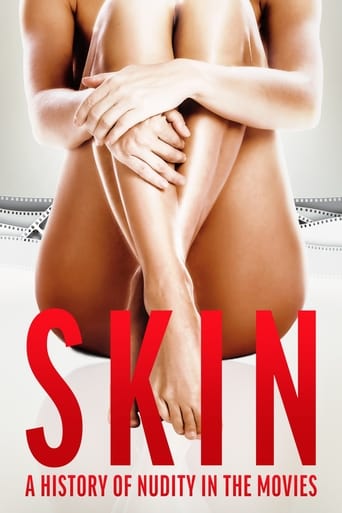
人間のヌード(裸体)を撮影した芸術は、映画が発明される前から存在。それから1世紀以上にわたってそうした映画群を、俳優などの映画人・映画研究家のコメント、豊富な映像・写真、有名作品を駆使して紹介するのが本作。MeToo運動を機に、21世紀から世界の映画界では俳優のヌードやセックス場面の扱いが慎重になったことを紹介する一方、ヌードで出演したことがある俳優など、表現の自由とともにヌードやセックス場面の必然性を語る映画人も多く、見る者を大いに考えさせる。
人間のヌード(裸体)を撮影した芸術は、映画が発明される前から存在。それから1世紀以上にわたってそうした映画群を、俳優などの映画人・映画研究家のコメント、豊富な映像・写真、有名作品を駆使して紹介するのが本作。MeToo運動を機に、21世紀から世界の映画界では俳優のヌードやセックス場面の扱いが慎重になったことを紹介する一方、ヌードで出演したことがある俳優など、表現の自由とともにヌードやセックス場面の必然性を語る映画人も多く、見る者を大いに考えさせる。
More of a "greatest hits" of nudity in film than a balanced examination of the subject. This is not surprising considering that one of the producers of the documentary as well as an interview subject is Mr. Skin, who operates a website that features clips of movie nude scenes. The documentary starts off reasonably well by discussing the earliest appearances of nudity in film and the forces inside and outside the motion picture industry that tried to suppress nudity and realistic depictions of sexuality on the screen. The time of the Production Code and its many restrictions on content is foundational to our understanding of the more permissive policies of today. However, once the film moves into the 1960s and the establishment of the modern rating system, it starts to lose its focus. Instead of selecting clips specifically to examine changing attitudes toward nudity and the disparate way that it is used in film, the filmmakers have chosen instead to highlight a series of "favorite" nude scenes through a mostly male gaze. Invariably this means a plethora of nude scenes involving young, attractive women with a few notable exceptions. For example, the famous fantasy pool scene from "Fast Times at Ridgemont High" in which Phoebe Cates removes her bikini top in slow motion might delight fans of the female form, but it's not clear what it has to do with changing attitudes toward nudity. On the other hand, a clip of Kathy Bates baring all in a hot tub in "About Schmidt," or two men parading around naked in "Borat," seemed to be included only for amusement rather than to examine the various double standards and contradictions regarding who appears nude in a film and for what purpose. A welcome addition to the film would have been discussions with social scientists, feminists, educators, parents, intimacy coordinators, nudists, and religious conservatives to get a fuller and more nuanced look at the subject. Another important element missing was more basic. No one in the film really asks the question: "What is nudity?" The latter is particularly true as it relates to different definitions based on the age and gender of the subject. Nudity in film is certainly a worthwhile subject to be explored, because of all of its social, cultural, and political ramifications. The key is to find the right balance between different perspectives and explore them with a discerning eye. In the earlier part of the film, it is mostly successful, but in the modern section of the film, the filmmakers seem more interested in the visual appeal of (mostly female) nudity and not the many underlying issues around it.