FindKey

FindKeyは、100万件を超える映画・ドラマ作品、そして数百万人の人物データと独自の16類型CTI診断を統合した、日本初の感情特化型映画レコメンドエンジンです。

Find (見つける) + Key (鍵・正解)

映画に限らず、人生のヒントを見つける場所です。

FindKeyについてロケ地 (試験中)利用規約プライバシーポリシーお問い合わせ
© 2026 Bennu Inc.TMDB Logo

本サービスはTMDB APIを利用していますが、TMDBによる推奨・認定を受けたものではありません。

★ 8.4Sci-Fi & FantasyAction & Adventureドラマ謎

あらすじ

宇宙…そこは最後のフロンティア。これは宇宙戦艦エンタープライズ号が、新世代のクルーのもとに24世紀において任務を続行し、未知の世界を探索して新しい生命と文明を求め、人類未到の宇宙に勇敢に航海した物語である。

作品考察・見どころ

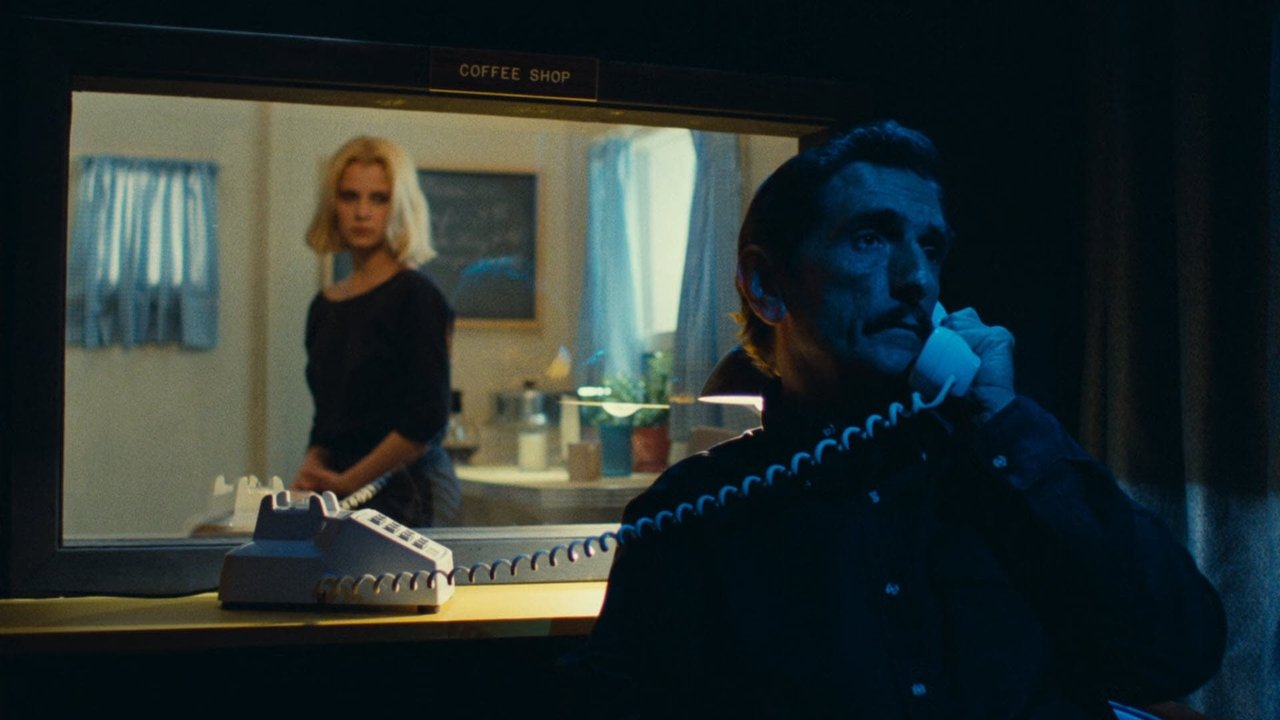
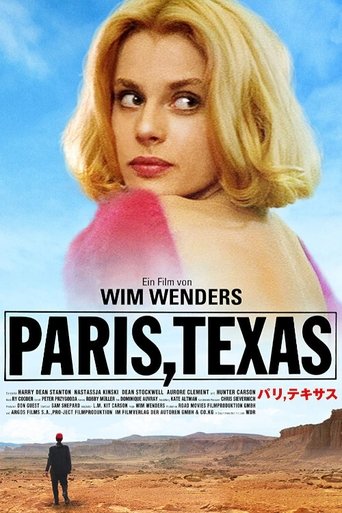
ヴィム・ヴェンダースが捉えたのは、魂の彷徨と再生という極めて普遍的な情景です。ロビー・ミューラーによる圧倒的な撮影美は、テキサスの乾いた荒野を孤独のメタファーへと昇華させ、ライ・クーダーの哀愁漂うスライドギターが、言葉にならない心の震えを代弁します。沈黙で多くを語るハリー・ディーン・スタントンの枯れた演技は、観る者の胸を締め付け、人間が抱える根源的な寂寥感を浮き彫りにしています。 特筆すべきは、マジックミラーを隔てて対峙するクライマックスです。鮮烈な赤と青の色彩に彩られた空間で、ナスターシャ・キンスキーの透明感溢れる美しさが、失われた過去の象徴として輝きます。隔てられた壁を越えようとする言葉の対話は、コミュニケーションの不全と、それでもなお求め合わずにはいられない愛の切実さを描出しており、映像詩としての究極の境地に達しています。

口コミ

あなたの評価を記録する

予告・トレイラー

キャスト

パトリック・スチュワート
パトリック・スチュワート
Jean-Luc Picard
Jonathan Frakes
Jonathan Frakes
William T. Riker
ブレント・スピナー
ブレント・スピナー
Data
LeVar Burton
LeVar Burton
Geordi La Forge
Michael Dorn
Michael Dorn
Worf
マリーナ・サーティス
マリーナ・サーティス
Deanna Troi
Gates McFadden
Gates McFadden
Beverly Crusher

スタッフ・制作会社

音楽: Alexander Courage

制作: Robert H. Justman / Jeri Taylor / Rick Berman

制作会社: Paramount Television / Norway Corporation

TMDB ユーザーのレビュー

CinemaSerf
CinemaSerf
★ 7

Harry Dean Stanton is on cracking form here the amnesiac "Travis". He turns up in a Texan clinic dressed in a striped suit, but recalling little for the slightly roguish doctor who helps him after some dehydrating time in the desert to use to help identify him. A tiny scrap of paper in his wallet enables him to, though, and soon "Walt" (Dean Stockwell) arrives to try and get his long-lost brother back to his own home in Los Angeles. As the story now gradually unfolds, we discover that "Travis" has a son who lives with "Walt" but we are unsure as to just what has led him to his current, absent-minded, predicament. Unwilling to fly, the two take the long road trip back getting to know each other and slowly building a renewed sense of trust before he is to be re-introduced to the son (Hunter Carson) he hasn't seen for four years and who requires some answers of his own. The last half hour brings the threads together neatly, if a little conveniently, allowing a few brief appearances from Nastassja Kinski that brings the story of "Travis" and his trauma full circle. To be honest, I found the actual plot rather weak, indeed the story isn't up to much at all really - it's the performance from HDS that is measured and engaging. His flawed character gradually comes out of his self-induced shell as it seems he is learning about himself almost at the same pace as we are - and that makes the film compelling for the most part. It's a story that takes it's time, and watching it I found it did take me a few minutes to get myself into a suitably low gear to appreciate it. It's isn't a plod, or a slow watch - it is a nuanced, occasionally amusing, search for identity - oh, and for a field in Paris, Texas!

Filipe Manuel Neto
Filipe Manuel Neto
★ 7

**A film full of qualities, but which will not please the general public.** There are films that are made for commercial audiences and others that are clearly made to please specialized critics and film theorists. Although this film was present on the commercial circuit, the truth is that Wim Wenders directed this film for critics and film festival audiences, and this explains why critics love it and why the general public hardly knows this work. . About me? To be quite honest, I didn't particularly like the film, and it's not the kind of film I like to watch or watch with pleasure. However, I am the first to recognize that it is a work full of artistic and technical qualities, and that it deserves a close look by any student and fan of the seventh art. The plot revolves around a man who spent four years wandering through desert areas of Texas due to a huge psychological shock. We don't know what he suffered, but it is obvious that he is not well when he is finally rescued by his brother, and he spends a long time without saying a word, just trying to resume his march to nowhere. As the plot develops, we understand the emotional void he feels and desperately seeks to fill. The reunion with his son, whom he hadn't seen for years, will mark the beginning of a journey of inner healing, of reuniting with himself and the hurts of his past. The idea of family, the crisis of moral and social values, the role of men and women in marriage and the absence of feelings are themes that the film, very discreetly, addresses throughout the story it tells us. Anyone who wants to see this film should prepare themselves for a long, very visual experience: the film is a grueling two and a half hours long and the action is quite slow. Wenders, who even thought about becoming a painter, likes to work very carefully on the visual and pictorial side of his films, and the slow action allows him, in this specific case, to explore to the maximum the visual beauty of desert scenes or urban landscapes. of Texas, where the action is concentrated. Do I need to say that the choice of sets and filming locations was one of the aspects that I liked most? Thanks to a good cinematography job, each one looks even more beautiful, wild and rude. Harmonizing perfectly with all this, the soundtrack, on guitar, plays a little with the Wild West and with the melodies that we usually associate with the Western style. In addition to a very well done and solid plot, and good visual and technical values, the film also features the extraordinary work of Harry Dean Stanton. The actor has never been one of those stars that draws crowds, but he has quality and gives us here, probably, the best work of his film career. He is solid and impactful enough to capture our full attention with a minimum of words and facial expressions, and he doesn't say a word or change his facial expression during the first half hour of the film. The film also has excellent contributions from Dean Stockwell and Nastassja Kinski, and even young Hunter Carson does a well-done job. However, the stage is all Stanton's.
Axel
Axel
★ 6

I discovered Paris, Texas through Letterboxd's Top 250 Films with Most Fans, having never heard of it before. The 8.1 IMDB rating caught my attention, so I decided to give this acclaimed film a shot. What Worked The film starts genuinely intriguing. Travis's complete silence in the opening act was captivating - Harry Dean Stanton delivers a convincing portrayal of someone emotionally hollowed out by four years of isolation. His emotionless face perfectly captures that shell-shocked quality. I was particularly drawn to the early domestic scenes, like when Travis starts polishing boots at his brother's house, and there were hints of tension when Walt's wife seemed a bit too flirty with him. I thought something compelling might materialize from that dynamic. The cinematography deserves praise - watching those American Southwest landscapes in Blu-ray quality was genuinely beautiful. The visuals really pop, and Ry Cooder's guitar score effectively establishes that southwestern mood with its twangy, atmospheric sound. Where It Lost Me The momentum completely died when Travis tried to pick up Hunter from school. Up until that point, I was invested in the mystery: what happened during those four missing years? Unfortunately, the film abandons this intriguing setup in favor of a more conventional family reunion story that felt pedestrian. The famous peep show booth scene between Travis and Jane left me cold. While Jane showed some emotional range as the conversation progressed, Travis remained frustratingly robotic - it felt like he was reading from a script rather than having a genuine emotional breakthrough. The scene dragged without delivering the psychological depth it clearly aimed for. It's nowhere near the caliber of something like the psychologist scenes in Monsters: The Lyle and Erik Menendez Story Final Verdict Paris, Texas suffers from prioritizing mood and atmosphere over compelling storytelling. While I typically don't mind slower-paced films, this one felt too empty, too "nothing happening for 2.5 hours." The runtime could definitely be trimmed, though I understand some scenes were meant to develop character relationships. If I could change one thing, I'd focus more on the mystery of Travis's disappearance rather than his quest to reunite his fractured family. The beginning promised something more psychologically complex than what we ultimately got. The film might resonate with viewers from another era or those who prefer European art cinema's contemplative approach, but for modern audiences seeking more substantial plotting, it's hard to recommend. A solid 6/10 - not bad, but certainly not deserving of its lofty reputation.

Wuchak
Wuchak
★ 4

**_Artsy but tedious road flick in the Southwest_** Written by Sam Shepard and shot in late 1983, this meshes elements of Coppola’s “The Rain People” with Paul Schrader’s “Hardcore” and a little “The Last Picture Show.” While it generally failed at the box office, it has since garnered an impressive following and is highly rated on the internet. For me, it’s the least of those movies. Sure, it’s well made and artistic with creatively communicated messages, such as Travis’ meeting the “screaming man” on the long bridge, which represents what he himself went through before going mute. Now he’s recovering and has compassion for the raving soul. Unfortunately, the entire first half drags and Travis (Harry Dean Stanton) simply isn’t an interesting enough character on which to blow so much time. The second half finally stirs up attention with the revelations concerning Jane (Nastassja Kinski), yet the ensuing confrontation also bogs down, which isn’t helped by an uninspiring ending. I did enjoy seeing Aurore Clément though, aka Capt. Willard’s romantic interest in the controversial French Plantation sequence of “Apocalypse Now” (cut from the original theatrical release, but replaced in subsequent editions, like “Redux”). It's overlong at 2 hours, 27 minutes; and was shot in Texas and SoCal. GRADE: C/C-

おすすめの作品