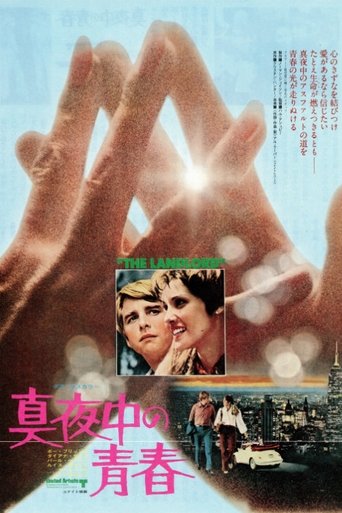
The Landlord
あらすじ
No synopsis available.
予告・トレイラー
原作・関連書籍
映画化された原作や関連書籍を読んで、映像との違いや独自の世界観を楽しみましょう。
No synopsis available.
映画化された原作や関連書籍を読んで、映像との違いや独自の世界観を楽しみましょう。
監督: ハル・アシュビー
脚本: Kristin Hunter / Bill Gunn
音楽: Al Kooper
制作: Norman Jewison / Walter Mirisch
撮影監督: ゴードン・ウィリス
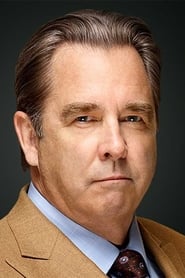
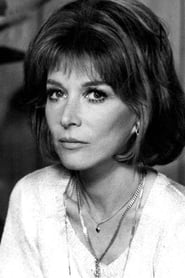
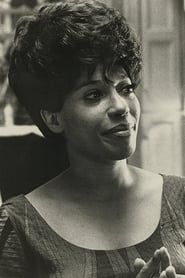
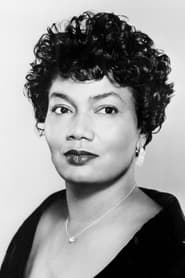
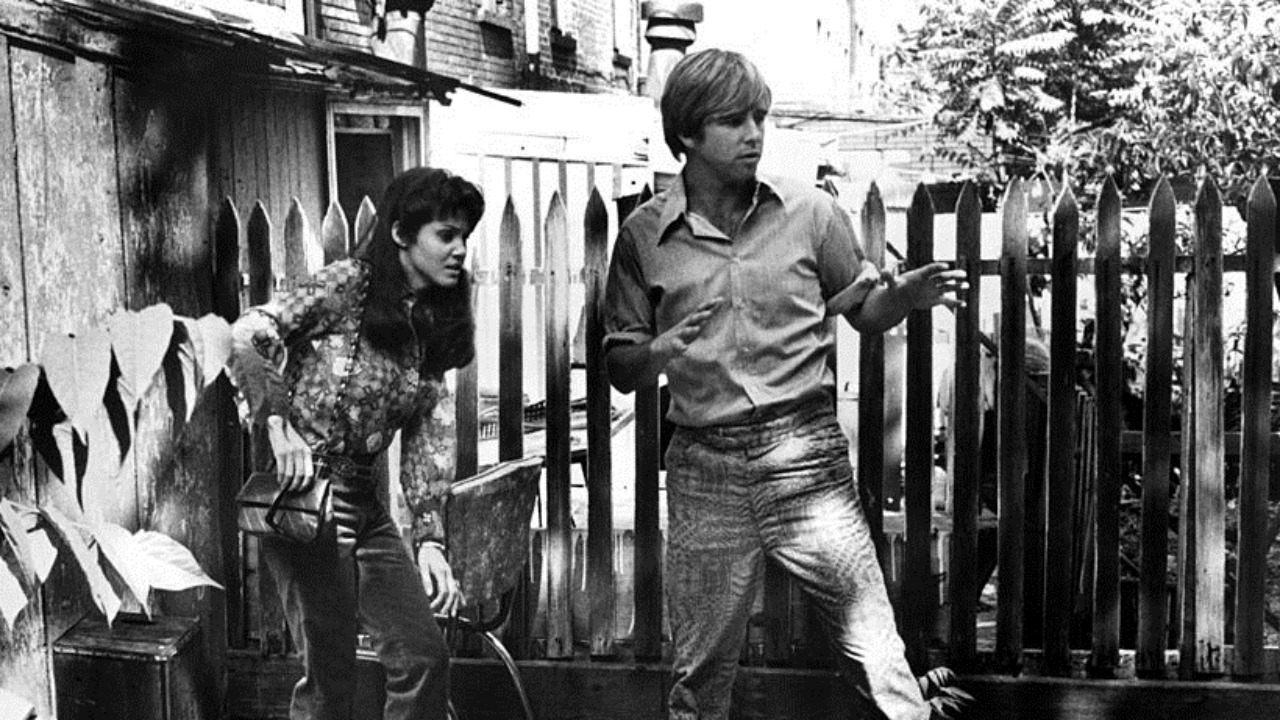
I don’t suppose you call your kid “Elgar” and expect him to grow up shining shoes so this one (Beau Bridges) has spent nearly all of his thirty years living with his parents in their New York mansion house. Then one day, on a whim, he buys an old Brooklyn brown-stone that is already occupied by a disparate collection of African Americans who have only a passing interest in paying the tent. Initially, he just wants to gentrify the place but gradually he begins to get used to his eclectic mix of tenants and they to him, and then he begins to befriend “Fanny” (Diana Sands) who is married to the lively activist “Copee” (Louis Gossett Jnr) and “Lanie” (Marki Bey) before he also rather recklessly invites his strongly-willed mother (Lee Grant) round to meet the gang and do some decorating. The scene is now set for chaos to abound tempered with a little free-love and some difficulty with race relations as events take a much more complicated turn that requires “Elgar” to do some growing up, at last. This is probably my favourite film from any of the Bridges clan and Beau really takes to the role. His character’s naïve and gullible nature, coupled with his sense of entitlement evolves into something altogether more likeable and he plays that with an amiable innocence that raises a laugh and an heckle in equal measure. It is sharply written to subtly take a swipe at racial intolerance (going both ways) and both the on-form Clark and Bey contribute strongly to help emphasise the thrust of the plot without shoving it down anyone’s throat. It’s a rapidly-paced comedy about clashes of cultures and attitudes that works really quite well.