FindKey

FindKeyは、100万件を超える映画・ドラマ作品、そして数百万人の人物データと独自の16類型CTI診断を統合した、日本初の感情特化型映画レコメンドエンジンです。

Find (見つける) + Key (鍵・正解)

映画に限らず、人生のヒントを見つける場所です。

FindKeyについてロケ地 (試験中)利用規約プライバシーポリシーお問い合わせ
© 2026 Bennu Inc.TMDB Logo

本サービスはTMDB APIを利用していますが、TMDBによる推奨・認定を受けたものではありません。

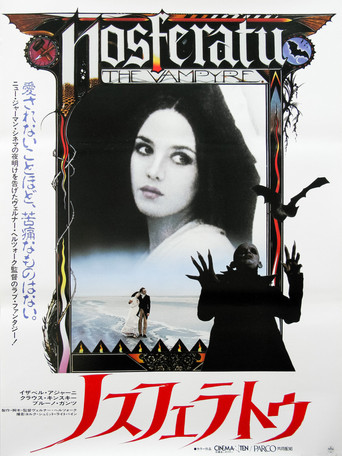
ノスフェラトゥ
ノスフェラトゥ

ノスフェラトゥ

19791h 47m★ 7.3ドラマホラー

あらすじ

サイレント映画期の名作「吸血鬼ノスフェラトゥ」(1922)のリメイク。 19世紀のドイツ。主人公は上司からトランシルヴァニアに住むノスフェラトゥ伯爵との不動産取引をするように命じられる。愛する妻を残してトランシルヴァニアに向かうが、途中に立ち寄った村で「ここから先には悪魔が住んでいる。行かない方がいい」と警告される。真夜中にノスフェラトゥ伯爵の城に到着した主人公は伯爵から歓待されるが、伯爵は主人公の妻の写真に強く興味を頂く。そして主人公の切った指から出た血に吸い付くのだった。契約を済ませ、主人公が目を覚ますとあらゆる扉には施錠がされていて、城の外に出ることは出来なかった。城の中を探索すると、地下室で棺桶の中で眠る伯爵を発見する。そしてその夜、伯爵は土とネズミを入れた幾つもの棺桶を共に一人ドイツを目指す。その姿を城の中から見た主人公は、伯爵が自分の妻を狙っていることを感づく。彼はシーツを結びロープの代わりに城の外に脱出。伯爵を追うのだが・・・

作品考察・見どころ

AIが作品の魅力を深く読み解いています

興行成績

製作費: $1,400,000 (2億円)

興行収入: $3,451 (0億円)

推定収支: $-1,396,549 (-2億円)

※製作費・興行収入はTMDBのデータを参照しています。収支は(興行収入 - 製作費)で算出したFindKey独自の推定値であり、広告宣伝費や諸経費は含まれません (1ドル=150円換算)。

口コミ

あなたの評価を記録する

Hulu
FOD

予告・トレイラー

配信サービス

サブスクリプション

Hulu
FOD

レンタル・購入

Amazon Video

キャスト

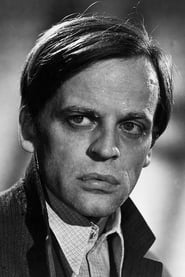
クラウス・キンスキー
クラウス・キンスキー
Count Dracula
イザベル・アジャーニ
イザベル・アジャーニ
Lucy Harker
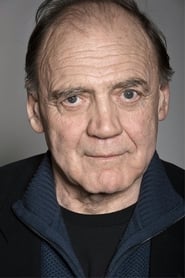
ブルーノ・ガンツ
ブルーノ・ガンツ
Jonathan Harker
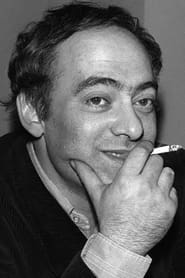
Roland Topor
Roland Topor
Renfield
Walter Ladengast
Walter Ladengast
Dr. Van Helsing
No Image
Martje Grohmann
Mina
No Image
Carsten Bodinus
Schrader
No Image
Beverly Walker
Abbess
Jacques Dufilho
Jacques Dufilho
Captain
Clemens Scheitz
Clemens Scheitz
Clerk

スタッフ・制作会社

監督: ヴェルナー・ヘルツォーク

脚本: Bram Stoker / ヴェルナー・ヘルツォーク / Henrik Galeen

音楽: Richard Wagner / Florian Fricke

制作: Daniel Toscan du Plantier / Michael Gruskoff / ヴェルナー・ヘルツォーク

撮影監督: Jörg Schmidt-Reitwein

制作会社: Werner Herzog Filmproduktion / Gaumont / ZDF

TMDB ユーザーのレビュー

CinemaSerf
CinemaSerf
★ 7

"Harker" (Bruno Ganz) travels to remote Transylvania where he is to help "Count Dracula" (Klaus Kinski) buy a new home in his hometown of Wismar. Why? Well that's because he has fallen in love with a photograph of his beautiful wife "Lucy" (Isabelle Adjani) and has determined to make her his immortal bride. "Harker" had been warned by the locals of the dangers of visiting the "Count" but he pressed on regardless, so ought not to have been surprised when his host absconds from his castle on a schooner laden with coffins, soil and a deadly plague of rats so he can ensnare his innocent young wife. Can he race back home in time to thwart this evil? There's nothing especially new about the chronology of the story here, it's the characterisation of the vampire that helps this stand out. It's obvious from the start that "Dracula" is not of human kind. Contrasting with most interpretations of the title role, Kinski and Warner Herzog attempt to imbue "Dracula" with a degree of humanity. He doles out his lusts left, right and centre upon the innocent, spreading plague and disaster wherever he goes, but he too is cursed. By his own immortality, by his search for some kind of fulfilment or contentedness. This isn't a depiction riddled with sharp teeth and ketchup, it's much more subtle, refined even, telling of a character that it's almost impossible not to feel sorry for. The production itself has dated rather badly, and at times it did remind me of one of these "Sherlock Holmes" remakes, but the thrust of the story is still interestingly different to the normal depiction of this epitome of evil and worth sticking with.

badelf
badelf
★ 9

The visuals in Werner Herzog's "Nosferatu the Vampyre" are luscious, hauntingly beautiful in ways that make you wonder: where did Herzog find these set pieces? The plague-ridden streets, the Gothic architecture, the rats flooding through medieval towns—it all feels discovered rather than constructed. This is Herzog's trademark style at its finest. You never feel like you're watching a movie. Instead, you're observing a documentary about a particular vampire, as though this is simply everyday experience captured on film. Klaus Kinski's interpretation is 180 degrees from Bram Stoker's Dracula. He plays the count not as aristocratic predator but as a pathetic, misunderstood child: lonely, cursed, suffering his immortality. It's a brilliant tack for any actor to find this in the vampire character, transforming the monster into something tragic and almost pitiable. Herzog famously said the 11,000 rats used in filming were better behaved than Kinski, which tells you everything about their volatile collaboration. What makes this version particularly resonant is how clearly it functions as metaphor for The Plague, or any pandemic. Dracula isn't evil; he's a vector, a non-judgmental, non-intentional cause of death. This interpretation fits perfectly with Kinski's pathetic creature. He doesn't choose to destroy, he simply is destruction. The horror isn't in malice, but in inevitability. Herzog understood that the most terrifying monsters are the ones who cannot help what they are.

おすすめの作品