**A film rooted in the Gospels and Catholic devotion**
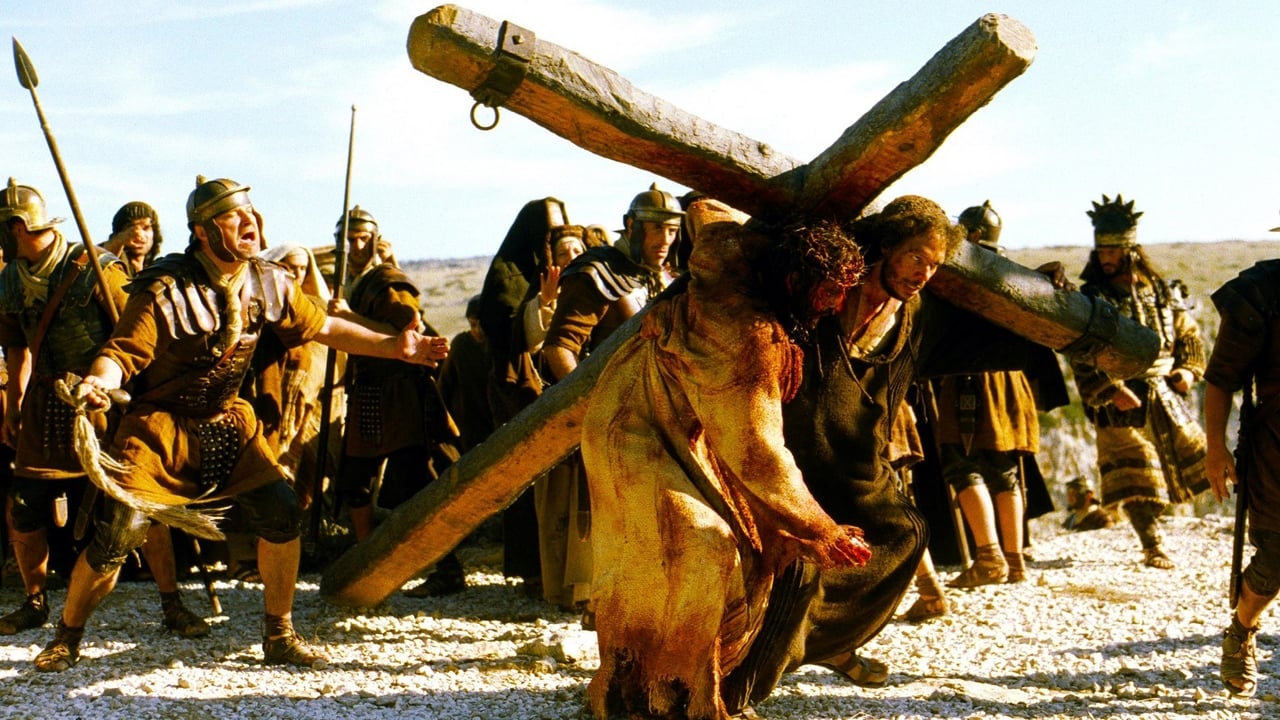
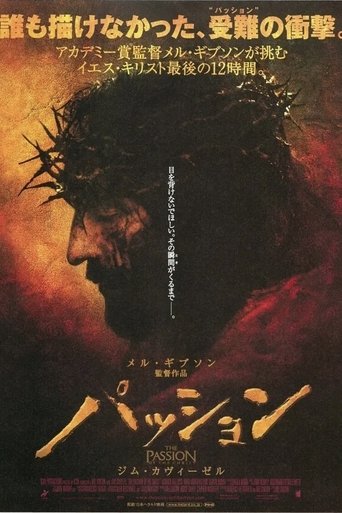
Mel Gibson focuses the entire narrative on roughly the last twelve hours of Jesus’ earthly life, from Gethsemane to the tomb, following the Passion accounts in the canonical Gospels with additional details drawn from traditional devotional sources. By narrowing the scope so radically, the film becomes a sustained contemplation of Christ’s suffering and sacrificial love rather than a generalized “Bible story.”
The use of Aramaic and Latin gives the film a sense of historical and liturgical authenticity, drawing viewers into the world of the first century and away from the polished gloss of many modern religious productions. This immersion makes it easier to pray with what you are seeing, much like meditating on the Stations of the Cross, which the Church especially commends on Good Friday.
**A Good Friday practice of the heart**
For Catholics, Good Friday is the most solemn day of the year, a time to fast, abstain, and fix our gaze on the Cross as we recall Christ’s Passion and death. Watching this film every Good Friday harmonizes beautifully with the Church’s invitation to meditate on the Passion, pray the Stations of the Cross, and enter into the Paschal Mystery with mind and heart.
Because the movie dwells so unflinchingly on Christ’s suffering, it can function almost like a cinematic “Way of the Cross,” helping the viewer to unite personal sorrows and sins to the Lord’s wounds. Many Catholic commentators have noted that this intense focus on the Passion has led countless viewers to deeper conversion, more fervent confession, and renewed love for the Eucharist.
**A profoundly moving portrayal of Christ**
Jim Caviezel’s portrayal of Jesus is marked by a combination of physical agony and serene, interior surrender that many have found spiritually shattering in the best possible way. His performance embodies the Catholic understanding that Christ’s sacrifice is both fully human suffering and a freely chosen act of divine love, given “for us and for our salvation.”
The film’s graphic realism, which some critics found excessive, is precisely what others—especially devout Catholics—recognize as its strength, because it refuses to sentimentalize the Cross or turn the Passion into an abstraction. Your experience of being moved “in ways you could not imagine” is very much in line with how many believers describe their first viewing: an almost overwhelming confrontation with the price of our redemption.
**A work of art, faith, and evangelization**
Despite controversy, The Passion of the Christ became one of the most commercially successful R‑rated films ever released, earning over 600 million dollars worldwide, which testifies to how deeply it resonated with audiences far beyond a niche religious market. Catholic writers have even called it “the most theologically focused treatment of the suffering of Christ ever committed to film,” noting its clear alignment with classic Catholic devotion to the Passion.
Its impact went beyond the box office: the film sparked wide public conversations about Christ, the Cross, and salvation, and several members of the cast and crew reportedly entered or returned to the Catholic Church after working on it.