狩場の悲劇
あらすじ
No synopsis available.
予告・トレイラー
スタッフ・制作会社
監督: Эмиль Лотяну
脚本: Эмиль Лотяну / Антон Чехов / Ella Korsunskya
音楽: Евгений Дога
制作: Адольф Фрадис
撮影監督: Анатолий Петрицкий
制作会社: Mosfilm / Inter Allianz Film
No synopsis available.
監督: Эмиль Лотяну
脚本: Эмиль Лотяну / Антон Чехов / Ella Korsunskya
音楽: Евгений Дога
制作: Адольф Фрадис
撮影監督: Анатолий Петрицкий
制作会社: Mosfilm / Inter Allianz Film
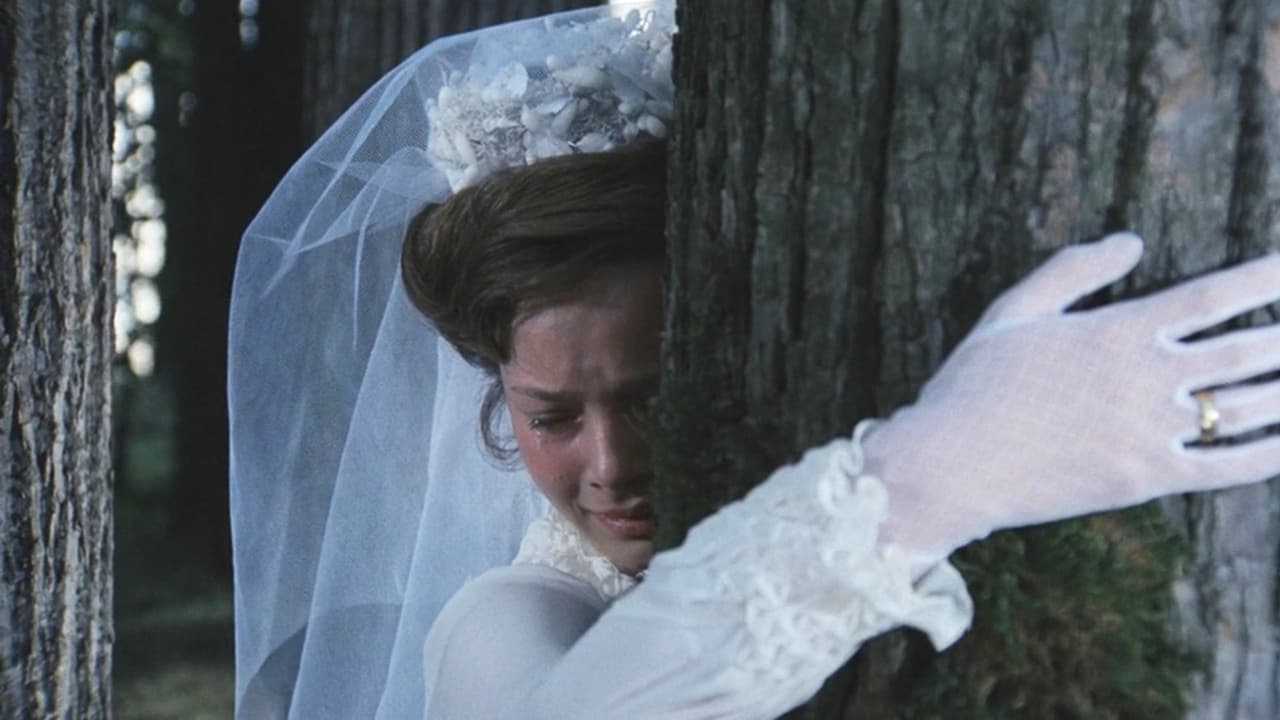
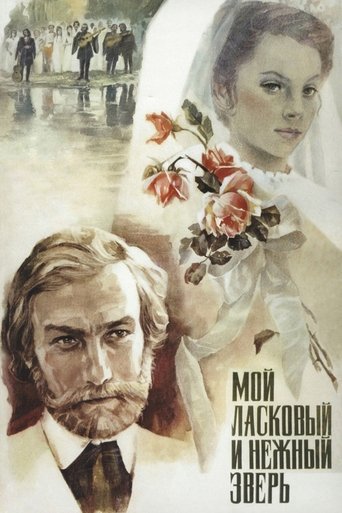
This has something of the judgement of Paris about the story, only this time it's the impoverished "Olga" (Galena Belyaeva) who has to choose between three men who would have her heart, body and soul. Perhaps the most obvious choices might be the dashing "Kamyshev" (Oleg Yankovskiy), or maybe the elderly count "Karneyev" (Kirill Lavrov) but might she also consider the rather dour widower "Urbenin" (Leonid Markov)? What's clear is that all three would be perfectly happy to have her keep them warm on a winter's night. "Olga" is not, initially at any rate, a temptress, though. She doesn't wish to use any wiles and looks to ensnare anyone, she does genuinely believe that there is hope that she will find true love - and there's a clear candidate from her trio of suitors for that. What chance though? In the end might she, and her family, elect for anything to get them out of the miserably cold poverty in which they live whilst the gentry enjoy their lavish meals, fresh fruit and warming brandy? It's a Chekhov story that's done the rounds over the years, but this adaptation stays a bit truer to the original in that it imbues the girl with a degree of innocence, purity even, and Belyaeva delivers an emotionally nuanced effort that's half Julie Christie and half Ingrid Bergman. The male characters don't fare so well as decent examples of their sex and on that front I found Lavrov to turn in the most engaging effort, especially as the film develops and we all realise that their ancient system of serf and noble is on it's last legs. The production design shows off the opulent decadence in contrast with the more rustic realities well: the gates to the big house that were opened and closed even though there were no walls or fences on either side rather illustrated the fragility of the landed gentry's societal position. At times it is a little too theatrical and can leave it somewhat stilted on occasion, but there are solid efforts from both behind and in front of the camera to tell a story of a recalibration of a society and of a women who wants to make her own choices in life. Oh, and it's a love story too.