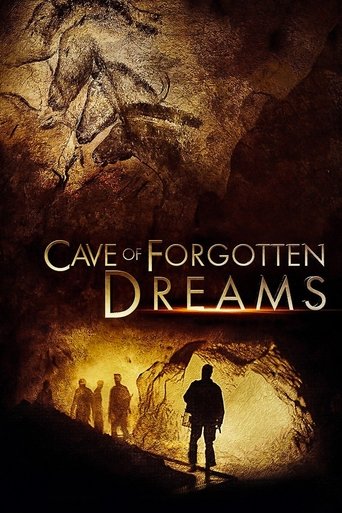
There is little preamble to Cave of Forgotten Dreams. No attempt to graft a larger narrative (indeed, a narrative at all) on the picture, no lengthy introductions of the cast of scientists, archaeologists, and filmmakers with whom you'll spend the next hour and a half. The credits are quick and unadorned, and over them, the unique and unmistakable voice of director Werner Herzog intones, in his inimitable manner, the discovery of Chauvet Cave of southern France.
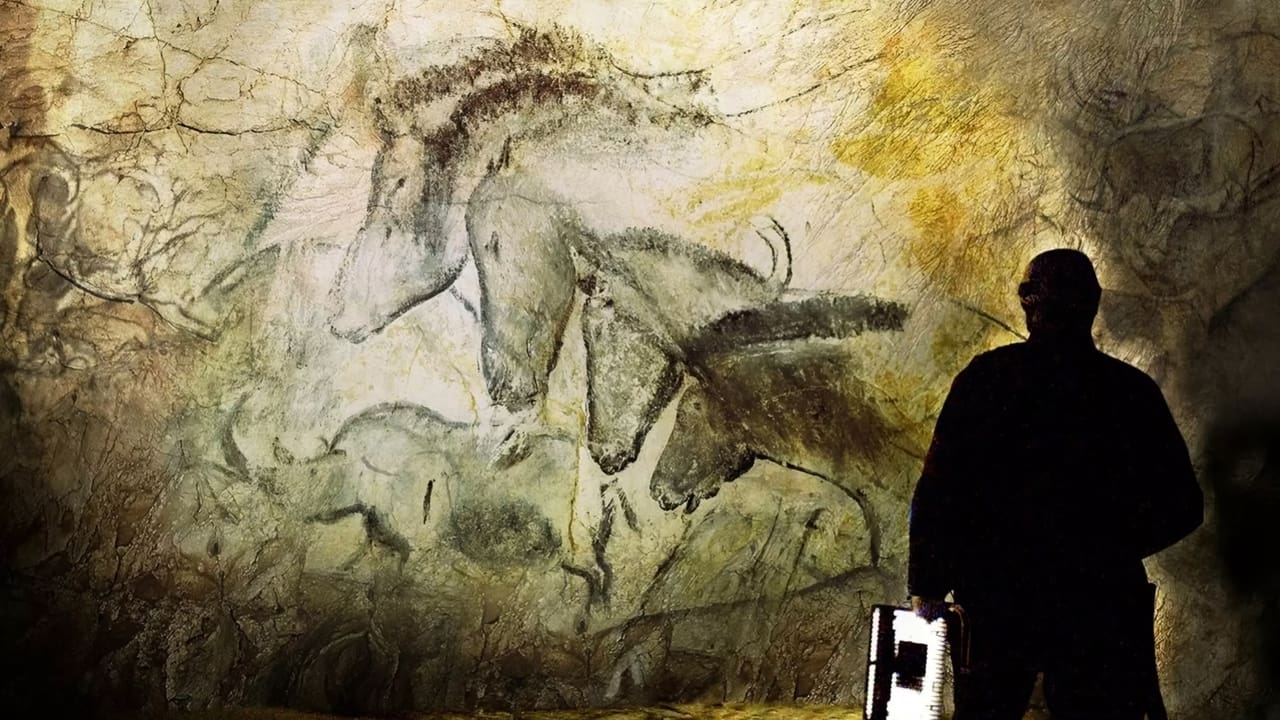
The story is straightforward: a group exploring the area came across the cave, which had been long closed off from a rockslide. They cleared away the rocks and entered, finding the most astonishing collection of cave paintings known to man, more than twice the age of any other and perfectly preserved.
The French government protects the cave in earnest, lest it be damaged, and dangerously high levels of radon and carbon dioxide would kill any who visit too long. Were it not for the renown of documentarian and filmmaker Herzog, the French government would likely never have let a film crew into the cave.
What a sorrow that would have been! This film, particularly in its 3D exhibition, is an astounding, moving experience that is wholly unique and an incredible watch for anyone. It's utterly astonishing to view these beautiful, sophisticated paintings, made over 32,000 years ago, to see the contours and the ecstatic play of light and shadow over the curves of the rocks. I've long been ambivalent about the uses of 3D cinematography, but I have seen two films this year alone that have convinced me utterly that though it's not often handled well, it can be an invaluable tool in the hands of a talented filmmaker who uses it purposefully (the other, by the way, is Martin Scorsese's rapturous Hugo).
This film is truly an experience, one unlike any other I've seen. The beauty, the history, the humanness of the cave paintings, their incredibly artistry, is unmistakable and undeniable. A scientist in the film talks about how, after being in the cave, he began to dream of the lions, horses, and other beasts depicted on the walls. Seeing these paintings in this incredible environment, realizing that this may very well have been the birth of art...it is unimaginably moving.
This is where the magic of cinema comes into play. For how does one apply critical thought to a film such as this? There's little narration, as the experience of viewing the cave (particularly in 3D) conveys far more than mere words could express. Herzog, whose dulcet German tones always seem to contain an infinite depth of grief, wisely keeps the chatter to a minimum, only cropping up for an explanation of what we are seeing, as well as to offer cryptic musings on the meanings of it all. It has no narrative drive, no sense of story to tell. Its cinematography can occasionally veer into the problematic (namely, heavy doses of graininess due to shooting in the dark); the first third of the film is shot with a nonprofessional handheld camera, as it was the first time in which they entered the cave. Is it instead to be judged on the merits of its subject? I suppose so, for rarely will you find a subject as compelling and wonderful as this. And within this cave, Herzog has found things even rarer: a spirituality that is palpable, a common human need for expression, and a voice unfettered by time and space.