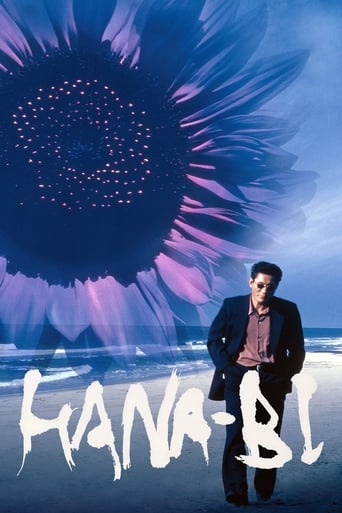
HANA-BI
"「その時に 抱きとめてくれるひとがいますか」。"
Trailer
Overview
凶悪犯の張り込みの最中に親友で同僚の堀部の好意に甘え、数カ月前に幼い子供を亡くし失意のまま体調を崩していた妻・美幸を病院に見舞った西は、そこで妻が不治の病で助からないことを聞かされる。ショックを受ける西。だがそんな彼に、更に堀部が犯人の凶弾に倒れたとの連絡が入った。その後、犯人は別の場所で発見されるも、逮捕へのあせりから西は失態を演じ、後輩の田中が命を落としてしまう。罪悪感にさいなまれ、職を辞す西。彼は、下半身不随となり車椅子の生活を送る堀部に画材道具を贈る為、また田中の妻や余命幾ばくもない美幸との生活資金を工面する為、ヤクザから借金を重ねるようになる。しかし、その返済に首が回らなくなり、思い余って銀行強盗を決行。盗んだ金を堀部や田中の妻に送り、ヤクザに借金を返済すると、残った金を持って美幸と共に旅に出るのだった。だが、そんな西をヤクザたちは利子が足りないと言って執拗に追いかけてきた。妻との残り少ない時間を誰にも邪魔されたくない。西は、追ってきたヤクザたちを次々に殺害していく。やがて、後輩の刑事の中村が西の身を案じて駆けつけてきた。しかし、西は彼にもう少し時間をくれと頼む。静かな砂浜、妻をそっと抱き寄せた西は、自ら自分たちの人生に幕を引く。
Cast
Reviews / 口コミ
あなたの評価を記録する
TMDB ユーザーの口コミ
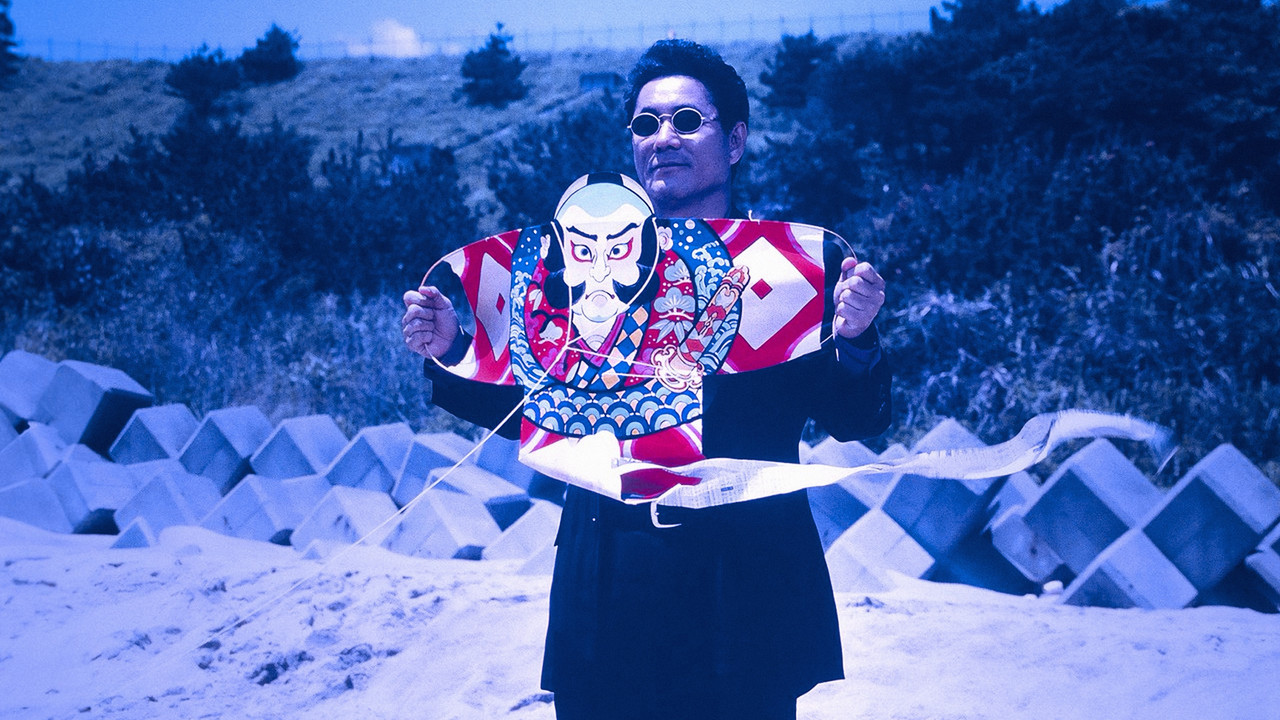
Drop Dead. Hana-bi (AKA: Fireworks) is written and directed by Takeshi Kitano. It stars Kitano, Kayoko Kishimoto, Ren Osugi and Susumu Terajima. Music is by Joe Hisaishi and cinematography by Hideo Yamamoto. Yoshikata Nishi (Kitano) is a loose cannon police detective who quits the force after a tragic incident results in his partner, Horibe (Osugi), being confined to a wheelchair. His retirement brings him the time to care more for his seriously ill wife Miyuki (Kishimoto). Nishi can find no peace, though, more so as he has borrowed money from the Yakuza to pay for his wife's needs, and they are growing impatient for the repayment... Very early in Kitano's superb slice of Japanese neo-noir there is a piece of graffiti on the wall, it says "Drop Dead", while Hisaishi's music is a devilish accompaniment to the scene. It's ominous and foreboding, setting the tone for what is to follow. Pic is deliberately paced, beautifully so, with the opening nonlinear approach and scattergun shifts in time adding a sort of psychological maelstrom to the impending narrative darkness. Yet to suggest it as a perpetually bleak picture is doing it a small disservice, for Kitano (himself working from a damaged psyche that occurred in real life) has this adroit eye for poetic beauty and human tenderness that marries up with bursts of violence and emotionally shattering passages of play. And it works brilliantly, with stabs of humour also filtering in via the outer frames. Nishi the character is a force of nature and a walking - brooding - contradiction, a man pained behind his sunglasses, his expressionless visage amazingly still saying so much. When he explodes the impact is doubly strong, mainly because dialogue is so sparse, but the interwoven visuals - very much a Kitano speciality - strike an almighty chord for the story. To which we edge towards the finale, which unsurprisingly brings beauty and infinite sadness. Unfussy camera work, sabre sharp editing (Kitano & Yoshinori Oota), elegiacal musical arrangements, art, kites and Kitano's intense performance, this rounds out as film making greatness. In fact, a masterpiece. 10/10
There's greatness in there, for sure, but <em>'Fireworks'</em> (or, the better title, <em>'Hana-bi'</em>) drags on for too long. I was with it for the first 45-55 minutes, but the final portion of the film really dragged for me; aside from a few moments, it kinda just repeats the same sorta scenes over and over. Like, personally, I got it... needed a bit more to it, in my opinion. There are some very good performances, no doubt. Takeshi Kitano is the obvious star of the show, though I was also impressed by Ren Osugi - who is just as excellent as the aforementioned writer, producer and director of this 1997 flick. The support cast are solid, while everything onscreen looks neat too. I did like this overall, but I can't say it hit me as much as it evidently has for others. Worth a watch, either way.
You wouldn't want to be policeman "Nishi" (Takeshi Kitano). His young child died a few years earlier, his wife is terminally ill in hospital and his partner at work takes a bullet that renders him paraplegic. Unsurprisingly, he hits the skids a bit and his priorities become compromised. When his wife is told she can come home, he is determined to make that happen - but where will the money come from to facilitate her? Well he goes and borrows some money from some unsavoury types he has encountered in his career. With his sole raison d'être now being to spend as much time as he can with his ailing wife, some of his other decisions become more and more dubious and requiring of increasingly dangerous and violent action as his creditors demand repayment - in cash or in kind. This is really quite an effective mix of the romantic and the brutal. It illustrates the vulnerability of even the most robust of human beings when touched by tragedy and despair - and when that person is a cunning and capable killer, these risks for all become ever more exacerbated. There's not a great deal of dialogue here, it's mostly Kitano reacting to and dealing with the scenarios he faces trying to sustain that sense of stability and to deal with his crescendo of guilt and it's quite enthralling at times to watch. It does plod along a little at times, and can also be repetitive but it's a different style of dark drama that shows us an human side of someone not motivated by power, or money, or revenge.