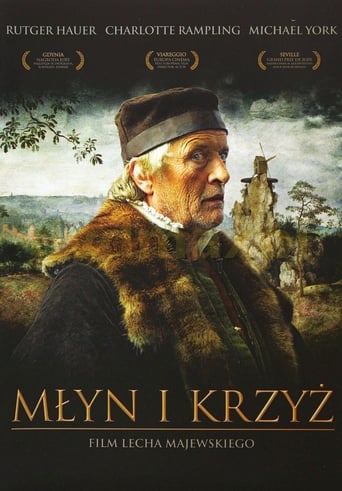
Młyn i krzyż
あらすじ
No synopsis available.
予告・トレイラー
興行成績
興行収入: $1,116,180 (2億円)
※製作費・興行収入はTMDBのデータを参照しています。収支は(興行収入 - 製作費)で算出したFindKey独自の推定値であり、広告宣伝費や諸経費は含まれません (1ドル=150円換算)。
No synopsis available.
興行収入: $1,116,180 (2億円)
※製作費・興行収入はTMDBのデータを参照しています。収支は(興行収入 - 製作費)で算出したFindKey独自の推定値であり、広告宣伝費や諸経費は含まれません (1ドル=150円換算)。
監督: Lech Majewski
脚本: Michael Francis Gibson / Lech Majewski
音楽: Lech Majewski / Józef Skrzek
制作: Lech Majewski
撮影監督: Lech Majewski / Adam Sikora
制作会社: Odeon Film / Bokomotiv Freddy Olsson Filmproduktion / Telewizja Polska / Silesia Film / Arkana Studio / Piramida Film / 24MEDIA
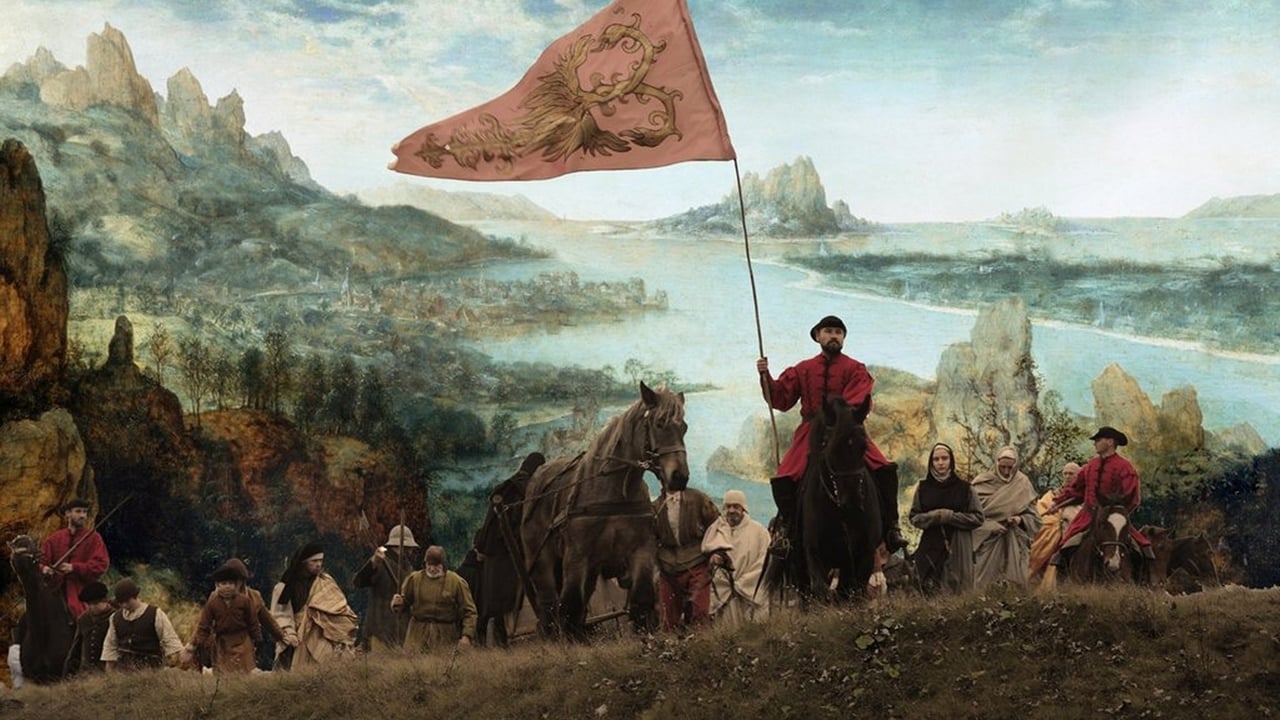
The Mill and the Cross is one of the best biopics about a painter — or, for that matter, any artist — because it concerns itself less with the painter and more with his work; that is, it knows that the 'what' and 'how' matter more than the 'who.' That’s not to say that the creator doesn’t count for anything; what I mean is that the every artist’s autobiography is recorded in their work (and that’s is why, as I always say, we can learn more about Elton John or Freddie Mercury by listening to Rocketman and Bohemian Rhapsody than by watching Rocketman and Bohemian Rhapsody). This film co-written and directed by Lech Majewski is admirably faithful to the aesthetics of Pieter Brueghel the Elder, but it does not co-opt the artist's vision to put forth a crackpot, 'secret history' plot that has more to do with the filmmaker’s fevered imagination than with any real, historical fact; for example Nightwatching, Loving Vincent, or At Eternity's Gate, which all look great and contain great performances, but end up as nothing more than vehicles for their respective filmmakers' outlandish conspiracy theories — they talk a lot but say little or nothing. In contrast, The Mill and the Cross talks little but speaks volumes. Of the dozens of characters, only three have significant dialogue, especially Brueghel (Ruther Hauer) himself; his monologues provide a convincing, reasonable, and direct explanation of the structure and symbolism of The Procession to Calvary. Meanwhile, Michael York's rich baritone provides the political and social context for the painting.