ワン・セカンド 永遠の24フレーム
Trailer
Overview
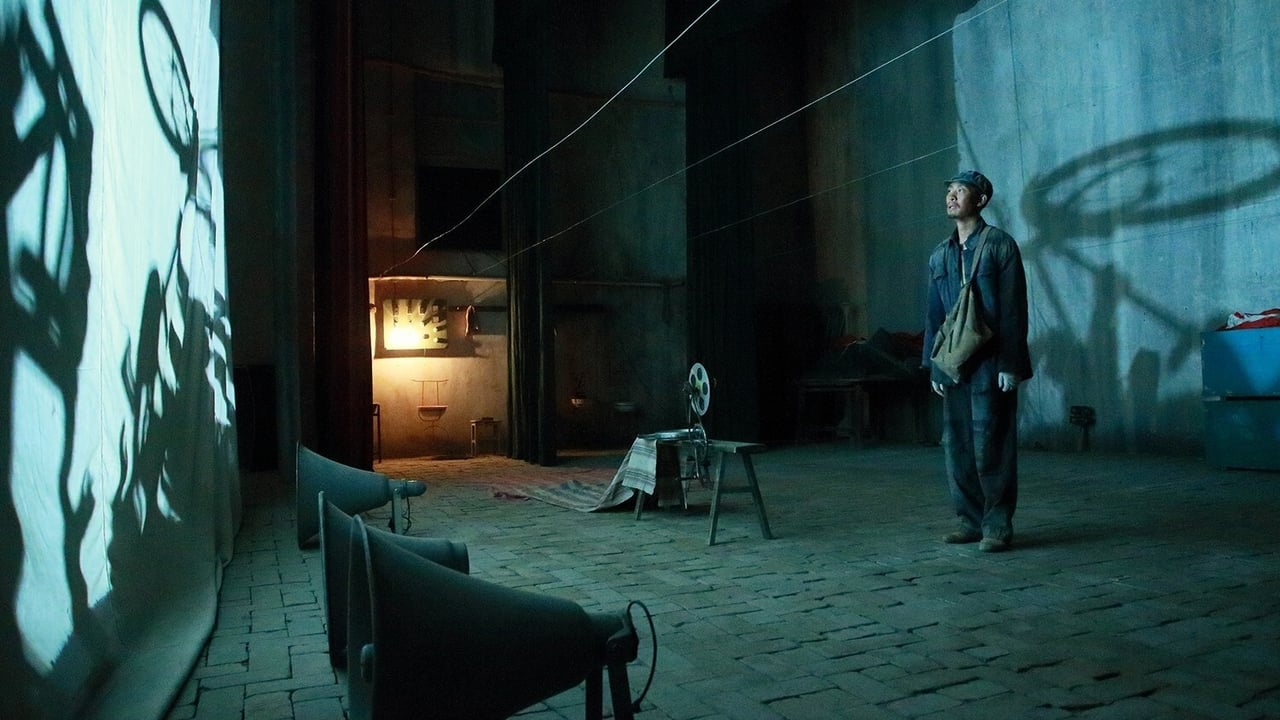
文化大革命時代の中国を舞台に繰り広げられるノスタルジックで普遍的な物語と、広大な砂漠を大胆に映し出す圧倒的な映像美。フィルムの中にたった1秒だけ映し出されているという娘の姿を追い求める父親と、幼い弟との貧しい暮らしを懸命に生き抜こうとする孤独な少女。決して交わるはずのなかった2人が、激動の時代の中で運命的に出会い、そして彼らの人生は思いがけない方向へと進んでいくー。娯楽の少なかった時代に映画に熱狂する人々。その姿は、劇場で映画を観ることの素晴らしさを思い出させてくれる。
製作費: $1,250,000 (2億円)
興行収入: $10,791,301 (16億円)
純利益: $9,541,301 (14億円)
配信サービス
Cast
Reviews / 口コミ
あなたの評価を記録する
TMDB ユーザーの口コミ
“Zhang” (Yi Zhang) manages to escape from a forced labour camp just as the Chinese cultural revolution is in full swing. His plan is to make it back to his remote home where he hopes to see a screening of a short propaganda newsreel extolling the merits of socialism that features his young daughter. The thing about these multi-reel movies, though, is that they are constantly being circulated, damaged, stopped and stolen - so actually finding it in a working condition near somewhere capable of exhibiting it is no mean feat for this increasingly malnourished and frustrated gent. Then he encounters the wandering “Liu” (Haocun Liu) who also requires the film - but for an entirely different, and probably more practical purpose, so whilst trying to obtain it from her and stay one step ahead of the pursuing authorities, his work is cut out for him. As his quest proceeds, we are introduced by way of flashbacks, to just who he is, who she is, and why we are all chasing this moment encapsulated in nitrate. This reminded me, in many ways, of “Cinema Paradiso” (1988) insofar as it really emphasises just how important cinema was to a small town community. At how revered, almost, the projectionist- in this case “Mr. Movie” (Wei Fan) - was, and despite the fact that the screen was little better than a king sized bed sheet, and just how the population gathered to see whatever the authorities deemed fit for their consumption with eagerness and zeal. It’s thinly veiled critique on all things “party” is disguised in some really quite dark humour with some down right disrespectful dialogue that ridicules the very principles of any one doctrine state, ostensibly benign or just plain authoritarian. The scenes with Wei Fan, especially towards the end, do raise a smile and then there’s the slight futility to it that works well, too. At times the photography gives up quite a powerful degree of intimacy and at other times it stands back and allows us to enjoy, or query, this man’s travails as you begin to wonder will he ever see the film and just what did he ever do to merit such persistent attempts to recapture him! It can be a little sluggish at times, but the last half hour make it worth a watch.
“Zhang” (Yi Zhang) manages to escape from a forced labour camp just as the Chinese cultural revolution is in full swing. His plan is to make it back to his remote home where he hopes to see a screening of a short propaganda newsreel extolling the merits of socialism that features his young daughter. The thing about these multi-reel movies, though, is that they are constantly being circulated, damaged, stolen and even covered in sand, so actually finding one in a working condition near somewhere capable of exhibiting it is no mean feat for this increasingly malnourished and frustrated gent. Then he encounters the wandering “Liu” (Haocun Liu) who also requires the film - but for an entirely different, and probably more practical purpose, so whilst trying to obtain it from her and stay one step ahead of the pursuing authorities, his work is cut out for him. As his quest proceeds, we are introduced by way of flashbacks, to just who he is, who she is, and why we are all chasing this moment encapsulated in nitrate and both actors deliver well. This reminded me, in many ways, of “Cinema Paradiso” (1988) insofar as it also really emphasises just how important cinema was to a small town community. At how revered, almost, the projectionist - in this case “Mr. Movie” (Wei Fan) - was, and despite the fact that the screen was little better than a king-sized bed sheet, at just how the population gathered to see whatever the authorities deemed fit for their consumption with eagerness and zeal. It’s thinly veiled critique on all things “party” is disguised in some really quite dark humour with some down right disrespectful dialogue that ridicules the very principles of any one doctrine state: ostensibly benign or just plain authoritarian, things very rarely changed for the people scraping a living the same way they’d done for centuries. The scenes with Wei Fan, especially towards the end, do raise a smile and then there’s the slight futility to it that works well, too. At times the photography gives us quite a powerful degree of intimacy and at other times it stands back and allows us to enjoy, or query, this man’s purpose as you begin to wonder will he ever see the film and just what did he ever do to merit such persistent attempts to recapture him! It can be a little sluggish at times, but the last half hour makes it worth a watch.