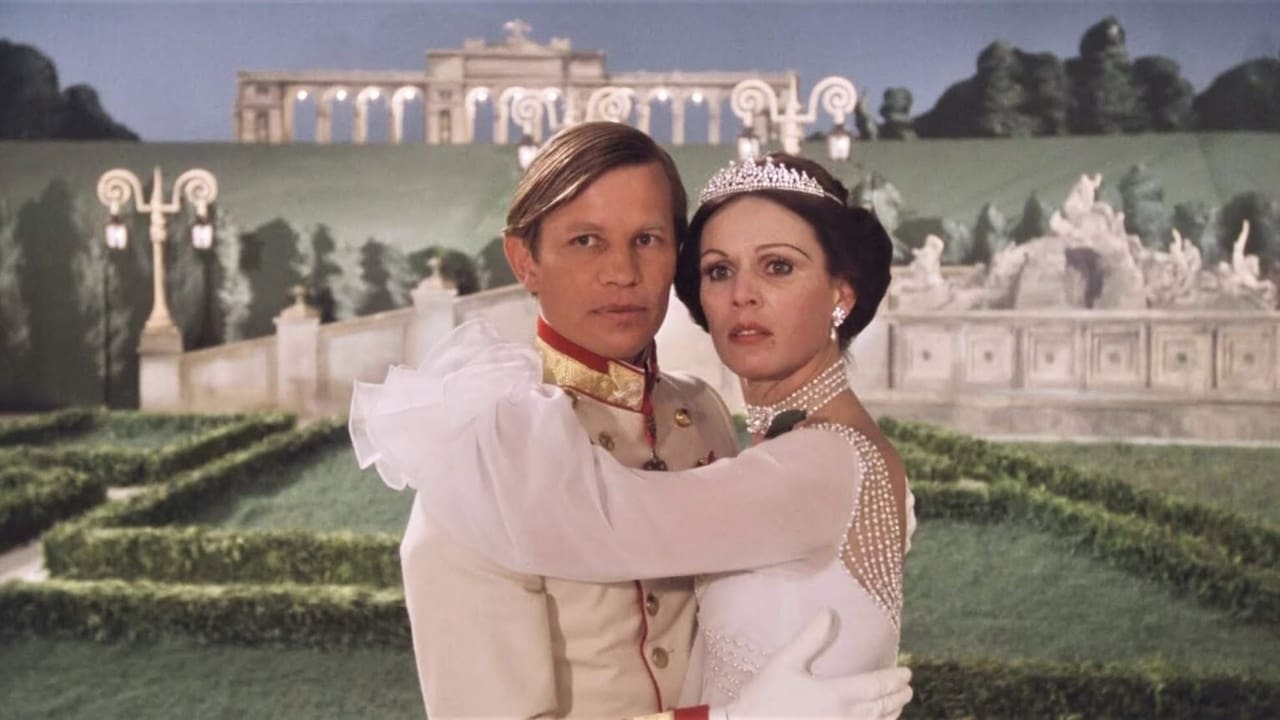
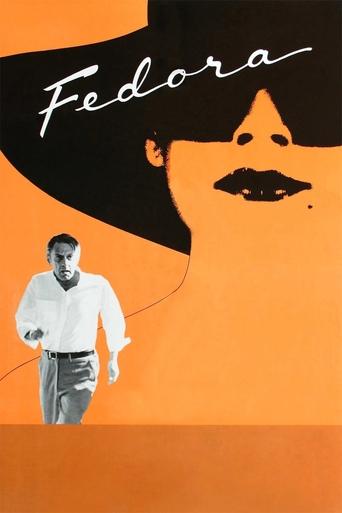
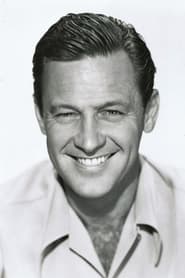
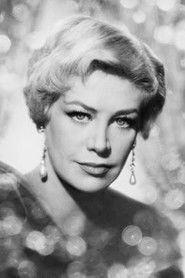
Perhaps not one of Billy Wilder's most famous of films, but this penultimate effort is certainly one of his more intriguing. The story is told starting from the moment of the death of the actress "Fedora" (Marthe Keller) and so it is basically about the circumstances that led to her being hit by a train (suicide/accident?). William Holden ("Dutch Detweiler") has seen better days as an Hollywood producer, and so determines to try and lure the legendary star from her reclusive existence in her Greek villa; surrounded by a rather acolytic coterie as obsessed with their own interests as with those of the actress; and at points we are not quite sure of the extent to which her housebound existence is entirely voluntary. Hildegard Knef ("The Countess") and José Ferrer ("Dr. Vando") add further to this mystery that seems as much of a swipe at the excesses, and vacuousness (splendidly epitomised by the good looking but shallow Michael York) of Hollywood as it is about the sadly maladjusted woman. Aside from Knef - who is on great form, the acting is a little uninspiring - there are some resemblances to "Sunset Boulevard" but I felt only marginally; this has neither the intense drama, nor the intimacy of that story - and Holden couldn't come anywhere near the performance he had delivered back in 1950. I did enjoy it; despite the print I saw being poor and rather shockingly edited (hacked?) but the denouement is pretty much telegraphed after about half an hour and so it loses out on any great degree of depth. Perhaps the very shallowness and fickleness Tom Tryon was identifying in his book?