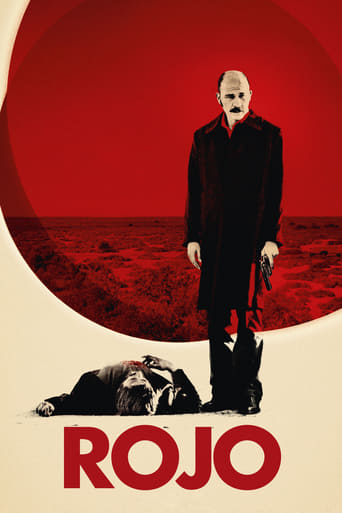
Rojo
あらすじ
No synopsis available.
作品考察・見どころ
興行成績
興行収入: $557,092 (1億円)
※製作費・興行収入はTMDBのデータを参照しています。収支は(興行収入 - 製作費)で算出したFindKey独自の推定値であり、広告宣伝費や諸経費は含まれません (1ドル=150円換算)。
No synopsis available.
興行収入: $557,092 (1億円)
※製作費・興行収入はTMDBのデータを参照しています。収支は(興行収入 - 製作費)で算出したFindKey独自の推定値であり、広告宣伝費や諸経費は含まれません (1ドル=150円換算)。
制作: Mathilde Delaunay / Bárbara Sarasola-Day / Federico Eibuszyc
撮影監督: Pedro Sotero
制作会社: PUCARÁ cine / Bord Cadre Films / Desvia / Ecce Films / Viking Film / Sutor Kolonko / Le Tiro Cine / JEMPSA
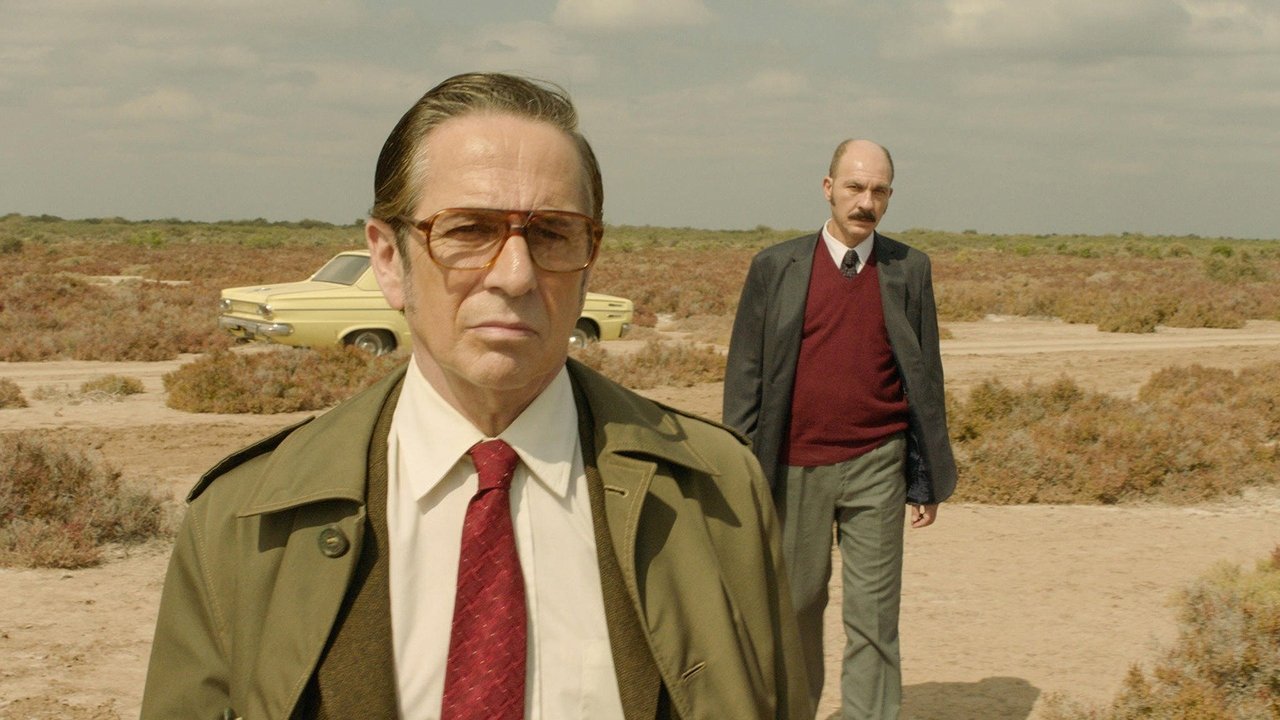
Through the story of a lawyer (led by Darío Grandinetti) facing an unexpected event, Benjamín Naishtat articulates a powerful political policeman and a true sociological essay on the miseries of a town in an unnamed province of Argentina in 1975 and its apparent normality at a turbulent stage in its history. And with great cinematography. It is 1975. Claudio (Darío Grandinetti) is the Doctor, a prestigious lawyer from a town in an unnamed province of Argentina, married to Susana (Andrea Frigerio) and with a teenage daughter. A tense incident with a stranger (Diego Cremonesi) in a town restaurant will be the first in a series of events that will call into question the Doctor's calm. Actually, the first scene of the film is another, a powerful fixed shot over a house, in a scene of enormous eloquence. For those who do not know, or do not remember, in 1975 Isabel Perón ruled and Argentina was already devastated by the kidnappings and murders of the Triple A (Alianza Anticomunista Argentina), a parapolice organization linked to the Government, in a true advance of what that it would be state terrorism established by the civil-military dictatorship that overthrew Isabel in 1976. Red is a remarkable and disturbing film. Its plot suffers an apparent drift by situations that seem disconnected but that in reality are integrated into a powerful and implacable X-ray of an era: violence (sometimes left out of the field), disappearances, dispossession, looting of the victims, the swindle, the silence, the imposture, the impunity. But all under a layer of apparent normality and within the framework of a province intervened to "restore" it. Naishtat's film could be defined as a sociological and political black cop. Each scene is a necessary note (and never underlined) on the general picture, including the successful scene on a beach in Mar del Plata. From the formal point of view, the filmic recreation of the time is remarkable, with that tone between faded and sepia that dominates photography and its red titles. There is a great use of still shots and beautiful wide shots in desert locations. Grandinetti's very good performance, while the apparent over-acting of a character who later appears in charge of Alfredo Castro (the actor from I'm afraid of a bullfighter), also has its justification. The school device could not be absent in this story, when a teacher (Susana Pampín) rehearses with Claudio's daughter and other classmates the dance Los Salvajes from the opera Las Indias Galantes by Rameau (a luxury of the soundtrack) for an act school and what he says to put them in position for the scene, in what constitutes a disturbing stagin