ワン・プラス・ワン

あらすじ
No synopsis available.
作品考察・見どころ
興行成績
製作費: $500,000 (1億円)
※製作費・興行収入はTMDBのデータを参照しています。収支は(興行収入 - 製作費)で算出したFindKey独自の推定値であり、広告宣伝費や諸経費は含まれません (1ドル=150円換算)。
No synopsis available.
製作費: $500,000 (1億円)
※製作費・興行収入はTMDBのデータを参照しています。収支は(興行収入 - 製作費)で算出したFindKey独自の推定値であり、広告宣伝費や諸経費は含まれません (1ドル=150円換算)。
監督: ジャン=リュック・ゴダール
脚本: ジャン=リュック・ゴダール
制作: Iain Quarrier / Michael Pearson / Eleni Collard
撮影監督: Anthony B. Richmond
制作会社: Cupid Productions
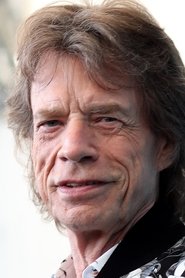
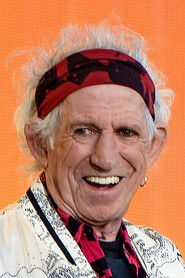
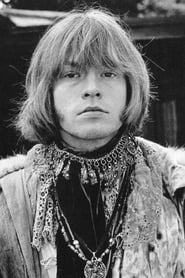
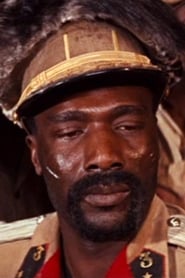
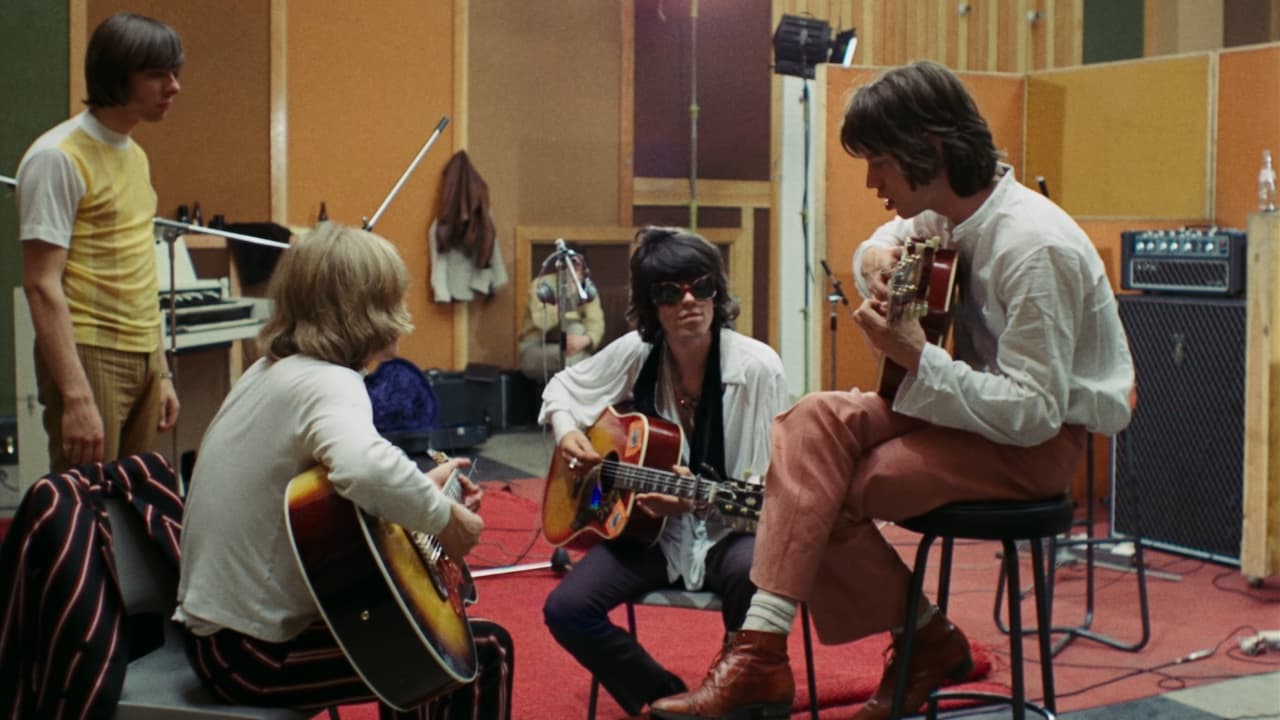
Has a film ever combined one theme of such wide popular appeal with another that will interest only a small crowd and simply baffle that big popular audience? Jean-Luc Godard's <i>Sympathy for the Devil</i> would delight one set of viewers and infuriate another. How does one even give a star rating to this? In May 1968, Jean-Luc Godard was permitted to film the Rolling Stones over several days in a London studio as they gradually fleshed out their now classic song "Sympathy for the Devil", and so one might expect simply a documentary about a rock band's creative process. However, over the last year Godard had broken ties with conventional cinema (even in its zany French New Wave form) and was now interested in using film to agitate for the Maoist philosophy that he had latched onto as the Zeitgeist for this era. Consequently, hardly have we seen the Stones at work before Godard cuts to completely different footage centered around the reading of strident political texts. Over the course of the film we repeatedly go back and forth between the Rolling Stones in the studio and political shots: Black Panthers sitting around a junkyard and advocating revolution, a woman spray-painting Maoist slogans over London walls, a comic book shop as a metaphor for American imperialism, etc. Even if the juxtaposition is jarring and indeed rather silly, the Rolling Stones portion of the film is satisfying for fans of this music. The viewer gets a sense of how the song "Sympathy for the Devil" went from merely a product of Jagger's imagination that he has to teach Keith Richards to ultimately the ample rendition with conga and backing-vocals that was finally released. Probably unbeknownst to Godard himself at the time, the film also serves as a portrait of Brian Jones' breakdown only about a year before his death: he's sometimes present in the studio, but he just sits in the corner, neglected by his bandmates and strumming a guitar that isn't even miked. The rest of the Stones, however, are clearly enjoying themselves. It's amusing how Jagger's English working-class accent, itself quite fake, immediately shifts to an imitation of some old American bluesman as soon as the recording of each take starts; rarely have I got such a vivid sense of how much blues meant to this generation of English youth. The last shot of the band in the film, presumably after recording wrapped on "Sympathy of the Devil", is a longish jam session. Another delight of this film for music lovers is that we can see in full colour how recording studios looked in the 1960s with the technology and sound insulation strategies of that era. (Everyone's smoking constantly, too. The place must have smelled like an ashtray). What, then, of the political bits? These would weird out anyone not familiar with Godard's earlier work of the late 1960s, but if one watches his films chronologically, then there is a clear progression from WEEKEND, his last relatively conventional film: again we see a breakdown of 1960s consumerist society depicted through militants holding guns versus prostrate figures red with (intentionally very fake) blood. Anne Wiazemsky, who had acted in Godard's immediately preceding films as a symbol of rebellious youth and now the director's second wife, appears as the personification "Eve Democracy". Unable to answer anything to her interlocutor's questions but "Yes" or "No", she mocks what Godard saw as the impotency of bourgeois representative democracy, where the people have no other way to effect political change except to vote for or against a candidate, a process that happens only every few years even as the nation is confronted by pressing challenges. Godard's politics during this time were wonky and it's hard to tell just how seriously he believed in Maoism, or whether the 38-year-old director was just trying on a fad to be closer to the youth. And yet, for viewers interested in history and especially this turbulent decade, the political scenes too hold a lot of interest. In the comic book shop segment, the camera pans slowly across the shelves, presenting a variety of pulp literature and pornography that is utterly forgotten today. Didactic as the scenes of the Black Panthers and Eve Democracy might be, even they can be appreciated as a time capsule of 1960s fashion thanks to their colourfully dressed characters.