FindKey

FindKeyは、100万件を超える映画・ドラマ作品、そして数百万人の人物データと独自の16類型CTI診断を統合した、日本初の感情特化型映画レコメンドエンジンです。

Find (見つける) + Key (鍵・正解)

映画に限らず、人生のヒントを見つける場所です。

FindKeyについてロケ地 (試験中)利用規約プライバシーポリシーお問い合わせ
© 2026 Bennu Inc.TMDB Logo

本サービスはTMDB APIを利用していますが、TMDBによる推奨・認定を受けたものではありません。

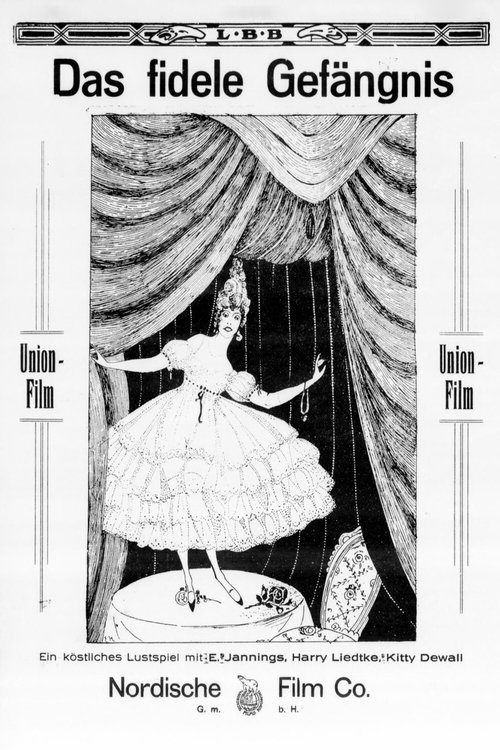
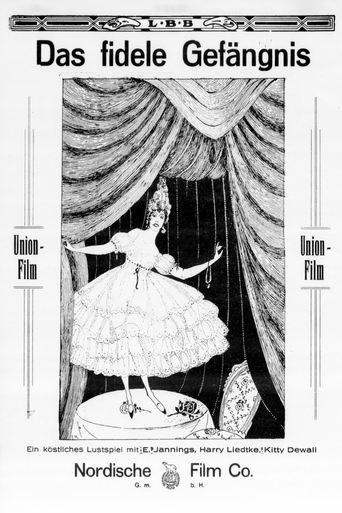
Das fidele Gefängnis

Das fidele Gefängnis

19170h 48m★ 6.4コメディ

あらすじ

No synopsis available.

作品考察・見どころ

AIが作品の魅力を深く読み解いています

スタッフ・制作会社

監督: Ernst Lubitsch

脚本: Richard Genée / Karl Haffner / Ernst Lubitsch

音楽: Johann Strauss

撮影監督: Theodor Sparkuhl

制作会社: Projektions-AG Union

口コミ

あなたの評価を記録する

キャスト

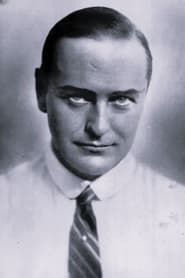
Harry Liedtke
Harry Liedtke
Alex von Reizenstein
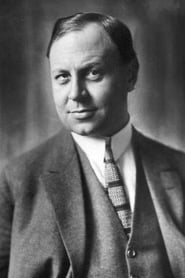
Emil Jannings
Emil Jannings
Quabbe - der Gaoler
Paul Biensfeldt
Paul Biensfeldt
Erich Schönfelder
Erich Schönfelder
Egon Storch
Käthe Dorsch
Käthe Dorsch
No Image
Kitty Dewall
Alice von Reizenstein
No Image
Agda Nilsson
Mizi - die Magd
Ossi Oswalda
Ossi Oswalda

TMDB ユーザーのレビュー

germish
germish
★ 9.5

The Merry Jail or Das fidele Gefängnis (1917) is one of the early films of Ernst Lubitsch. A light comedy, based on Strauss's operetta 'Die Fledermaus', about a rich couple and their maid in a gay Berlin of endless parties and ceremonies. It is also one of early films of Emil Jannings in the role of a nutty prison guard. The 25 year old Lubitsch portrays one his first and most original conceptions of marriage and women in a manner that is certainly years ahead of its time. And that's why I get disappointed when I didn't find this film among Kristin Thompson's selected titles to examine Lubitsch's career and his influence on Hollywood in her fantastic book, "Herr Lubitsch Goes to Hollywood". There are numerous scenes with unforgettable technical creativity. For example an excellent shot from the first act (part) of the film which exhibits the thing known as "Lubitsch touch"; The wife receives a warrant from police about her husband and his scandalous behavior in a previous night party and while she is discussing the possible misunderstanding on the phone, the camera goes down and shows the drunkard husband, sleeping on the floor. Don't forget we are in 1917! Lubitsch's storytelling imply one of the most intelligent cameras in history of motion pictures. She is a character and a witty analyzer of relationship between characters and architecture (rooms, stairs and mainly doors), and characters and objects. The camera treats everybody equally. Most evident in the scene when everybody is going to a party (without knowing of other one). Each of these characters has his or her reason - and usually a lecherous one - but Lubitsch use the same mise-en-scene for cheating husband, unfaithful maid, clever wife and old gigolo as you see in shots below. Lubitsch ("the greatest technician in American cinema after Griffith", says Gerald Mast) is using all kinds of new montage tricks - simultaneously with D. W. Griffith, but he use these techniques with such charm that make them almost invisible to the eye of the audience or even an inattentive historian. For traditional historians, influences of German cinema limits to names like Murnau or Lang, but with Lubitsch you can see the real Hollywood; the Hollywood that was making salable fantasy out of the most complicated and occasionally painful passages of human life; exactly the same way Lubitsch was doing back in 1917. -- written by: _**Ehsan Khoshbakht**_ --
germish
germish
★ 9.5

The Merry Jail or Das fidele Gefängnis (1917) is one of the early films of Ernst Lubitsch. A light comedy, based on Strauss's operetta 'Die Fledermaus', about a rich couple and their maid in a gay Berlin of endless parties and ceremonies. It is also one of early films of Emil Jannings in the role of a nutty prison guard. The 25 year old Lubitsch portrays one his first and most original conceptions of marriage and women in a manner that is certainly years ahead of its time. And that's why I get disappointed when I didn't find this film among Kristin Thompson's selected titles to examine Lubitsch's career and his influence on Hollywood in her fantastic book, "Herr Lubitsch Goes to Hollywood". There are numerous scenes with unforgettable technical creativity. For example an excellent shot from the first act (part) of the film which exhibits the thing known as "Lubitsch touch"; The wife receives a warrant from police about her husband and his scandalous behavior in a previous night party and while she is discussing the possible misunderstanding on the phone, the camera goes down and shows the drunkard husband, sleeping on the floor. Don't forget we are in 1917! Lubitsch's storytelling imply one of the most intelligent cameras in history of motion pictures. She is a character and a witty analyzer of relationship between characters and architecture (rooms, stairs and mainly doors), and characters and objects. The camera treats everybody equally. Most evident in the scene when everybody is going to a party (without knowing of other one). Each of these characters has his or her reason - and usually a lecherous one - but Lubitsch use the same mise-en-scene for cheating husband, unfaithful maid, clever wife and old gigolo as you see in shots below. Lubitsch ("the greatest technician in American cinema after Griffith", says Gerald Mast) is using all kinds of new montage tricks - simultaneously with D. W. Griffith, but he use these techniques with such charm that make them almost invisible to the eye of the audience or even an inattentive historian. For traditional historians, influences of German cinema limits to names like Murnau or Lang, but with Lubitsch you can see the real Hollywood; the Hollywood that was making salable fantasy out of the most complicated and occasionally painful passages of human life; exactly the same way Lubitsch was doing back in 1917. -- written by Ehsan Khoshbakht --

おすすめの作品