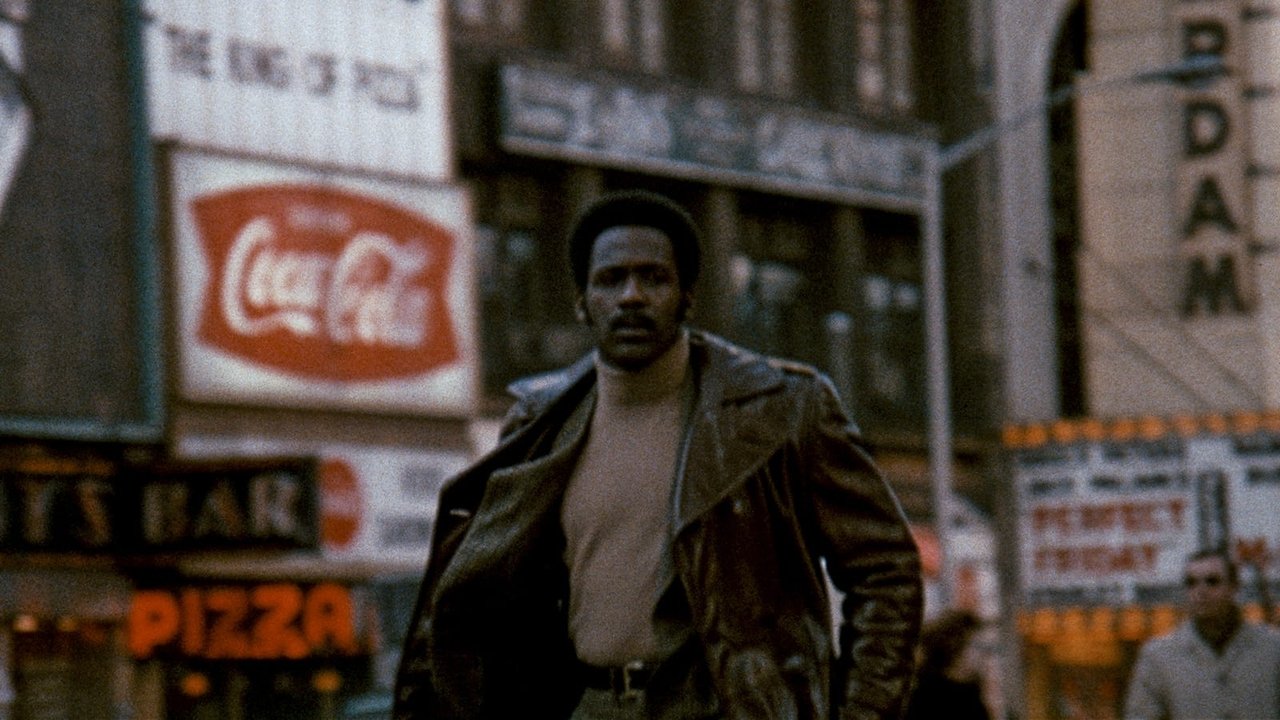
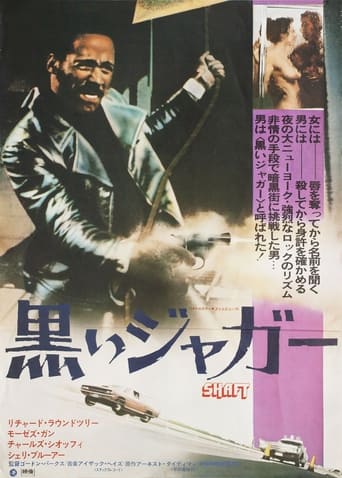
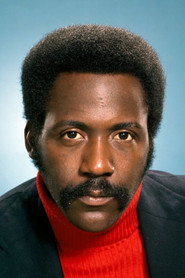
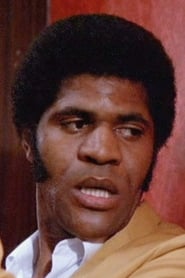
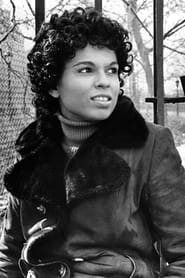
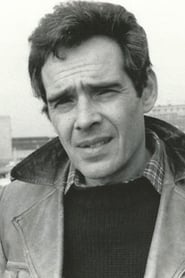
Richard Rowntree exudes loads of charisma here as he takes on the role of the shrewd Harlem private investigator “Shaft” who finds himself embroiled in some fairly brutal New York politics. He’s drafted in by local gangster “Bumpy” (Moses Gunn) when this man’s daughter is kidnapped. He doesn’t know by whom or why - there are no ransom demands nor many breadcrumbs to follow, but there are plenty of suspects. Initially he suspects that it might be the “Black Power” movement but after some plausible, if double-edged, tip-offs begins to suspect that some other hustlers are planning on bumping off his employer and muscling in on the lucrative rackets of the city. “Shaft” knows full well that the truth is being drip-fed to him, and that both “Bumpy” and police officer “Androzzi” (Charles Cioffi) and trying to manipulate him as he tries to track down “Marcy” (Sherri Brewer). It’s a very slick and classy production, this, with Rowntree navigating the racial tensions of his city deftly and engagingly. His “Shaft” is quite a likeable rogue, and though many of the scenarios do tax even the most vivid of imaginations, he manages to more subtly and skilfully illustrate just how unintegrated this supposedly integrated society actually was. There’s a bit of violence and some sex, but they are mostly implied as the story gathers pace in an unforgiving community where the goodies and baddies do not follow all of the expected stereotypical assumptions. Isaac Hayes’s theme complements the whole look and feel of the early 1970s with big cars, big shoes, big hair and big opportunities and though it has dated, it’s still builds on a solid story that delivers well.