In Victor Erice's luminous "El Sur," the deeply personal becomes profoundly political. This exquisite memory film operates on multiple interlinked planes -- a daughter's coming-of-age, a family fractured by ideology, and a nation emerging from the shadow of authoritarianism.
The film's narrative elegance lies in how Estrella's gradual understanding of her father Agustin mirrors Spain's own painful self-examination after Franco. Just as Estrella discovers her father's complex past -- his estrangement from his own father over political differences, his abandoned love in the South -- Spain itself was confronting its buried histories and unresolved divisions in the early 1980s. The Republicans versus Fascists split that drove Agustin from his southern home becomes both literal family drama and national allegory.
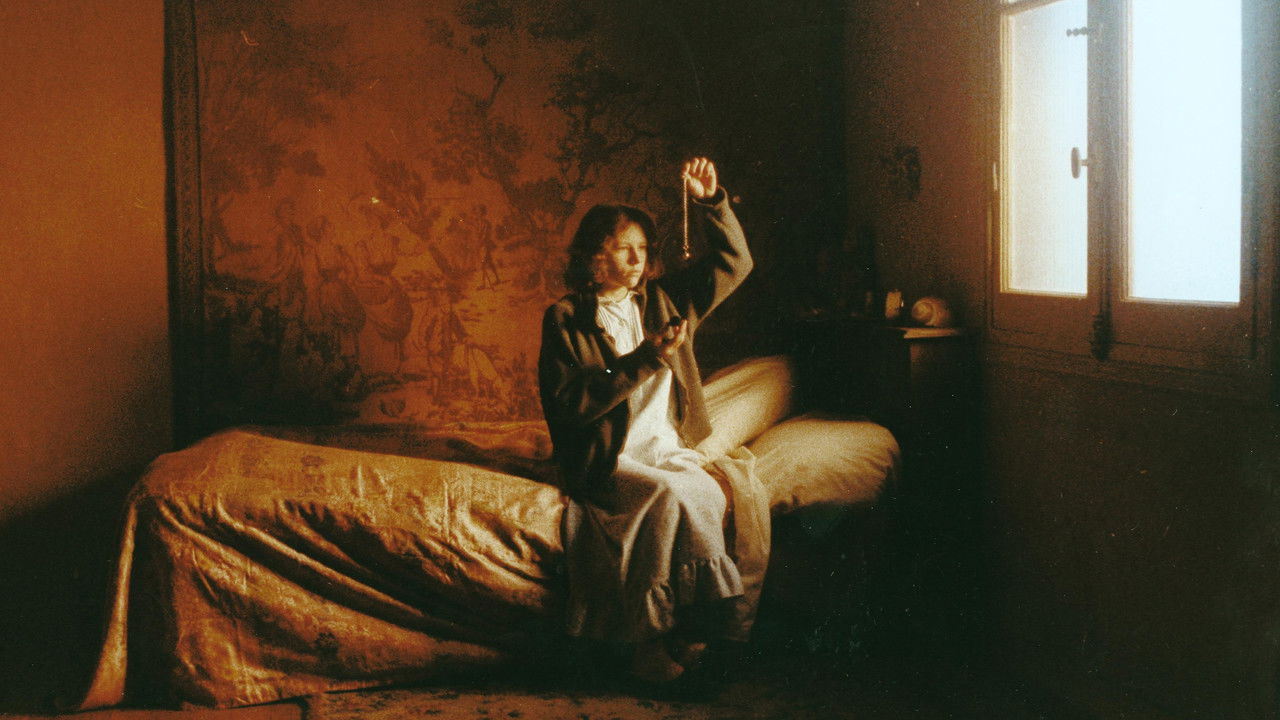
Erice's visual language is nothing short of transcendent. Jose Luis Alcaine's cinematography transforms ordinary spaces into chambers of memory, where light and shadow perform an intricate dance of revelation and concealment. The film's composition -- often framing characters through doorways, windows, or mirrors -- visually reinforces the theme of divided identities and partial understanding.
What makes "El Sur" particularly resonant is that it reflects both personal and collective guilt. Estrella's concluding question about whether she could have done more for her father echoes Spain's own post-Franco reckoning with complicity and silence. If the novella by Adelaida Garcia Morales was indeed a personal reconciliation with her past, Erice expands it into a meditation on national conscience.
The famous "incompleteness" of the film -- those southern sequences never filmed due to budget constraints -- becomes its most perfect metaphor. The South remains an abstraction, an idealized elsewhere that exists primarily in imagination and memory. This mirrors both Estrella's incomplete understanding of her father and Spain's unfinished process of reconciliation with its past.
"El Sur" suggests that coming-of-age is never merely personal; it happens in historical context (similar themes emerge in "Pan's Labyrinth," "Au Revoir Les Enfants," and "Persepolis"). As Estrella moves from childhood to adolescence, discovering the complexities of adult relationships, Spain itself was navigating its own awkward transition from dictatorship to democracy. Both journeys involve confronting uncomfortable truths, abandoned possibilities, and the realization that some wounds may never fully heal.
In its delicate balance of the intimate and the historical, "El Sur" becomes more than a film -- it's a memory palace where personal and national reckonings converge in moments of haunting beauty.