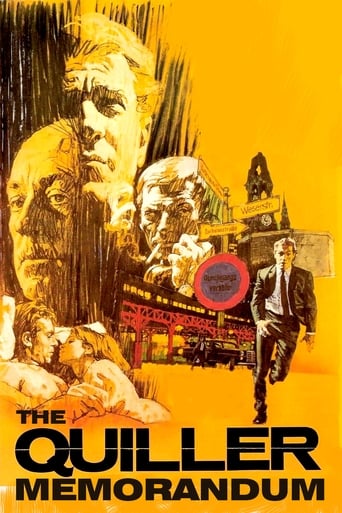
さらばベルリンの灯
あらすじ
No synopsis available.
予告・トレイラー
興行成績
興行収入: $1,500,000 (2億円)
※製作費・興行収入はTMDBのデータを参照しています。収支は(興行収入 - 製作費)で算出したFindKey独自の推定値であり、広告宣伝費や諸経費は含まれません (1ドル=150円換算)。
No synopsis available.
興行収入: $1,500,000 (2億円)
※製作費・興行収入はTMDBのデータを参照しています。収支は(興行収入 - 製作費)で算出したFindKey独自の推定値であり、広告宣伝費や諸経費は含まれません (1ドル=150円換算)。
監督: Michael Anderson
脚本: Mack David / Harold Pinter / Trevor Dudley-Smith
音楽: John Barry
制作: Ivan Foxwell
撮影監督: Erwin Hillier
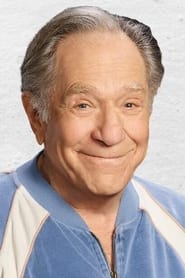
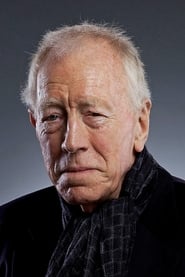
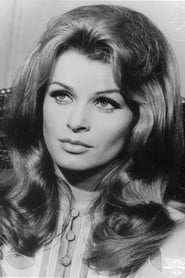
Oktober, and the trees are stripped bare. The Quiller Memorandum is directed by Michael Anderson and adapted to screenplay by Harold Pinter from the novel "The Berlin Memorandum" written by Elleston Trevor. It stars George Segal, Alec Guinness, Max von Sydow and Senta Berger. Music is by John Barry and cinematography by Erwin Hillier. There's no frills and graces about The Quiller Memorandum, it follows a straight spy drama narrative that pitches Segal (excellently cool) into Berlin to unearth the location of some Neo-Nazis. He gets involved with the sensual Berger whilst battling his wits with an insidious Sydow. Location photography is pleasing, as is the swirly score, but even though there's a nice ambiguity to the finale, there's a feeling of disappointment that actually not a great deal has happened in over an hour and half of film. Not dull exactly, and in fact there's enough interest to, well, hold the interest, but for every leanly written passage of play there also comes a yearning to have some espionage pizazz to thrill the senses. 6/10
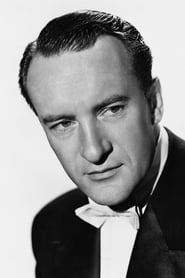
Unfortunately, time hasn't been very kind to this rather stilted cold war thriller. When two British agents are found dead in Berlin, it falls to "Quiller" (George Segal) to track down the elusive "Oktober" (Max von Sydow) before he gets his own comeuppance. The cat and mouse game is actually quite well executed - both sides desparate to find the location of the other's secret headquarters, and to establish whom is working for their enemies, but sadly Michael Anderson just can't quite elevate the film above a rather statically paced affair. Segal is efficient, but hardly charismatic and even Alec Guinness and the usually dependable George Sanders don't really inject much of a sense of menace. Too much of the jeopardy is just a little too contrived, and though it is does move along well enough, its just a little too hollow with nowhere near enough action to have it stand out. John Barry provided the score and the theme song "Wednesday's Child" (with Mack David), but there is little else here for us to remember.