**A good film based on an excellent book.**
Once upon a time there was a house where four very nice little sisters lived, whose father had to go to war, and whose mother had to get a job to help maintain the house. This seems like the beginning of a very sound children's story, but it summarizes in one fell swoop the essence of the beginning of the most famous and most acclaimed book by Louisa May Alcott, a 19th century writer who wrote books for women and who did so according to the mentality of the time in which he lived, that is, limiting himself to romantic amenities, flirting, marriage proposals and family dramas of a certain moral nature.
Before talking about the film, allow me a small aside…
In fact, May Alcott's book has currently been criticized for its somewhat conservative stances. But what on earth did they expect from a 19th century book, written by a 19th century woman?? If you have any kind of criticism to make, grab a time machine! This is not an isolated case: a certain propensity for posthumous censorship of books, plays, music and historical figures has taken hold in so-called democratic societies based on the fact that they have done, said or written things that we do not like, but which, in the context and at the time they can understand each other. Personally, I see no difference between criticizing this book for its conservatism and editing Shakespeare's plays by changing terms, words and expressions that could hurt the “immaculate virgins” of the hypersensitive 21st century. From the tearing down of statues of confederate generals and people who had slaves to the censorship of books, we are a short distance from the dictatorships that we once fought with weapons: we are conveying an idea of history that, more serious than being partial and “in black -and-white”, is highly politicized and anachronistic. Leave history to those who can explain it, understand and explain statues instead of tearing them down, understand and accept literary and cultural works instead of wanting to rewrite them!
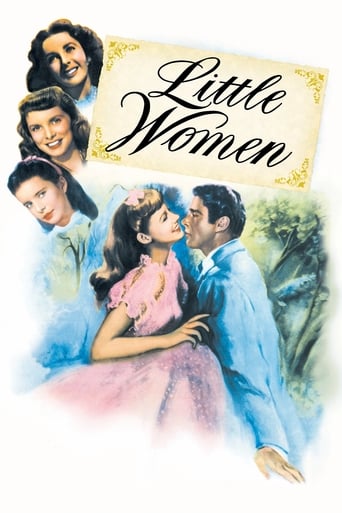
When the film goes to the cinema, the production has two options: either it is strictly faithful to what is written there, or it makes a nicer version, with some new things, for those who want to enjoy it. This film is not faithful to the book, it changes the sisters' ages and makes a number of small changes. None of this reduces the quality of the film, which is highly recommended and well done. The direction does a remarkable job, the cinematography, with bright and vivid colors, is elegant and magnificent, the sets and costumes are well suited to what is expected of them (they deserved the Oscar for Best Art Direction) and the reconstruction of the period is quite satisfactory. The soundtrack is based on a small set of good songs that are worth listening to.
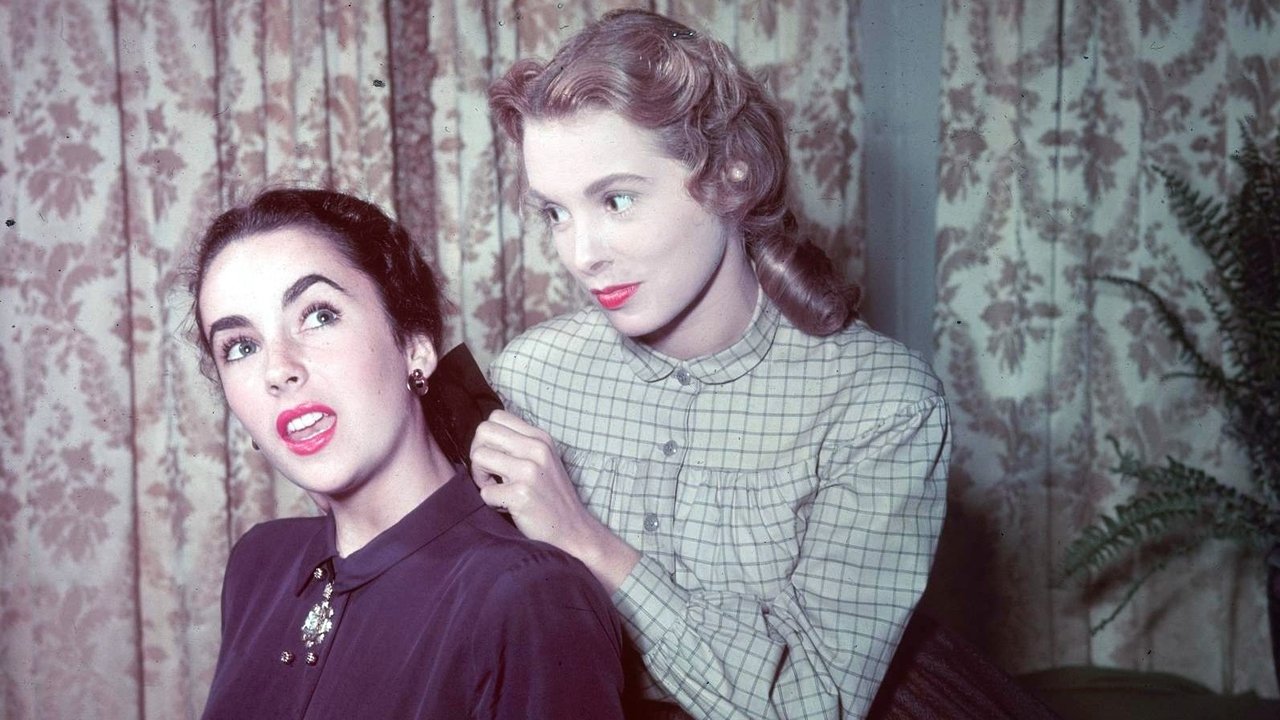
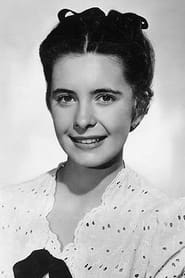
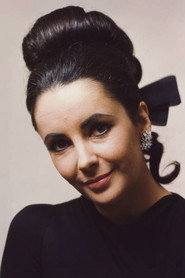
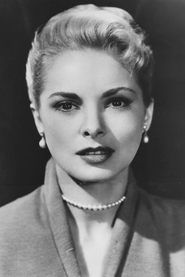
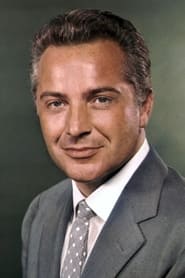
Perhaps it is in the field of interpretation that this film deserves greater attention, because it is a reunion of magnificent actresses at their highest level: it was incredible to see the talent that already existed in the young Elizabeth Tailor, who steals our attention whenever she is near, and Janet Leigh is not far behind with a courageous interpretation of a character full of strength. Little Margaret O’Brien is totally convincing in her character’s fragility and shyness and June Allyson ends up being the least striking of the four “sisters”. The secondary cast features equally consistent appearances by C. Aubrey Smith and Mary Astor. I also liked Lucille Watson, she is excellent as the vixen. I think the least happy ones ended up being Peter Lawford, very sugary, and Rossano Brazzi, who seems to me like a casting error and a weak heartthrob.